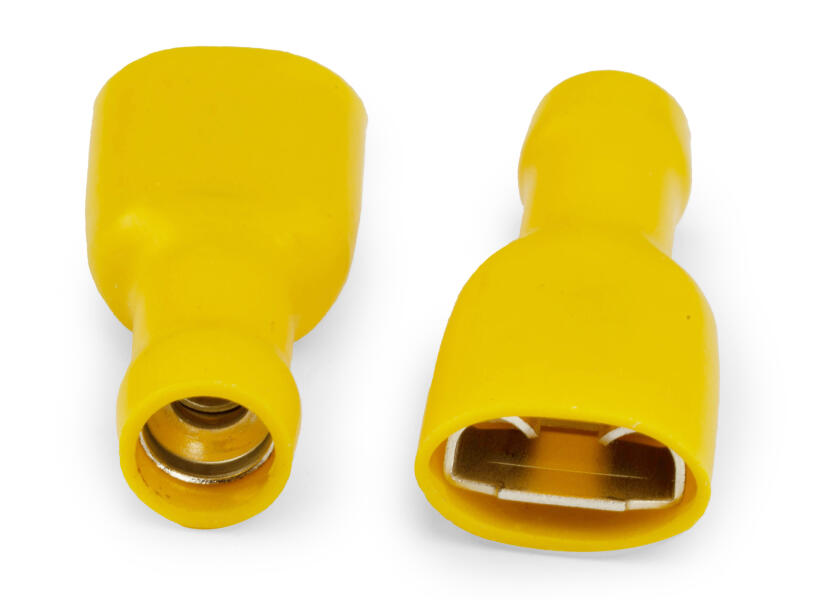
Spade Connectors
Spade Connectors are widely used in electrical systems where secure wire termination, fast servicing, and dependable contact are important. Although they look simple, they can make a major difference in how safely and efficiently a circuit performs. A wire connected directly under a screw may loosen, spread, or break over time, especially in equipment exposed to movement, heat, or regular maintenance. Spade Connectors help reduce these problems by giving the wire a strong, shaped contact point.
Their forked end fits around a screw or stud terminal, while the wire is fixed inside the crimp barrel. This design creates a cleaner and more stable connection than a loose conductor end. When chosen correctly, Spade Connectors can support better current flow, easier repairs, and longer service life in many electrical applications.
Why Wiring Failures Often Start at the Terminal
Many electrical problems begin at the point where the wire meets the terminal. If that connection is weak, the entire circuit can become unreliable. Loose contact may create resistance, heat, flickering power, or sudden equipment shutdown.
Common causes of terminal failure include:
- Poorly tightened screws
- Exposed wire strands
- Incorrect wire size
- Weak crimping
- Corrosion around the contact area
- Vibration from motors or vehicles
- Heat from overloaded circuits
- Repeated removal and reconnection
Spade Connectors help control several of these issues by keeping the conductor secure and giving the terminal a flat, consistent contact surface.
How Spade Connectors Improve Electrical Contact
A good electrical connection needs both pressure and surface contact. Spade Connectors provide a metal fork that sits neatly under the screw head. When the screw is tightened, pressure spreads across the connector surface instead of pressing directly onto loose wire strands.
This helps create:
- More even contact pressure
- Lower risk of conductor damage
- Better wire positioning
- Reduced movement under the terminal screw
- Cleaner connection points
- Easier visual inspection
The result is a connection that is easier to manage and less likely to fail due to loose or messy wiring.
Spade Connectors for Maintenance Friendly Systems
One of the biggest advantages of Spade Connectors is easy servicing. In many machines, panels, and appliances, wires must be disconnected for testing or part replacement. Removing bare wire from a terminal can damage the conductor, especially if it happens repeatedly.
Spade Connectors allow faster removal because the screw only needs to be loosened. The connector can slide out without cutting the wire or reshaping the conductor. This makes them useful in systems where technicians need quick access.
They are commonly helpful in:
- Control panels with replaceable relays
- Switches and indicator lights
- Automotive wiring looms
- Appliance service points
- HVAC control units
- Test benches and repair setups
- Low voltage electrical assemblies
This service friendly design helps reduce downtime and keeps wiring cleaner after repeated maintenance.
Choosing Between Insulated and Non Insulated Spade Connectors
Insulated Spade Connectors
Insulated Spade Connectors are suitable for general electrical work where extra protection and easy handling are needed. The sleeve covers the crimp area and helps reduce accidental contact. It also supports quicker identification of wire size ranges by colour.
They are useful for:
- Appliance repairs
- General panel wiring
- Automotive accessories
- Low voltage circuits
- Workshop maintenance tasks
Non Insulated Spade Connectors
Non insulated Spade Connectors are often selected where space is limited or where separate protection will be added after crimping. They can be covered with heat shrink tubing, protective boots, or custom insulation depending on the installation.
They are useful for:
- Compact terminal spaces
- High temperature areas with special sleeving
- Custom cable assemblies
- Professional wiring harnesses
- Applications needing a lower profile connection
The best option depends on safety needs, available space, and the environment around the terminal.
Key Factors Before Installing Spade Connectors
Choosing the wrong connector can cause the same problems the connector is meant to prevent. Before installation, the connector should match the wire, screw, and circuit conditions.
Check these points before use:
- Wire gauge compatibility
- Fork width for the screw or stud
- Current rating of the terminal
- Voltage and insulation requirements
- Heat exposure near the connection
- Moisture or chemical exposure
- Vibration level in the equipment
- Space around nearby terminals
- Need for heat shrink or extra covering
A correct fit should feel firm and stable. The connector should not be forced under the screw, and the fork should not be too loose around the terminal.
Proper Crimping for Long Term Reliability
Crimping is the most important part of installing Spade Connectors. A weak crimp can cause heat, voltage drop, or wire pullout. A strong crimp keeps the conductor secure and supports consistent electrical contact.
Good crimping practice includes:
- Use a proper crimping tool, not standard pliers
- Strip the wire to the correct length
- Insert the conductor fully into the barrel
- Keep insulation out of the conductor crimp area
- Compress the barrel evenly
- Check that the wire does not move after crimping
- Replace the connector if the crimp looks damaged
A well crimped connector should hold the wire firmly without cutting into the conductor.
Signs a Spade Connector Needs Replacement
Spade Connectors should be inspected during maintenance, especially in equipment exposed to heat, vibration, or moisture. A damaged terminal can affect the performance of the whole circuit.
Replace the connector if you notice:
- Burn marks or discolouration
- Loose grip on the wire
- Bent or cracked fork ends
- Corrosion on the metal surface
- Damaged insulation
- Signs of overheating
- Poor fit under the terminal screw
Replacing a worn connector early can help prevent larger electrical faults and unexpected equipment failure.
Final Thoughts
Spade Connectors are practical components that help improve wire termination, reduce connection problems, and support easier maintenance. Their fork shaped end makes them simple to install and remove, while the crimp barrel keeps the conductor organised and secure.
For best performance, always select Spade Connectors based on wire size, screw size, current rating, insulation needs, and working environment. With proper crimping and regular inspection, they can help create safer, cleaner, and more reliable electrical connections.