Invisible Braces
A straight and healthy smile can make a significant difference in a person’s appearance, confidence, and oral health. However, many people hesitate to undergo orthodontic treatment because they do not want to wear traditional metal braces. Visible brackets and wires can affect their appearance and make them feel uncomfortable in professional and social situations. Fortunately, modern orthodontics offers an alternative in the form of invisible braces, which provide a more discreet approach to teeth straightening.
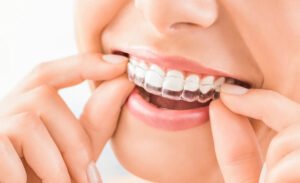
Invisible braces, commonly known as clear aligners, are designed to gradually move teeth into their desired positions using transparent, removable trays. They are custom-made according to an individual’s dental structure and treatment requirements. With advancements in orthodontic technology, clear aligners have become a popular option among teenagers and adults seeking a convenient way to improve their smiles.
Understanding their advantages can help individuals decide whether this treatment is suitable for their dental needs. Here are the top 10 benefits of choosing invisible braces for teeth straightening.
1. Discreet and Nearly Invisible Appearance
One of the biggest advantages of invisible braces is their transparent appearance. Unlike traditional metal braces, which use noticeable brackets and wires, clear aligners are made from transparent materials that fit closely over the teeth.
This makes them less noticeable when speaking, smiling, or interacting with others. People who work in professional environments or frequently attend social events may appreciate this discreet treatment option. It allows them to improve their smiles without drawing unnecessary attention to their orthodontic treatment.
2. Improved Comfort During Treatment
Traditional braces can sometimes cause irritation because their metal brackets and wires come into contact with the inside of the cheeks and lips. Invisible braces offer a smoother alternative because their trays are custom-designed to fit the patient’s teeth.
Although some pressure or temporary soreness is normal when switching to a new aligner, many patients find clear aligners more comfortable than conventional braces. Their smooth edges also reduce the likelihood of soft tissue irritation.
3. Removable for Better Convenience
Another important benefit of invisible braces is that they can be removed when necessary. Unlike fixed metal braces, clear aligners allow patients to take their trays out while eating, drinking anything other than water, brushing, and flossing.
This flexibility makes everyday activities easier to manage. Patients can continue enjoying their favourite meals without worrying about food getting trapped between orthodontic brackets. However, aligners should generally be worn for 20 to 22 hours daily to maintain treatment progress, unless the orthodontist recommends otherwise.
4. Easier Oral Hygiene Maintenance
Maintaining proper oral hygiene can become challenging when wearing traditional braces. Food particles may accumulate around brackets and wires, increasing the risk of plaque buildup, tooth decay, and gum inflammation.
Invisible braces make cleaning teeth more straightforward because the trays can be removed before brushing and flossing. Patients can follow their regular oral hygiene routines without working around fixed orthodontic components.
It is still important to clean the aligners regularly and brush and floss thoroughly before putting them back in. Good hygiene habits help protect teeth and gums throughout orthodontic treatment.
5. Suitable for Many Common Dental Alignment Issues
Invisible braces can address several common orthodontic concerns, depending on their severity and complexity. These may include crowded teeth, gaps between teeth, mild to moderate bite problems, and certain alignment irregularities.
By applying controlled pressure, each aligner gradually moves selected teeth towards their planned positions. Patients receive a series of trays, with each set designed to make specific adjustments.
However, clear aligners are not suitable for every orthodontic condition. Complex bite problems and significant tooth movements may require traditional braces or other treatment approaches. A professional assessment is necessary to determine the most appropriate option.
6. Fewer Dietary Restrictions
Food restrictions are a common inconvenience associated with traditional braces. Hard, sticky, and chewy foods can damage brackets or become trapped between wires, making certain meals difficult to enjoy.
Invisible braces eliminate many of these concerns because patients remove their aligners before eating. This means they can generally continue enjoying their usual foods without worrying about damaging fixed orthodontic components.
Nevertheless, patients should avoid eating or drinking sugary and coloured beverages while wearing their aligners. Cleaning the teeth before reinserting the trays also helps reduce the risk of dental problems.
7. Predictable Treatment Planning
Modern orthodontic technology allows dentists to create digital treatment plans for invisible braces. Using digital scans or other dental records, orthodontic professionals can assess tooth positions and plan the movements required to achieve the desired alignment.
Patients may also be able to view a digital representation of the expected treatment progression before beginning. This helps them understand how their teeth are intended to move throughout the process.
Although digital planning provides useful guidance, actual treatment outcomes can vary depending on individual dental conditions, aligner compliance, and biological responses.
8. Convenient Dental Appointments
Invisible braces may require fewer in-person adjustments compared with traditional braces. Since patients receive a planned series of custom aligners, they can often change trays according to their orthodontist’s instructions without needing frequent wire adjustments.
Dental appointments are still important for monitoring progress, checking oral health, and making any necessary modifications to the treatment plan.
This approach can be particularly convenient for individuals with demanding work schedules, academic responsibilities, or busy lifestyles.
9. Supports Better Confidence During Treatment
Many individuals feel self-conscious about wearing visible braces, especially when interacting with colleagues, friends, or new people. Invisible braces offer a more subtle alternative that can help reduce these concerns.
Because the transparent trays are less noticeable, patients may feel more comfortable smiling, speaking, and participating in everyday activities while undergoing orthodontic treatment.
The opportunity to improve dental alignment without significantly changing their appearance can make the orthodontic journey more appealing to adults and teenagers.
10. Helps Improve Long-Term Dental Function and Alignment
Properly aligned teeth can contribute to better dental function and make certain oral hygiene practices easier. Depending on the original alignment problem, orthodontic treatment may help improve how the upper and lower teeth meet when biting and chewing.
Correcting crowding can also make some areas easier to clean, potentially supporting better oral hygiene and gum health.
However, invisible braces do not independently prevent every dental problem. Long-term results depend on good oral care, regular dental check-ups, and wearing retainers as recommended after treatment. Retainers are essential for maintaining the achieved tooth positions and reducing the risk of relapse.
Conclusion
Invisible braces have transformed modern orthodontic treatment by offering a discreet, comfortable, and convenient alternative to traditional metal braces. From easier oral hygiene and fewer dietary restrictions to improved confidence and digital treatment planning, they provide several advantages for individuals who want to achieve a straighter smile.
However, selecting the right orthodontic treatment requires an assessment of individual dental conditions, alignment concerns, and treatment expectations. Patients should consult an experienced dental professional to determine whether clear aligners are suitable for their needs.
At Dr Hasan Odeh, patients can explore modern orthodontic solutions and receive professional guidance based on their dental requirements. Choosing Invisible Braces in Dubai can be a practical step towards achieving a healthier, more aligned smile while maintaining comfort and confidence throughout the treatment journey.