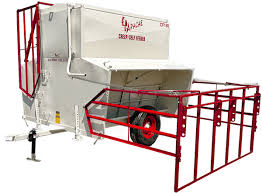
cattle cube feeder is an important farming tool used to feed cattle in a controlled, efficient, and organized way. It is designed to distribute cube shaped feed or pellet feed to livestock so that animals receive proper nutrition without waste. Many farmers use this equipment to improve feeding routines and save time.
For families involved in livestock farming, understanding how a cattle cube feeder works can help improve animal health and farm productivity. Instead of feeding animals manually, which can take a lot of effort and time, this machine makes the process faster and more accurate.
In this guide, we will explain everything about cattle cube feeder in simple English so that even beginners and young learners can understand how it works and why it is useful.
Understanding a cattle cube feeder and its role in livestock feeding
cattle cube feeder is a feeding system designed specifically for cattle. It delivers measured amounts of cube or pellet feed to animals, ensuring they receive balanced nutrition every day.
This system is widely used in modern farming because it helps improve efficiency and reduces feed waste.
What is a cattle cube feeder?
A cattle cube feeder is a device or machine that:
- Stores cube or pellet feed
- Dispenses feed in controlled amounts
- Ensures equal feeding for livestock
- Reduces manual feeding work
Why farmers use cattle cube feeders
Farmers prefer this equipment because it:
- Saves time
- Reduces labor
- Improves feeding accuracy
- Prevents feed waste
Basic structure of a cattle cube feeder
A typical cattle cube feeder includes:
- Storage hopper for feed
- Dispensing mechanism
- Control system
- Feeding trough or outlet
How it supports livestock nutrition
Proper feeding ensures that cattle get:
- Balanced nutrients
- Enough energy for growth
- Better health and productivity
Importance in modern farming
Modern farming depends on machines like cattle cube feeder because they:
- Improve efficiency
- Support large herds
- Reduce feeding errors
Why feed control matters
Controlled feeding helps prevent:
- Overfeeding
- Underfeeding
- Uneven nutrition
How a cattle cube feeder works in real farming environments
cattle cube feeder works by storing feed and releasing it in controlled portions to livestock. The process is simple but very effective in improving feeding systems.
Step 1: Loading the feed
Farmers load cube or pellet feed into the feeder’s storage container.
This feed may include:
- Nutrient cubes
- Protein pellets
- Mineral supplements
Step 2: Storage inside the feeder
The feed is stored safely in a hopper.
This ensures:
- Protection from moisture
- No contamination
- Easy access when needed
Step 3: Feeding mechanism activation
The machine is activated manually or automatically.
It starts preparing feed distribution.
Step 4: Controlled feed release
The feeder releases feed in measured amounts.
This ensures:
- Equal distribution
- No waste
- Proper portion control
Step 5: Animals consume feed
Cattle eat the feed directly from feeding areas or troughs.
Why controlled feeding is important
Controlled feeding ensures:
- Better digestion
- Healthier animals
- Reduced feed loss
Role of automation in feeding
Some modern feeders are automated.
They can:
- Dispense feed at set times
- Control feed quantity
- Reduce human involvement
How timing improves feeding efficiency
Proper timing helps:
- Maintain feeding schedules
- Improve animal routine
- Increase productivity
Importance of consistency
Consistent feeding leads to:
- Stable growth
- Better milk production
- Stronger livestock health
How it reduces manual effort
Farmers no longer need to:
- Carry feed manually
- Measure portions repeatedly
- Feed animals individually
Benefits, types, and maintenance of cattle cube feeder systems
cattle cube feeder systems provide many advantages for farmers and livestock owners. They improve feeding efficiency, reduce waste, and support better animal care.
Key benefits of cattle cube feeder
There are many important benefits of using this system.
Improved feeding efficiency
Feed is distributed quickly and evenly.
Reduced labor requirements
Fewer workers are needed for feeding tasks.
Better feed management
Farmers can control how much feed is used daily.
Reduced feed waste
Controlled dispensing prevents unnecessary loss.
Healthier cattle
Proper feeding improves animal growth and strength.
Why cattle cube feeders save time
They save time because:
- Feeding is automated or semi automated
- Large herds can be fed quickly
- No manual measurement is needed
Types of cattle cube feeders
Different types are used depending on farm size and needs.
Manual cattle cube feeder
Requires human control for dispensing feed.
Benefits:
- Low cost
- Simple to use
- Easy maintenance
Automatic cattle cube feeder
Works using timers or sensors.
Benefits:
- Fully automated feeding
- Accurate portion control
- Time saving
Portable cattle cube feeder
Can be moved easily around farms.
Benefits:
- Flexible use
- Suitable for different feeding areas
Large capacity feeders
Designed for big farms with many cattle.
Benefits:
- High storage capacity
- Suitable for commercial farming
How it improves farm productivity
Better feeding systems lead to:
- Faster animal growth
- Higher milk production
- Improved farm output
Importance of maintenance
Regular maintenance ensures long term performance.
Cleaning the feeder
Prevents contamination and blockage.
Checking dispensing parts
Ensures proper feed flow.
Inspecting storage area
Keeps feed safe and dry.
Common mistakes to avoid
Farmers should avoid:
- Overloading the feeder
- Ignoring cleaning routines
- Using low quality feed
- Improper installation
Safety tips for using cattle cube feeders
To ensure safety:
- Keep equipment stable
- Avoid overfilling
- Check mechanical parts regularly
Economic benefits for farmers
Cattle cube feeders help reduce:
- Labor costs
- Feed waste
- Operational delays
Role in sustainable farming
These systems support sustainability by:
- Reducing waste
- Improving efficiency
- Using resources wisely
Why training is important
Farm workers should understand:
- How to operate feeders
- How to maintain equipment
- How to adjust feed settings
Future of cattle feeding systems
Modern technology may bring:
- Smart feeding systems
- Sensor based feeding control
- AI powered nutrition management
Final thoughts
cattle cube feeder is a valuable tool in modern livestock farming. It simplifies feeding, improves efficiency, and ensures cattle receive proper nutrition every day. For families and farmers, it reduces workload while improving animal health and productivity.