Why-Are-Hospitals-Becoming-Overcrowded
Hospitals play an essential role in providing medical care, emergency services, and treatment for people with different health conditions. However, many healthcare facilities are experiencing increasing pressure because of overcrowded emergency departments, long waiting times, limited hospital beds, and growing patient numbers. Hospital overcrowding has become a major healthcare challenge that affects patient experience, staff productivity, operational efficiency, and the overall quality of healthcare services.
The problem is not simply that too many people visit hospitals. It often reflects deeper issues within healthcare systems, including limited hospital capacity, unequal access to primary healthcare, population growth, staff shortages, and inefficient patient management processes. When hospitals cannot manage patient flow effectively, even facilities with adequate infrastructure can struggle to provide timely services.
Understanding why hospitals are becoming overcrowded is important for identifying practical solutions. By examining the major causes and challenges, healthcare administrators and policymakers can develop better strategies to improve hospital capacity, manage patient flow, and deliver more efficient healthcare services.
What Is Hospital Overcrowding?
Hospital overcrowding occurs when the number of patients requiring healthcare services exceeds a facility’s available resources and capacity. These resources include hospital beds, emergency department space, medical equipment, healthcare professionals, diagnostic facilities, and administrative support.
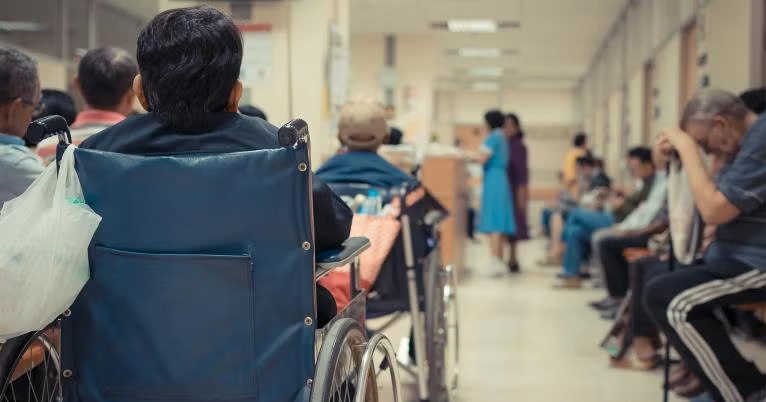
Overcrowding is particularly visible in emergency departments, where patients may wait several hours for assessment, treatment, or admission. However, the problem can extend to outpatient departments, inpatient wards, diagnostic laboratories, and other hospital services.
It is important to understand that overcrowding is not always caused by an increase in patient visits alone. Patients who are medically ready to leave but cannot be discharged because of delays in transportation, follow-up care, or available community services can also occupy beds needed by others.
As a result, hospital overcrowding is both a capacity problem and a patient-flow problem. Addressing it requires improvements across the entire healthcare system rather than focusing only on expanding hospital buildings.
Major Causes of Hospital Overcrowding
Hospital overcrowding is rarely the result of one problem. It usually develops when increasing healthcare demand combines with limited resources and inefficient hospital operations. The following factors are among the most common causes.
1. Population Growth and Increasing Healthcare Demand
Population growth is one of the major reasons hospitals experience increasing patient volumes. As populations expand, more people require medical consultations, diagnostic tests, emergency treatment, surgeries, and inpatient care.
In densely populated cities, hospitals may struggle to accommodate the growing number of patients. Existing healthcare facilities often serve larger populations than they were originally designed to support.
Urbanization also contributes to this problem. People frequently move from smaller towns and rural areas to major cities because they expect better healthcare facilities. This creates additional pressure on already busy hospitals.
When healthcare infrastructure does not expand at the same pace as population growth, overcrowding becomes increasingly difficult to manage.
2. Limited Hospital Beds and Healthcare Infrastructure
A shortage of available hospital beds is another significant contributor to overcrowding. Patients who require admission may have to wait in emergency departments because inpatient wards are already operating at full capacity.
The problem becomes more complicated when hospitals lack sufficient intensive care beds, operating rooms, recovery areas, and specialized treatment facilities.
Even when hospital buildings have enough physical space, limited equipment and insufficient staffing can prevent facilities from using their full capacity.
For example, a hospital may have several inpatient beds, but some cannot be used because there are not enough qualified staff members to provide appropriate care.
Expanding healthcare infrastructure requires long-term investment in buildings, equipment, technology, and human resources. Without these improvements, hospitals may continue experiencing capacity-related challenges.
3. Limited Access to Primary Healthcare Services
Not every health condition requires treatment in a hospital emergency department. However, when people cannot easily access primary healthcare services, they may visit hospitals for conditions that could otherwise be managed through outpatient facilities.
Limited access to nearby clinics, community healthcare centers, and affordable consultations can increase unnecessary hospital visits.
This situation is particularly challenging in areas where healthcare facilities are unevenly distributed. People living in underserved communities may depend on large public hospitals because alternative healthcare options are unavailable or difficult to reach.
As a result, emergency departments receive patients with different levels of medical urgency. This increases waiting times and makes it harder for hospital staff to prioritize patients who need immediate attention.
4. Shortage of Healthcare Professionals
Hospitals require sufficient numbers of nurses, healthcare professionals, technicians, administrative employees, and support staff to manage patient demand.
However, staffing shortages can reduce the number of patients a hospital can safely accommodate. When fewer employees are available, routine activities such as patient assessment, medication administration, diagnostic testing, documentation, and discharge procedures may take longer.
Existing employees may also experience increased workloads, fatigue, and professional burnout.
These conditions can slow down hospital operations and reduce the efficiency of healthcare services.
The problem is not limited to the total number of employees. Poor staff scheduling and uneven distribution of available personnel between departments can also contribute to overcrowding.
5. Increasing Chronic Diseases and Aging Populations
The growing number of people living with chronic health conditions creates additional demand for hospital services.
Conditions such as diabetes, cardiovascular diseases, respiratory disorders, and kidney diseases often require continuous monitoring, diagnostic investigations, medication management, and occasional hospitalization.
Older adults may also require more frequent healthcare visits because they are more likely to experience multiple health conditions and complex medical needs.
When outpatient follow-up services and long-term care facilities are insufficient, patients may depend more heavily on hospitals.
Consequently, healthcare facilities must manage both emergency cases and the increasing demand for ongoing treatment.
6. Delayed Patient Discharge and Poor Bed Management
Hospital overcrowding does not only occur because new patients arrive. It can also happen when existing patients cannot leave the hospital on time.
Delayed discharges may result from incomplete documentation, pending diagnostic results, unavailable transportation, delayed financial clearance, or difficulties arranging follow-up care.
When patients remain hospitalized longer than medically necessary, beds cannot be made available for newly admitted patients.
This creates a chain reaction. Emergency patients wait longer for admission, inpatient departments experience increased pressure, and hospital staff struggle to manage incoming cases.
Poor coordination between departments and a lack of real-time bed availability information can make this situation worse.
Research on emergency department crowding identifies inpatient boarding and delayed patient movement as important contributors to hospital-wide congestion.
DOI+1
7. Seasonal Illnesses and Unexpected Health Emergencies
Hospitals often experience sudden increases in patient numbers during certain seasons and public health emergencies.
For example, influenza outbreaks, dengue fever, respiratory infections, and extreme weather conditions can increase demand for emergency consultations and inpatient treatment.
Unexpected accidents, natural disasters, and disease outbreaks can also overwhelm healthcare facilities within a short period.
Hospitals that operate close to their maximum capacity may have limited flexibility to accommodate sudden increases in patient demand.
Without emergency preparedness plans, sufficient staffing arrangements, and additional treatment capacity, managing these situations becomes particularly difficult.
Major Challenges Created by Hospital Overcrowding
Hospital overcrowding affects more than waiting areas and emergency departments. It can create serious operational difficulties and negatively influence the experience of patients and healthcare employees.
1. Longer Patient Waiting Times
One of the most noticeable effects of hospital overcrowding is prolonged waiting times.
Patients may wait several hours for registration, initial assessment, diagnostic investigations, treatment, or inpatient admission.
Long waiting periods can be particularly concerning for people experiencing serious health conditions because delays may affect the timeliness of appropriate medical attention.
They can also create frustration among patients and their families, especially when communication about expected waiting times is limited.
2. Increased Risk to Patient Safety
Overcrowded hospitals may struggle to maintain the same level of attention and monitoring for every patient.
When healthcare employees manage excessive workloads, important tasks such as reviewing patient records, communicating treatment information, monitoring progress, and coordinating care may become more difficult.
Crowded treatment areas can also increase the possibility of communication errors, documentation problems, and delays in identifying changes in a patient’s condition.
Maintaining appropriate staffing, clinical supervision, and patient safety procedures is essential even during periods of high demand.
3. Increased Pressure on Healthcare Staff
Hospital employees working in overcrowded environments often experience considerable physical and mental pressure.
They may have to manage more patients, complete additional documentation, respond to frequent requests, and coordinate with multiple departments within limited time.
Continuous workload pressure can contribute to fatigue, burnout, reduced job satisfaction, and employee turnover.
When experienced employees leave, hospitals may face additional staffing shortages, making existing operational problems even more difficult to resolve.
4. Reduced Quality of Healthcare Services
Healthcare quality depends on timely treatment, accurate information, effective communication, and proper coordination between departments.
However, overcrowding can interfere with these essential processes.
For example, delays in laboratory investigations or diagnostic imaging may affect treatment decisions. Similarly, limited inpatient capacity can delay procedures and interrupt planned treatment schedules.
Hospitals may also find it difficult to provide patients with sufficient information about their treatment progress.
These challenges can reduce patient satisfaction and weaken confidence in healthcare services.
5. Financial and Operational Pressure
Hospital overcrowding can increase operational costs and create financial challenges.
Facilities may need additional staff, medical supplies, equipment, temporary treatment areas, and emergency resources to manage higher patient volumes.
Longer hospital stays can also increase expenses related to accommodation, medication, nursing care, and other services.
At the same time, inefficient resource utilization can reduce the number of patients hospitals can effectively serve.
Without proper planning and resource management, overcrowding can affect both the financial sustainability and operational performance of healthcare facilities.
Research reviews have associated emergency department crowding with treatment delays, increased costs, and poorer patient experiences.
PubMed Central (PMC)+1
How Can Hospitals Reduce Overcrowding?
Reducing hospital overcrowding requires coordinated improvements in healthcare infrastructure, patient management, staffing, and operational planning. Simply increasing the number of hospital beds may not solve the problem if patient movement and administrative processes remain inefficient.
The following strategies can help healthcare facilities manage patient volumes more effectively.
1. Strengthen Primary Healthcare Services
Improving access to primary healthcare can reduce unnecessary pressure on hospital emergency departments.
Community clinics, outpatient facilities, and accessible consultation services can help patients receive appropriate care without depending on large hospitals for every health concern.
Better referral systems can also ensure that patients reach the most suitable healthcare facility according to their needs.
2. Improve Patient Flow Management
Hospitals should establish efficient processes for patient registration, assessment, admission, treatment, transfer, and discharge.
Clear departmental responsibilities and better coordination can reduce unnecessary delays.
Healthcare administrators should regularly monitor waiting times, bed occupancy, patient admission rates, and discharge performance to identify operational problems.
3. Use Hospital Management Software
Technology can help hospitals improve operational visibility and manage increasing patient volumes.
A comprehensive Hospital Management Software can support several important activities, including:
- Patient Registration: Maintains organized patient information and reduces repetitive administrative work.
- Bed Management: Provides better visibility into available, occupied, and reserved hospital beds.
- Appointment Management: Helps organize outpatient visits and manage patient schedules.
- Electronic Medical Records: Makes patient information easier to access across authorized departments.
- Discharge Management: Supports documentation and coordination during the patient discharge process.
- Reporting and Analytics: Helps administrators monitor patient volumes, resource utilization, and operational performance.
When these processes are properly integrated, hospital administrators can identify bottlenecks, improve coordination, and make more informed resource allocation decisions.
However, software alone cannot eliminate overcrowding. Effective results require appropriate staffing, reliable operational procedures, and consistent implementation.
4. Improve Workforce Planning
Hospitals should regularly evaluate staffing requirements according to patient volumes, departmental workloads, and seasonal demand.
Better shift scheduling, appropriate employee distribution, staff training, and workforce development can help facilities maintain operational efficiency.
Providing supportive working conditions is equally important for reducing burnout and retaining experienced employees.
5. Develop Better Discharge and Referral Systems
Hospitals should establish clear discharge procedures to prevent avoidable delays.
Coordinating diagnostic results, discharge documentation, medication instructions, transportation, and follow-up arrangements can help patients complete the discharge process more efficiently.
Similarly, effective referral arrangements with other healthcare facilities can help distribute patient demand across the healthcare system.
Conclusion
Hospital overcrowding is a growing healthcare challenge caused by multiple factors, including population growth, limited hospital infrastructure, staffing shortages, increasing chronic diseases, inadequate primary healthcare access, and inefficient patient management processes.
Its consequences extend beyond long waiting times. Overcrowding can affect patient safety, healthcare quality, employee productivity, and the financial performance of hospitals.
Addressing this problem requires a comprehensive approach that combines infrastructure development, improved workforce planning, stronger primary healthcare services, efficient discharge procedures, and better patient flow management.
Technology also has an important role in improving hospital operations. Implementing a reliable Hospital Management System can help healthcare facilities organize patient information, monitor bed availability, coordinate departments, and make better operational decisions. Healthcare technology solutions from Instacare.com.pk can support hospitals in improving administrative efficiency and managing their daily operations through integrated digital systems.
Ultimately, reducing hospital overcrowding requires more than accommodating additional patients. It requires building a healthcare system that can manage available resources effectively while delivering timely, safe, and organized patient care.