Unexpected tree damage can create serious concerns for homeowners and property managers. Strong winds, heavy rain, storms, lightning, and other events can cause branches to break, trunks to split, or entire trees to become unstable. When damaged trees threaten buildings, driveways, walkways, or outdoor areas, prompt professional attention can help manage the situation.
A professional emergency tree cutting service can provide a practical response when immediate tree-related problems arise. Trees by Forrest evaluates the condition of damaged trees and the surrounding property before determining the appropriate approach. Careful planning is especially important when branches or trunks are unstable and positioned near valuable structures.
When Emergency Tree Cutting May Be Needed
Tree emergencies can happen without warning. A healthy-looking tree may lose a large branch during severe weather, while an older or damaged tree can suddenly lean or split. These situations may affect access to the property and create concerns for people, vehicles, and nearby structures.
Professional emergency tree cutting may be needed when a tree or large branch has become unstable or is creating an immediate obstruction. The specific response depends on the condition and location of the damaged material. A professional assessment can help determine whether selective cutting or more extensive tree removal is appropriate.
Common Causes of Tree Emergencies
Severe weather is one of the most common causes of sudden tree damage. High winds can place significant pressure on branches, while heavy rain can soften the soil around the roots. Lightning and other weather events may also cause damage that affects a tree’s structure.
Tree problems can also develop because of age, decay, previous damage, or changing soil conditions. In some cases, warning signs may appear before a major failure, while other problems can develop unexpectedly. Regular observation can help homeowners notice visible changes in their trees.
- Strong winds that break or weaken large branches.
- Heavy rain that affects soil and root stability.
- Lightning damage to trunks and major limbs.
- Split or cracked branches that become unstable.
- Trees leaning toward buildings or access areas.
Identifying a Potentially Hazardous Tree
Some signs of tree damage are easy to notice from the ground. Large broken branches, deep cracks, unusual leaning, and exposed roots can all indicate that a tree needs professional attention. Hanging limbs may also become dangerous if they are positioned above frequently used areas.
Other problems may be more difficult to identify. Damage high in the canopy or structural weaknesses inside a tree may not be clearly visible to a homeowner. A professional evaluation can provide a better understanding of the tree’s condition and help determine what action should be taken.
Why Prompt Professional Attention Matters
Damaged trees can change quickly, especially when additional wind or rain occurs. A branch that appears stable may shift, or a leaning tree may become more unstable as ground conditions change. Addressing serious concerns promptly can help prevent the situation from becoming more complicated.
A qualified emergency tree cutting provider can assess the work area and identify the most immediate concerns. Professional attention is particularly valuable when a tree is close to a home, garage, vehicle, fence, or other important property feature.
Protecting Your Home and Property
Trees often grow close to structures and become part of the property’s landscape over many years. When one becomes damaged, its position can create additional challenges. A broken limb resting on a roof or a tree leaning toward a garage requires a careful approach.
Trees by Forrest considers nearby structures and landscape features when planning emergency work. The size of the tree, direction of the damage, available access, and surrounding obstacles can all influence how the work is organized. This helps create a more controlled process for managing hazardous tree material.
Why Damaged Trees Should Not Be Handled Casually
Cutting a damaged tree can be very different from routine pruning. Broken branches may be under tension, partially fallen trees can shift unexpectedly, and weakened trunks may not respond predictably during cutting. These conditions can make do-it-yourself attempts particularly challenging.
Professional tree care teams have experience working with different types of damaged tree conditions. Appropriate equipment and careful planning can help manage large branches and trunks in a more controlled way. When significant damage is involved, seeking professional assistance is a practical choice.
What to Do Before Professional Help Arrives
Property owners can take simple precautions while waiting for professional tree care. Keeping people and pets away from the damaged area can help reduce unnecessary exposure to unstable branches or trees. It is also important to avoid standing beneath hanging limbs.
If a tree or branch is close to power lines, the situation requires additional caution. Homeowners should avoid touching trees or branches that may be in contact with electrical equipment. The area should remain clear until the appropriate professionals have addressed the situation.
- Keep children and pets away from damaged trees.
- Avoid walking beneath hanging or broken branches.
- Do not attempt to cut a severely damaged tree yourself.
- Keep vehicles away from unstable tree material.
- Stay clear of trees near damaged electrical lines.
The Importance of Professional Equipment
Emergency tree work can involve large and heavy sections of wood that require specialized equipment. The appropriate tools depend on the tree’s size, location, condition, and available access. Equipment may also be needed to safely manage branches located at significant heights.
Professional equipment is most effective when used by experienced operators who understand tree structure and work-site conditions. Trees by Forrest approaches each emergency based on the specific challenges of the property. This allows the work to be organized around the actual situation rather than using a one-size-fits-all method.
Managing Fallen and Leaning Trees
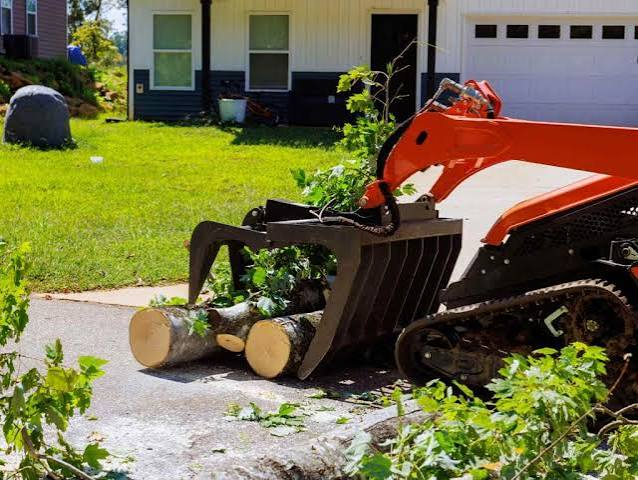
A fallen tree can block important areas of a property and leave behind substantial debris. Driveways, pathways, lawns, and outdoor spaces may become difficult to use until the tree material has been removed. Cleanup often requires careful cutting and handling of large sections.
Leaning trees can present a different concern because they may still be standing while their stability has changed. A professional emergency tree cutting assessment can help determine the condition of the tree and identify a suitable response. Each situation should be evaluated individually.
Preparing for Future Tree Emergencies
Although not every emergency can be prevented, regular tree care can help identify some concerns before they become urgent. Dead branches, visible cracks, unusual leaning, and declining sections of a tree may deserve professional evaluation. Addressing certain problems early can help reduce future maintenance challenges.
Homeowners can also inspect their trees after major weather events. Changes in the canopy, newly broken limbs, or disturbed soil around the roots can provide useful signs that further attention may be needed. Professional guidance can help clarify which concerns require action.
Choosing Trees by Forrest for Emergency Tree Care
When unexpected tree problems occur, property owners need a tree care provider that understands the importance of careful and timely service. Trees by Forrest provides practical solutions based on the condition of the tree and the surrounding property.
Whether severe weather has caused major branch damage or a tree has become unstable for another reason, professional evaluation can help identify the next step. The focus is on addressing the immediate concern while considering nearby structures, landscaping, and access areas.
Conclusion
Tree emergencies can happen suddenly and create concerns around homes and outdoor spaces. Broken branches, split trunks, fallen trees, and unusual leaning can all require professional attention. Understanding the condition of the tree is an important first step toward managing the situation safely.
Trees by Forrest provides dependable emergency tree cutting for urgent tree-related concerns. With professional assessment, appropriate equipment, and careful planning, damaged or unstable trees can be addressed while considering the unique conditions of the property and the safety of the surrounding area.