The mountains do not ask how strong you are; they simply invite you to take one more step. The journey to Everest Base Camp is challenging, but it is achievable for many people with good preparation and a steady pace. The trail takes you through beautiful Sherpa villages, forests, rocky paths, and high mountain valleys. Along the way, you will face long walking days and high altitude, but the incredible views make the effort worthwhile.
What Makes the Trek Challenging?
The Everest Base Camp trek is not a technical climb. You do not need to climb steep rock walls or use special climbing equipment. However, you need good stamina because you may walk for several hours each day.
The trail has many uphill and downhill sections. Some days can feel tiring, especially when you reach higher elevations. The changing weather and rocky paths can also make the journey harder. A positive attitude and a slow walking pace can help you manage these challenges.
High Altitude Is a Major Challenge
Altitude is one of the biggest concerns on the Everest Base Camp trek. The base camp sits at about 5,364 meters above sea level. At this height, the air contains less oxygen than at lower elevations.
Some trekkers may experience headaches, tiredness, dizziness, or loss of appetite. This is why acclimatization is very important. Rest days are usually included during the trek so your body has time to adjust to the higher altitude.
Walking slowly, drinking enough water, eating well, and listening to your body can help. If you feel seriously unwell, tell your guide immediately.
How Fit Do You Need to Be?
You do not need to be an athlete to complete the trek. However, you should have a reasonable level of fitness. Regular walking, hiking, stair climbing, and simple cardio exercises before the trek can help build your strength.
It is a good idea to start training several weeks before your trip. Begin with shorter walks and slowly increase the distance. Weekend hikes can also help your body get used to spending several hours on your feet.
The Trail Offers Great Rewards
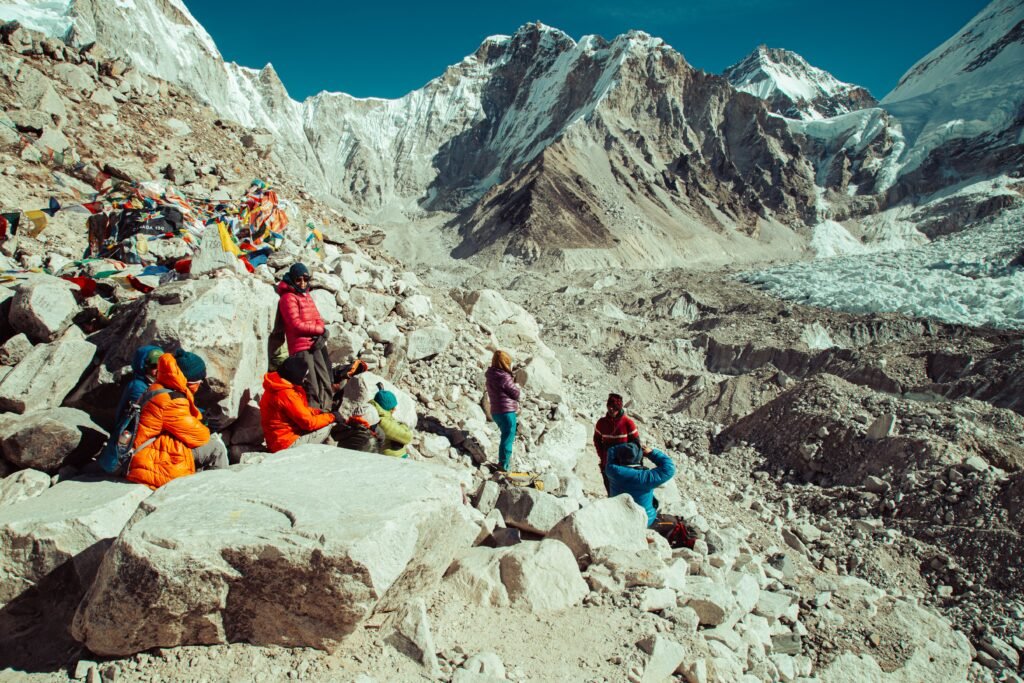
The difficulty of the trek comes with an amazing reward. You will see some of the most beautiful landscapes in the Himalayas. Snow-covered peaks, deep valleys, suspension bridges, glaciers, and traditional villages are part of the journey.
You will also pass through famous places such as Namche Bazaar and Tengboche. The views of Everest, Ama Dablam, Lhotse, and other peaks make the long walks feel special. Reaching Everest Base Camp is a proud moment that many trekkers remember for years.
Weather Can Add to the Challenge
Mountain weather can change quickly. Mornings may be clear and sunny, while clouds or cold winds can arrive later in the day. Higher areas can also become very cold, especially in the early morning and evening.
Good clothing is important. Pack warm layers, comfortable trekking shoes, gloves, a hat, sunglasses, sunscreen, and a waterproof jacket. Being prepared for changing weather makes the trek more comfortable.
Trek With Rai Holidays Adventure
Rai Holidays Adventure provides support to make the Everest Base Camp journey easier and more organized. Its services include experienced trekking guides, accommodation arrangements, transportation, permits, and trek planning.
Experienced guides can help you maintain a safe pace and provide advice during high-altitude sections. They can also help you understand the trail and local culture. With proper planning and support, you can enjoy the journey with greater confidence.
Is Everest Base Camp Trek Worth It?
Yes, if you are ready to prepare and take the journey at a steady pace. The Everest Base Camp trek can be physically demanding, but it does not require advanced climbing skills. Good fitness, proper acclimatization, suitable gear, and reliable guidance can make a big difference.
Every uphill step brings you closer to the world’s highest mountain. The challenge is real, but so is the reward. For many trekkers, standing at Everest Base Camp is a moment they will never forget.