Nose-Filler-Dubai
Nose filler injections have become an increasingly popular cosmetic treatment for people who want to improve the appearance of their nose without undergoing traditional surgery. This non-surgical procedure can help refine certain facial features, improve symmetry, and create a more balanced nasal profile. Unlike surgical rhinoplasty, nose fillers involve injecting dermal filler into specific areas of the nose to achieve temporary cosmetic improvements.
However, before considering this treatment, it is important to understand how it works, what results to expect, and what potential risks are involved. Whether you want to smooth a small bump or improve the appearance of your nasal bridge, learning about the procedure can help you make an informed decision.
Here are 10 important things to know before getting nose filler injections.
1. Understand What Nose Filler Injections Are
Nose filler injections are a non-surgical cosmetic procedure that uses injectable dermal fillers, commonly made from hyaluronic acid, to modify the appearance of the nose. The filler is carefully placed in specific areas to create a smoother or more balanced profile.
Unlike surgery, this treatment does not involve cutting, reshaping nasal bones, or removing cartilage. Instead, it uses carefully positioned filler to improve certain visible irregularities. The procedure is generally intended for people seeking subtle cosmetic enhancement rather than major structural changes.
2. Nose Fillers Cannot Make Your Nose Smaller
One common misconception about nose filler injections is that they can physically reduce the size of the nose. In reality, fillers add volume beneath the skin rather than remove tissue.
They can create the appearance of a straighter nasal bridge or improve the overall profile by balancing uneven areas. However, adding filler may make the nose slightly larger in terms of actual volume.
People who want significant size reduction, major structural correction, or changes to nasal breathing may need to explore surgical options instead.
3. Choose an Experienced Medical Professional
The nose is a particularly sensitive area for injectable treatments because it contains complex blood vessels. Choosing a qualified and experienced medical professional is therefore essential.
An experienced injector understands nasal anatomy, appropriate injection techniques, filler selection, and potential complications. They should also be able to assess whether you are a suitable candidate and explain the limitations of the procedure.
Before proceeding, review the practitioner’s qualifications, relevant experience, and approach to managing complications. Do not select a provider based solely on discounted prices or promotional offers.
4. Understand the Types of Fillers Used
Hyaluronic acid is one of the most commonly used materials for non-surgical nose enhancement. It is a substance naturally found in the body and is widely used in cosmetic dermal fillers.
Hyaluronic acid fillers are popular because they provide temporary volume and can often be dissolved using an enzyme called hyaluronidase when medically appropriate.
However, not every filler is suitable for nasal injections. Your practitioner should select an appropriate product based on your anatomy, treatment goals, and medical history.
5. Know What Happens During the Procedure
Before treatment, the practitioner typically examines your nose and discusses your desired results. Photographs may also be taken to evaluate facial proportions and plan the treatment.
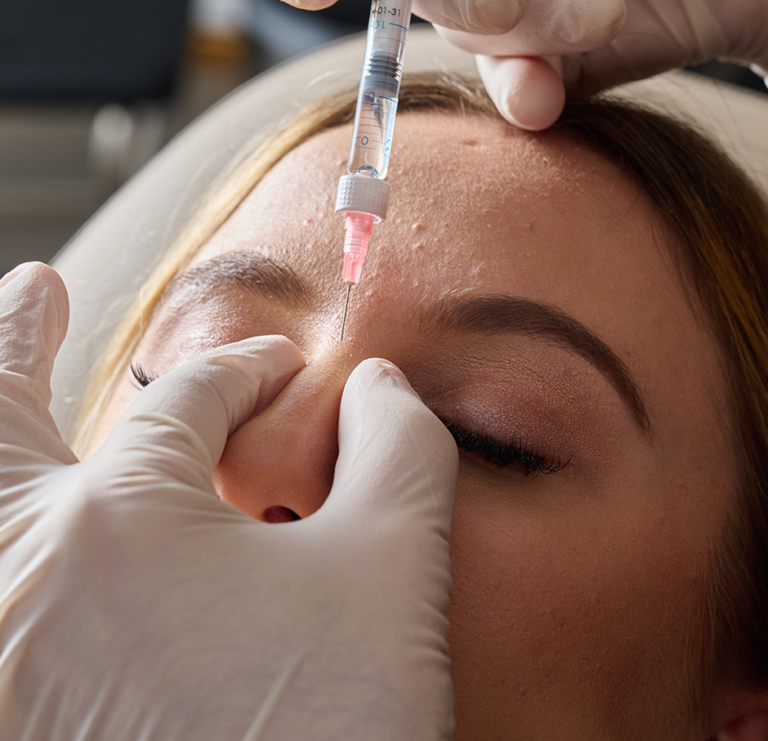
The treatment area is cleaned, and a numbing agent may be used to improve comfort. The practitioner then carefully injects small amounts of filler into selected areas.
The procedure itself is generally relatively quick, although the exact duration depends on the treatment plan. Patients can usually return to their normal daily activities afterward, following the practitioner’s instructions.
6. Results Are Usually Visible Immediately
One advantage of nose filler injections is that cosmetic changes can often be noticed immediately after treatment. The filler adds volume to targeted areas, helping create a smoother nasal contour.
However, the initial appearance may change as temporary swelling and minor bruising settle. Final results are better assessed after the early post-treatment effects have subsided.
It is important to maintain realistic expectations. Nose fillers can improve selected cosmetic concerns, but they cannot completely transform the nose or guarantee perfect symmetry.
7. Results Are Temporary
Unlike surgical rhinoplasty, nose filler injections do not provide permanent results. Hyaluronic acid fillers gradually break down as the body naturally metabolises them.
The duration of results varies depending on the filler product, injection technique, individual metabolism, and treatment area. Some patients may maintain visible improvements for several months or longer.
If you want to maintain the appearance, additional treatment may eventually be required. However, repeat injections should only be considered after a professional assessment of the remaining filler and overall nasal anatomy.
8. Be Aware of Possible Side Effects and Risks
Although nose filler injections are minimally invasive, they are not risk-free. Common temporary side effects may include redness, swelling, tenderness, bruising, and mild discomfort around the injection area.
More serious complications can also occur. These include vascular occlusion, where filler blocks a blood vessel, potentially causing tissue damage or skin necrosis. In rare cases, accidental blockage of blood vessels supplying the eye can lead to vision impairment or blindness.
These complications require immediate medical attention. Sudden severe pain, unusual skin discoloration, or any visual disturbance following treatment should be treated as an emergency.
Understanding these risks is essential before making a treatment decision.
9. Follow Proper Aftercare Instructions
Following professional aftercare instructions can help support recovery and reduce unnecessary irritation after nose filler injections.
Your practitioner may recommend avoiding pressure on the nose, strenuous exercise, excessive heat, and activities that could disturb the treated area for a specified period.
Avoid massaging or manipulating your nose unless your practitioner specifically instructs you to do so. You should also attend any recommended follow-up appointments to assess the results and identify potential complications.
If you notice unusual pain, skin colour changes, or vision symptoms, seek immediate medical care rather than waiting for a routine follow-up.
10. Understand Whether You Are a Suitable Candidate
Not everyone is an appropriate candidate for nose filler injections. People interested in this treatment should have realistic expectations and understand what non-surgical enhancement can achieve.
A consultation allows the practitioner to assess nasal anatomy, previous cosmetic procedures, medical history, and individual aesthetic goals.
People with certain medical conditions, active skin infections, previous filler complications, or other relevant health concerns may require additional assessment or may not be suitable for treatment.
It is also important to discuss previous rhinoplasty or nasal procedures because these can change the anatomy and potentially increase treatment complexity.
Conclusion
Nose filler injections can offer a temporary, non-surgical way to improve selected nasal irregularities and create a more balanced facial appearance. However, understanding the procedure, realistic results, treatment limitations, potential complications, and aftercare requirements is essential before making a decision.
Choosing an experienced medical professional and arranging a detailed consultation can help you understand whether this treatment is appropriate for your needs. At Dr Hussam Abbadi, patients can explore their aesthetic goals and receive professional guidance about available nose enhancement options.
If you are considering a Non-Surgical Nose Job in Dubai, make an informed decision by prioritising safety, appropriate treatment planning, and realistic expectations over cosmetic trends.