Eyebrow-Transplant-in-Dubai
Eyebrows play an important role in defining facial features, balancing facial proportions, and enhancing overall appearance. However, some people experience thin, uneven, or sparse eyebrows due to genetics, over-plucking, injuries, medical conditions, or previous cosmetic procedures. For individuals who want a longer-lasting solution to eyebrow hair loss, an eyebrow transplant may be worth considering.
An eyebrow transplant is a cosmetic procedure that involves transferring healthy hair follicles from one part of the body, usually the scalp, to the eyebrow area. The transplanted follicles can produce natural-looking hair that can be trimmed and shaped according to individual preferences.
Before considering this procedure, it is important to understand how it works, what results to expect, and how to prepare for recovery. Here are ten essential things to know before getting an eyebrow transplant.
1. Understand How an Eyebrow Transplant Works
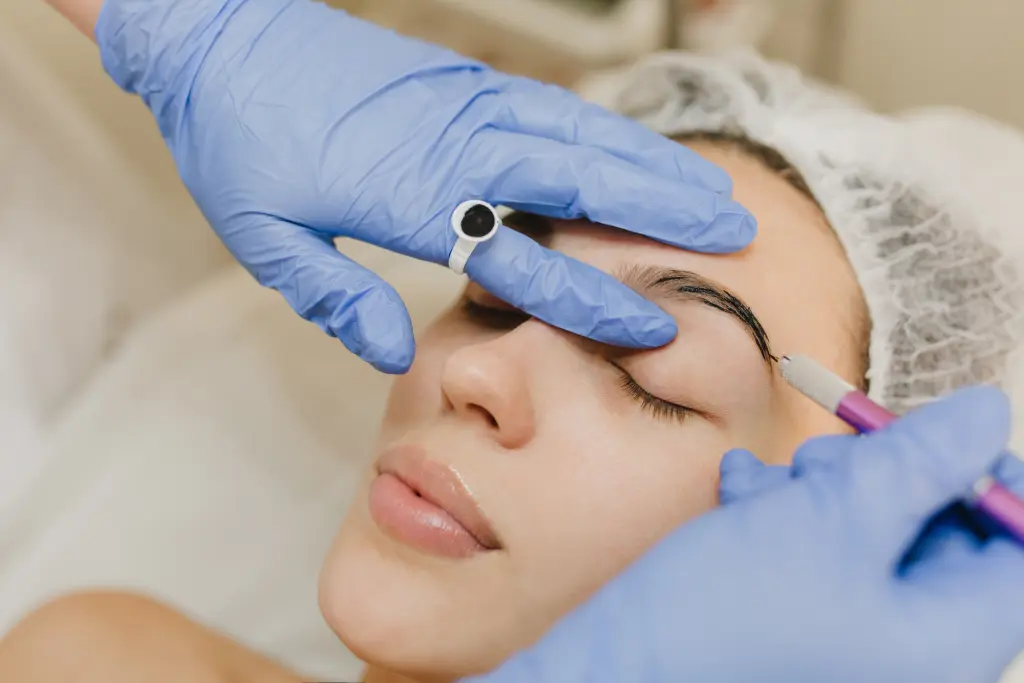
An eyebrow transplant is a surgical hair restoration procedure designed to improve eyebrow density and shape. During treatment, a specialist extracts individual hair follicles from a donor area, commonly the back of the scalp, and carefully implants them into the eyebrow region.
The procedure generally uses techniques such as Follicular Unit Extraction (FUE), which involves harvesting individual follicular units. Each graft is placed at a specific angle and direction to imitate the natural growth pattern of eyebrow hair.
Understanding the procedure beforehand helps patients develop realistic expectations about the treatment process and its results.
2. Know Whether You Are a Suitable Candidate
Not everyone is automatically suitable for an eyebrow transplant. A specialist must assess your eyebrow condition, medical history, donor hair availability, and overall health before recommending the procedure.
People with naturally thin eyebrows, over-plucked eyebrows, permanent hair loss, or gaps caused by injuries may be potential candidates. However, individuals experiencing active skin conditions, certain types of alopecia, or unexplained hair loss may require further medical evaluation.
A consultation helps determine whether transplantation is an appropriate option or whether another treatment would be more suitable.
3. Choose the Right Eyebrow Shape
Eyebrow shape significantly influences facial appearance. Before undergoing transplantation, it is important to discuss your preferred eyebrow design with the treating specialist.
Factors such as facial structure, eye shape, natural eyebrow growth, and personal preferences should be considered when planning the shape. The specialist may use a temporary outline to demonstrate the proposed design before beginning the procedure.
Avoid choosing an eyebrow shape simply because it is trending. A design that complements your natural facial features is generally more suitable for long-term satisfaction.
4. Understand the Importance of Donor Hair
The quality and availability of donor hair are important factors in determining transplant outcomes. Hair follicles are commonly taken from the scalp because they can provide healthy grafts for transplantation.
However, scalp hair generally grows longer and faster than natural eyebrow hair. This means transplanted eyebrow hairs may require regular trimming to maintain the desired appearance.
The specialist should evaluate donor hair characteristics, including thickness, texture, and growth pattern, before selecting suitable follicles.
5. Learn About the Transplant Techniques
Eyebrow transplantation can involve different follicular extraction and implantation approaches. FUE is commonly used because it allows individual follicular units to be harvested without removing a large strip of scalp tissue.
The implantation stage is particularly important. Eyebrow hairs naturally grow at shallow angles and in specific directions that vary across different sections of the brows. Therefore, precise placement is necessary to achieve a natural-looking result.
Ask your specialist which technique will be used, how grafts will be placed, and why that approach is appropriate for your needs.
6. Have Realistic Expectations About Results
An eyebrow transplant does not produce its final appearance immediately. Following the procedure, some transplanted hairs may shed during the initial weeks. This is commonly known as shock loss and is generally an expected part of the hair growth cycle.
New growth usually begins gradually over the following months. However, the exact timeline varies between individuals.
Patients should understand that the final density, shape, and overall appearance depend on factors such as graft survival, donor hair characteristics, healing, and individual hair growth patterns.
7. Understand the Recovery Process
Recovery is an important part of eyebrow transplantation. Patients may experience temporary redness, swelling, tenderness, or small scabs around the treated area.
Following post-procedure instructions helps support healing and reduce the risk of complications. Patients are generally advised to avoid rubbing, scratching, or applying unnecessary pressure to the transplanted eyebrows.
Your specialist may also recommend avoiding strenuous exercise, excessive sweating, and certain skincare products for a specific period.
Always follow the individual aftercare instructions provided by your medical professional rather than relying on general recovery timelines.
8. Be Aware of Possible Risks and Side Effects
Like other surgical procedures, eyebrow transplantation carries potential risks. Common temporary effects may include swelling, redness, itching, tenderness, and scabbing around the treated area.
Other possible complications include infection, folliculitis, poor graft growth, scarring, asymmetry, and an unsatisfactory cosmetic result. In some cases, transplanted hairs may grow in unexpected directions.
Choosing a qualified medical professional and following appropriate aftercare instructions can help reduce avoidable risks. Discuss potential complications during your consultation so you understand the procedure before making a decision.
9. Consider the Maintenance Requirements
One important difference between natural eyebrow hair and transplanted scalp hair is their growth behaviour. Since transplanted follicles generally retain characteristics of their original donor area, the new eyebrow hairs may continue growing longer than surrounding eyebrow hairs.
Regular trimming may therefore be necessary to maintain a neat and balanced appearance. Patients should also follow their specialist’s recommendations regarding grooming, shaping, and skincare.
Understanding these maintenance requirements beforehand can help you decide whether an eyebrow transplant fits your lifestyle and personal preferences.
10. Select an Experienced and Qualified Specialist
The expertise of the treating specialist plays an important role in eyebrow transplantation. Unlike some other hair restoration procedures, eyebrow transplantation requires careful attention to facial symmetry, hair direction, graft placement, and natural-looking density.
Before selecting a clinic, research the practitioner’s qualifications, relevant experience, treatment approach, and patient reviews. Ask to see genuine before-and-after photographs of previous eyebrow transplant cases.
During your consultation, discuss your expectations, possible risks, donor hair suitability, recovery requirements, and expected results. A trustworthy specialist should explain the limitations of the procedure rather than promise perfect outcomes.
Conclusion
An eyebrow transplant can be an option for individuals looking to improve sparse eyebrows, restore missing hair, or achieve more balanced eyebrow density. However, understanding the procedure, candidate suitability, donor hair requirements, recovery process, potential risks, and long-term maintenance is essential before making a decision.
At AATRAS, patients can explore aesthetic treatment options and seek professional guidance based on their individual concerns and goals. If you are considering an Eyebrow Transplant Treatment in Dubai, scheduling a consultation with a qualified specialist can help you understand the available options and determine whether the procedure is suitable for your needs. Making an informed decision is an important step towards achieving natural-looking and balanced results.