Dental fillings are one of the most common treatments used to restore teeth affected by cavities, minor fractures, and other forms of tooth damage. They help repair weakened tooth structures, prevent further decay, and restore normal chewing function. Although dental fillings are generally straightforward procedures, understanding what happens before, during, and after treatment can help patients make informed decisions about their oral health.
Whether you have recently discovered a cavity or your dentist has recommended repairing a damaged tooth, knowing the basics of dental fillings can make the experience more comfortable. Here are ten important things to understand before getting a dental filling.
1. Dental Fillings Treat Cavities and Tooth Damage
Dental fillings are primarily used to repair teeth affected by tooth decay. When bacteria in the mouth produce acids that damage tooth enamel, small holes known as cavities can develop. If left untreated, these cavities may gradually become larger and affect deeper layers of the tooth.
A filling helps restore the affected area after the dentist removes the decayed portion. Fillings can also repair certain minor cracks, chips, and worn tooth surfaces. Early treatment helps preserve more of the natural tooth structure and reduces the risk of complications.
2. Different Types of Dental Filling Materials Are Available
Not all dental fillings are made from the same material. Dentists consider several factors, including the location of the cavity, the amount of tooth damage, appearance preferences, and budget, before recommending an option.
Common filling materials include:
- Composite Resin: A tooth-coloured material that blends with natural teeth and is commonly used for visible areas.
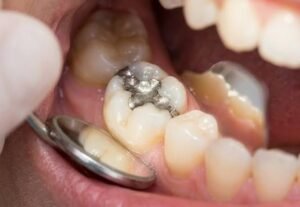
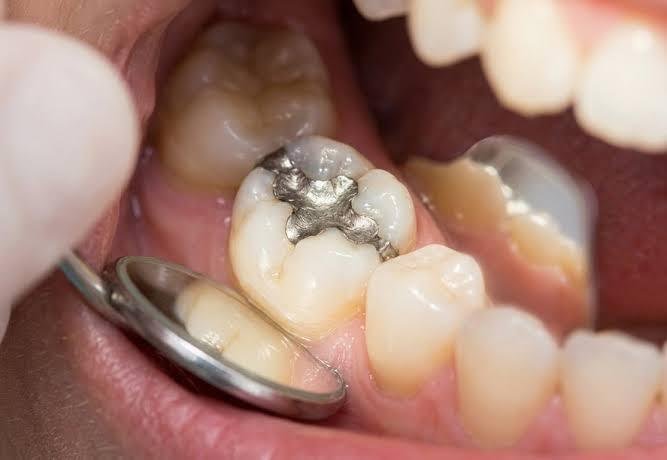
- Amalgam: A silver-coloured material traditionally used for restoring back teeth because of its durability.
- Glass Ionomer: A material that releases fluoride and is often used in selected areas, particularly when additional protection against decay is beneficial.
- Ceramic: A tooth-coloured material that offers an aesthetic appearance and is generally used for larger restorations such as inlays and onlays.
Each material has different properties, advantages, and limitations. Your dentist can help determine which option is appropriate for your situation.
3. Early Cavity Treatment Can Prevent Bigger Problems
One of the most important things to understand about dental fillings is the value of early treatment. Small cavities may not cause noticeable symptoms, which means tooth decay can progress without you realising it.
As decay spreads, it can reach the inner pulp of the tooth, where nerves and blood vessels are located. This may cause severe pain, infection, or inflammation that requires more extensive treatment, such as root canal therapy.
Regular dental check-ups allow dentists to identify cavities early. Treating minor decay with a filling can help avoid more complicated procedures and preserve natural teeth.
4. The Procedure Is Usually Straightforward
Getting a dental filling is generally a simple procedure performed during a dental appointment. The exact process depends on the size and location of the cavity and the material being used.
Typically, the dentist examines the affected tooth and may take an X-ray if necessary. Local anaesthesia is often administered to numb the area and minimise discomfort. The decayed portion is then removed, and the tooth is cleaned before the filling material is placed.
For composite fillings, the material is usually applied in layers and hardened using a special curing light. Finally, the dentist shapes and polishes the filling to ensure a comfortable bite.
5. Some Sensitivity After Treatment Is Normal
It is possible to experience mild sensitivity after getting a dental filling. Some patients notice temporary discomfort when consuming hot, cold, sweet, or acidic foods and beverages.
This sensitivity can occur because the tooth has undergone treatment and the surrounding tissues may need time to settle. In many cases, the symptoms gradually improve.
However, severe pain, persistent sensitivity, or discomfort when biting should not be ignored. These symptoms may indicate that the filling needs adjustment or that the tooth requires further evaluation. Contact your dentist if the discomfort continues or becomes worse.
6. Dental Fillings Do Not Last Forever
Although dental fillings are designed to restore damaged teeth, they do not last permanently. Their lifespan depends on the material, filling size, chewing pressure, oral hygiene habits, and individual dental conditions.
Composite fillings may last several years, while other materials can remain functional for longer under suitable conditions. However, no filling is guaranteed to last a specific period for every patient.
Over time, fillings may become worn, cracked, loose, or damaged. Regular dental examinations help identify these problems before they lead to additional complications. Your dentist can recommend replacement when necessary.
7. Proper Oral Hygiene Is Essential After Treatment
Getting a dental filling does not mean that the treated tooth is completely protected against future cavities. The natural tooth surrounding the filling can still develop decay if proper oral hygiene is neglected.
To maintain healthy teeth after treatment, consider these habits:
- Brush twice daily using fluoride toothpaste.
- Floss every day to remove food particles between teeth.
- Limit sugary snacks and acidic beverages.
- Drink sufficient water throughout the day.
- Visit your dentist regularly for professional examinations and cleaning.
Maintaining these habits helps protect both restored and untreated teeth from further damage.
8. You May Need to Avoid Certain Foods Temporarily
Your dentist may recommend avoiding certain foods immediately after a dental filling, depending on the material used and whether local anaesthesia was administered.
If your mouth is still numb, avoid chewing until normal sensation returns. This helps prevent accidentally biting your tongue, lips, or cheeks.
Additionally, hard, sticky, or chewy foods may place unnecessary pressure on a newly restored tooth. Follow your dentist’s instructions regarding when to resume your normal diet.
Most patients can return to their usual eating habits relatively quickly, although individual recovery experiences may vary.
9. Your Bite May Need Minor Adjustments
After a filling is placed, the dentist checks whether the restored tooth fits comfortably with the opposing teeth. Sometimes, patients notice that the treated tooth feels slightly higher when biting or chewing.
This may happen if the filling material interferes with the natural alignment of the bite. Even a small difference can create discomfort when chewing.
If your tooth feels uneven or painful when you bite down, inform your dentist. A minor adjustment can often improve comfort and restore the natural biting relationship.
10. Choosing an Experienced Dental Professional Matters
The quality of a dental filling depends on several factors, including the dentist’s experience, proper cavity preparation, suitable material selection, and accurate placement.
An experienced dental professional evaluates the condition of the tooth before recommending treatment. They also consider your dental history, oral hygiene habits, and individual needs when planning the restoration.
At Atlantis GEO, patients can explore professional dental care options designed to address different oral health concerns. Discussing your symptoms, treatment expectations, and available filling materials with a dental professional can help you understand the most suitable approach.
Conclusion
Dental fillings play an important role in treating cavities, restoring damaged teeth, and maintaining long-term oral health. Understanding the available filling materials, treatment procedure, recovery expectations, and aftercare requirements can help you make confident decisions about your dental care. Early diagnosis, good oral hygiene, and regular dental check-ups are equally important for protecting your natural teeth.
If you are experiencing tooth sensitivity, visible cavities, or discomfort while chewing, consider arranging a dental examination rather than delaying treatment. For professional guidance and appropriate restorative care, explore Dental Filling Services in Dubai at Atlantis GEO and discuss your dental concerns with an experienced dental professional.