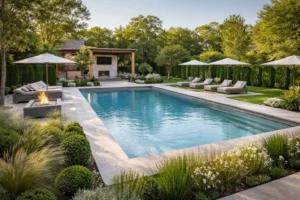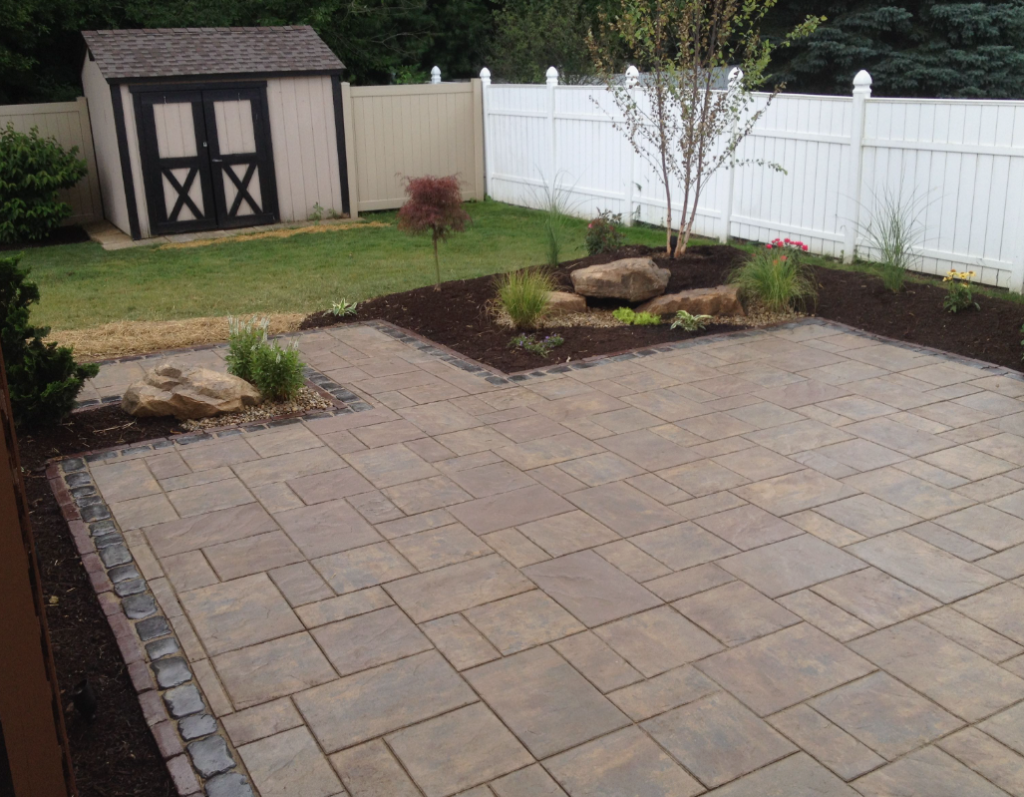
A well-designed patio can transform an ordinary backyard into a practical extension of the home. paver patio installation Thornton CO is increasingly appealing to homeowners who want an outdoor space for dining, entertaining, relaxing, or simply enjoying Colorado’s changing seasons. Unlike an empty section of lawn, a professionally planned paver patio provides a defined surface for furniture and activities while giving the landscape a stronger sense of structure. The right layout can also connect the patio naturally with the house, garden areas, walkways, fire features, outdoor kitchens, or other elements of a larger landscape design.
Choosing the right approach requires more than selecting attractive pavers. Thornton homeowners need to consider the property’s existing grade, drainage, soil conditions, patio dimensions, intended use, access, and relationship to the surrounding landscape. Material selection and installation quality also influence how the finished surface performs over time. Red Rock Outdoor Living works with homeowners in Thornton and the greater Denver Metro area on custom patio designs and complete landscape construction, helping turn outdoor ideas into coordinated living spaces.
Why Paver Patios Work Well for Thornton Backyards
Paver patios offer considerable design flexibility because individual units can be arranged into different patterns, shapes, borders, and layouts. This makes it possible to design a patio around the actual dimensions of a backyard rather than forcing the property into a standard rectangular configuration. Homeowners can create a compact sitting area or develop a larger entertaining space with room for dining furniture, grills, fire features, and comfortable circulation. Pavers can also visually complement the architecture of the house and coordinate with retaining walls, pathways, landscaping, and other hardscape elements. For a property where several outdoor features need to work together, this flexibility can make the patio an important part of the overall landscape rather than an isolated surface added after the rest of the yard is finished.
Planning the Right Patio Size and Layout
Patio planning should begin with how the space will actually be used. A homeowner who wants a small seating area needs different dimensions from a household that regularly hosts outdoor meals or gatherings. Furniture placement should be considered before construction so there is enough room for chairs to move comfortably and people can walk around tables, grills, or other features without creating cramped pathways. The location of doors, windows, stairs, property boundaries, landscaping, and existing structures should also influence the design. A thoughtful layout can create clear transitions between indoor and outdoor spaces while preserving usable portions of the yard. Planning future additions at this stage is equally valuable. If an outdoor kitchen, pergola, fire pit, or expanded seating area may be added later, the initial design can account for those possibilities instead of requiring major changes to an already completed patio.
Understanding the Importance of Proper Site Preparation
The appearance of a paver patio receives plenty of attention, but the preparation underneath it is just as important. Before pavers are placed, the site generally needs to be evaluated and prepared according to its specific conditions. Excavation, grading, base preparation, compaction, and drainage all contribute to the stability of the finished surface. If these steps are rushed or handled improperly, movement, uneven areas, or drainage problems can develop over time. The exact preparation required depends on the property’s soil, slope, existing surface, and planned use. A professional installation process therefore starts with understanding the site rather than simply measuring the desired patio area. Good preparation creates the foundation for a surface that looks consistent and functions properly through normal outdoor use and seasonal weather changes.
Selecting Pavers, Patterns, and Design Details
The visual character of a patio depends on more than the primary paver color. Pattern, scale, border design, texture, and transitions can all influence how the finished area relates to the home. A simple running pattern may create a clean appearance, while more complex arrangements can establish a stronger decorative focal point. Borders can visually define the patio and provide a transition between the main surface and adjacent landscape materials. Color should also be considered in relation to exterior siding, stonework, roofing, fencing, and existing landscape features. The goal is to create visual continuity rather than selecting each material independently. During the middle stages of paver patio installation Thornton CO, these decisions become especially important because the patio should complement the broader outdoor design and remain visually appropriate as surrounding plants and landscape features mature.
Integrating a Patio With Outdoor Living Features
A patio becomes more useful when it serves as the foundation for several outdoor activities. Seating areas can be positioned around a fire pit or fireplace, while an outdoor kitchen can provide a practical connection between cooking and dining spaces. Additional landscaping can soften hardscape edges and create transitions between the patio and lawn or planting beds. Retaining walls may help define areas where elevation changes exist, while pathways can connect the patio to other portions of the property. These features should be planned together whenever possible. Adding them independently can result in awkward spacing or inefficient circulation. A coordinated landscape design instead considers how people will enter, move through, sit in, and use the entire outdoor environment. This approach can make even a relatively modest patio feel purposeful and comfortable.
Working With Professionals on a Patio Project
A professional landscape contractor can help homeowners address the technical and design decisions involved in a patio project before construction begins. This includes evaluating the property, discussing intended use, developing a practical layout, selecting appropriate materials, and establishing a project scope that matches the available budget. Professional coordination can become particularly useful when a patio is part of a larger backyard transformation involving landscaping, retaining walls, outdoor kitchens, fire features, artificial turf, pools, or other improvements. Red Rock Outdoor Living provides landscape design and construction services in Thornton and throughout the Denver Metro area, with patio projects available as part of a broader outdoor living approach. Its process includes an in-person consultation, measurements, design discussions, project details, and an estimate so homeowners can understand the proposed work before moving forward.
Maintaining a Paver Patio for Long-Term Use
Once installation is complete, routine care helps preserve both the appearance and functionality of the patio. Regular sweeping can remove leaves, dirt, and other debris before they accumulate between pavers. Spills should be addressed according to the characteristics of the installed material, while seasonal inspections can identify areas that may require attention. Furniture should also be positioned thoughtfully to avoid unnecessary damage or difficult-to-access areas. If individual pavers eventually become damaged or require adjustment, the modular nature of paver construction can make localized repairs more practical than replacing an entire continuous surface. Maintenance requirements vary depending on the paver material, surrounding landscaping, drainage conditions, and amount of use, so homeowners should understand the care recommendations associated with their specific installation.
Conclusion
A thoughtfully designed patio can provide much more than a place to put outdoor furniture; it can establish the foundation for a backyard that supports dining, entertaining, relaxation, and everyday outdoor activities. Successful paver patio installation Thornton CO begins with careful site preparation, appropriate drainage, a practical layout, durable materials, and design choices that complement the home and surrounding landscape. Homeowners should consider both immediate needs and potential future improvements before construction begins, particularly when the patio will connect with outdoor kitchens, fire features, walkways, planting areas, or other living spaces. By approaching the project as part of the entire landscape rather than as a standalone surface, homeowners can create an outdoor area that is functional, visually cohesive, and suited to the way they intend to use their property. Red Rock Outdoor Living offers a starting point for Thornton homeowners seeking a coordinated approach to custom patio design and outdoor living construction.