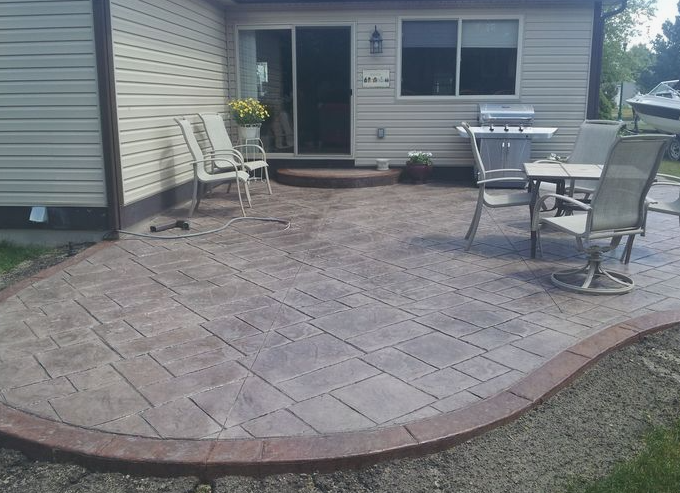
A paver patio can turn an underused backyard into a comfortable place for dining, entertaining, relaxing, and spending time outdoors. When homeowners search for a paver patio contractor near me, they are often looking for more than someone to install attractive materials. They need a professional who understands site preparation, drainage, layout, material selection, grading, and the way a patio should connect with the rest of the landscape. A properly planned patio can become a long-term part of the home’s outdoor living environment, providing a defined surface for furniture and activities while improving the overall organization of the backyard.
Choosing a contractor is an important decision because installation quality can influence how the patio looks and performs over time. Homeowners may have different goals, from a simple seating area to a large entertainment space connected to an outdoor kitchen, fire feature, lawn, or garden. A reliable contractor should be able to discuss those priorities and develop a design that works with the property’s existing conditions. Red Rock Outdoor Living provides landscape design and construction services for homeowners in the Denver Metro and Thornton areas, including custom patios and broader outdoor living projects.
Why Professional Patio Planning Matters
A successful patio begins with planning rather than material installation. The contractor needs to understand the property’s dimensions, existing grade, drainage patterns, access points, surrounding structures, and intended use. Patio placement should also relate naturally to the home’s doors, windows, kitchen, and primary outdoor activity areas. For example, a patio intended for frequent dining may need adequate space for a table, chairs, circulation, and convenient access to the home. A smaller relaxation area may require less space but benefit from privacy or proximity to landscaping. Planning these details before construction helps prevent a finished patio from feeling too small, poorly positioned, or disconnected from the rest of the yard.
How to Evaluate a Paver Patio Contractor Near Me
When comparing contractors, homeowners should look beyond photographs of completed patios and ask how the company approaches the actual construction process. A qualified contractor should be willing to discuss site evaluation, excavation, base preparation, grading, drainage, material selection, project scope, and expected maintenance. Communication is another important consideration because homeowners should understand what is included before construction starts. It can also be useful to determine whether the contractor handles both design and construction or whether several companies must be coordinated. When multiple outdoor improvements are planned, having one team manage related work can simplify scheduling and help maintain consistency between the patio, landscaping, walkways, retaining walls, and other features.
Selecting the Right Paver Style and Pattern
Pavers are available in numerous colors, shapes, textures, sizes, and patterns, giving homeowners considerable freedom when developing a patio design. However, choosing materials solely because they look appealing in isolation can lead to a patio that does not complement the home. Exterior siding, stonework, roofing, fencing, landscaping, and existing hardscape should all be considered when selecting colors and textures. Pattern selection can also influence the visual character of the space. Simpler arrangements may create a clean and understated appearance, while contrasting borders or more intricate patterns can establish a stronger design feature. A knowledgeable contractor can help homeowners compare these options based on the architecture, dimensions, intended use, and broader landscape rather than treating material selection as a separate decision.
Preparing the Site for a Durable Patio
The foundation beneath a paver patio is one of the most important parts of the installation. Before pavers are placed, the site typically requires appropriate excavation, grading, base preparation, and compaction based on its specific conditions. Drainage must also be considered so water is directed appropriately and does not create avoidable problems around structures or finished surfaces. Existing soil, slope, construction conditions, and intended patio use can all influence preparation requirements. Cutting corners during this stage may create issues such as uneven surfaces or movement later, even when high-quality pavers are used. Professional installation therefore involves considerably more than arranging pavers on the ground. The underlying preparation should be treated as a fundamental component of the finished patio.
Designing the Patio Around Outdoor Living
A patio becomes more valuable when it supports the way a household actually uses its backyard. Seating, dining, grilling, cooking, entertaining, and relaxing all require different amounts of space and different relationships between outdoor features. A patio can serve as the foundation for an outdoor kitchen, fire pit, fireplace, pergola, covered seating area, or other living feature. Landscaping can then soften the edges and create transitions between hardscape and natural areas. Walkways can connect the patio with other parts of the property, while retaining walls may help organize yards with changes in elevation. During the paver patio contractor near me selection process, homeowners should therefore consider whether the contractor can think beyond the patio itself and understand how the finished surface will interact with the entire outdoor environment.
Considering Maintenance Before Installation
Every patio requires some level of care, and homeowners should understand those requirements before selecting materials and finalizing the design. Routine sweeping can help remove leaves, dirt, and debris, while spills should be addressed using methods appropriate for the installed pavers. The surrounding landscape can also influence maintenance because nearby trees, planting beds, and lawn areas may introduce organic debris onto the patio. Proper drainage and thoughtful placement of landscape features can make routine care more manageable. Homeowners should also ask about the expected maintenance of joints, surface finishes, and individual pavers. Because pavers are installed as separate units, localized repairs may be possible when individual areas eventually require attention, although the appropriate repair method depends on the installation and material.
Connecting Patios With the Rest of the Landscape
A patio should not look like an isolated platform placed in the middle of a backyard. Its size, shape, elevation, materials, and surrounding landscape should create a natural transition from the home to the rest of the property. Planting beds can soften hard edges, while decorative rock, mulch, lawn, and shrubs can define the boundary between outdoor living and landscaped areas. Lighting may also improve usability and help establish visual connections after sunset. When a patio is being installed as part of a larger renovation, homeowners can coordinate it with retaining walls, artificial turf, outdoor kitchens, fire features, pools, spas, and other improvements. A unified approach can produce a more cohesive result than completing each feature independently.
Working With Red Rock Outdoor Living
Homeowners researching a paver patio contractor near me may benefit from choosing a company that can address both the patio and the surrounding outdoor environment. Red Rock Outdoor Living offers landscape design and construction services in the Denver Metro and Thornton areas, including custom patios, hardscaping, landscaping, outdoor kitchens, fire features, pools, spas, and other outdoor living improvements. Its approach allows homeowners to discuss their overall goals before determining how the patio should fit into the property. This can be especially useful when the project involves multiple features that need to share materials, circulation paths, elevations, and design details. A consultation can provide an opportunity to discuss the property’s characteristics, desired uses, design preferences, and project expectations before construction begins.
Conclusion
Finding the right paver patio contractor near me involves looking beyond the appearance of finished projects and understanding how the contractor approaches design, preparation, drainage, construction, and long-term functionality. Homeowners should consider the patio’s intended purpose, available space, relationship to the house, material choices, maintenance requirements, and connection with surrounding landscaping before work begins. Professional site preparation is particularly important because the quality of the foundation beneath the pavers can influence the performance of the finished surface. When a patio is planned as part of a complete outdoor living environment, it can provide a comfortable and practical foundation for dining, entertaining, relaxation, and everyday enjoyment. Careful planning, clear communication, suitable materials, and experienced construction can help homeowners create a patio that complements both their property and the way they want to use their outdoor space.