custom swimming pool construction
A custom swimming pool can transform an ordinary backyard into a comfortable outdoor retreat designed around your lifestyle, property, and aesthetic preferences. Unlike prefabricated options, custom swimming pools are planned around the available space, desired features, and practical needs of the household. Understanding the construction process before work begins can make the experience easier to manage and help homeowners make informed decisions. From the first design consultation to the final inspection, every stage plays an important role in creating a safe and attractive pool.
1. Start With Planning and Design
The first stage of custom swimming pool construction is detailed planning. A professional pool contractor typically evaluates the property, available space, existing landscaping, drainage patterns, access points, and local requirements before developing a design. Homeowners can discuss preferences such as pool shape, depth, entry steps, tanning ledges, spas, waterfalls, lighting, and decking. Careful planning helps ensure the finished pool fits naturally into the backyard rather than looking like an afterthought.
During the design stage, homeowners should also consider how the pool will be used throughout the year. A family with young children may have different priorities from someone who wants a pool primarily for entertaining guests or exercising. Materials, equipment, circulation systems, finishes, and surrounding features should all be considered together. Experienced luxury swimming pool builders Colleyville TX can help balance appearance, functionality, maintenance requirements, and the property’s existing layout when developing a personalized plan.
2. Review Permits, Property Conditions, and Preparation
Once the design has been developed, the project moves into preparation and approval. Depending on the location and scope of the project, permits, inspections, property surveys, utility checks, and other requirements may need to be completed before excavation begins. Professional contractors generally coordinate these details as part of the construction process. Addressing regulatory and site-related requirements early can prevent unnecessary interruptions after physical work has started.
The property itself must also be prepared for construction. Contractors may identify underground utilities, establish equipment access routes, protect nearby structures, and determine where excavated soil will be placed or removed. Existing landscaping may need temporary protection or selective removal. Good site preparation is more than simply clearing an area for the pool because drainage, access, soil conditions, and surrounding structures can influence both construction methods and the long-term performance of the finished pool.
3. Excavation Establishes the Pool’s Structure
Excavation is one of the most noticeable stages because the planned pool begins to take physical shape. Using the approved design as a guide, construction crews mark the pool layout and carefully excavate the ground to the required dimensions and depths. The excavation must accurately reflect the design because later construction stages depend on the shape, elevation, and grade established at this point. Unexpected soil or access conditions can occasionally require adjustments.
After excavation, the construction team prepares the area for the pool’s structural components. Depending on the construction method, this may include installing reinforcement materials, plumbing lines, and other systems that will eventually become part of the pool. Experienced crews pay close attention to measurements and elevations because small errors at an early stage can affect later finishes, circulation, drainage, or surrounding hardscape. Proper workmanship during this phase establishes an important foundation for the entire project.
4. Install Plumbing, Electrical, and Structural Systems
A custom pool is much more than a hole filled with water. Behind the visible surfaces are circulation pipes, drains, skimmers, return lines, filtration equipment, pumps, lighting systems, and other components that help the pool operate efficiently. During this stage, contractors install these systems according to the approved design. Features such as spas, fountains, waterfalls, automatic controls, and specialty lighting require additional planning and coordination.
Electrical work is particularly important because pool equipment and lighting must be installed with appropriate safety considerations. Plumbing also needs to be positioned correctly to support effective water circulation and filtration. Before these components become inaccessible, contractors should verify that connections and layouts match the project plans. This is one reason selecting an experienced construction team matters: quality installation beneath the finished surfaces can have a major impact on reliability and future maintenance.
5. Build the Pool Shell and Add Interior Finishes
With the underlying systems prepared, crews construct the structural shell of the pool. The exact process depends on the selected construction method, but the objective is to create a strong structure capable of handling the surrounding soil and water pressure. The shell’s shape, walls, steps, benches, shelves, and other architectural elements are formed according to the approved design. Careful attention to reinforcement and structural details is essential at this stage.
After the shell has properly progressed through the required construction stages, interior finishes can be installed. Homeowners may choose from different colors, textures, tile designs, coping materials, and decorative details to create the desired appearance. These choices can significantly influence how the water looks under natural and artificial lighting. A custom pool allows these elements to work together, creating a cohesive design rather than relying on a standard appearance.
6. Complete Decking, Landscaping, and Custom Features
The area surrounding the pool is an important part of the overall project. Decking, patios, retaining elements, outdoor kitchens, seating areas, landscaping, lighting, and shade structures can help connect the pool with the rest of the backyard. Contractors must consider proper slopes and drainage so rainwater and surface runoff are directed away from areas where they could cause problems. The right surrounding materials can also improve comfort, accessibility, and visual appeal.
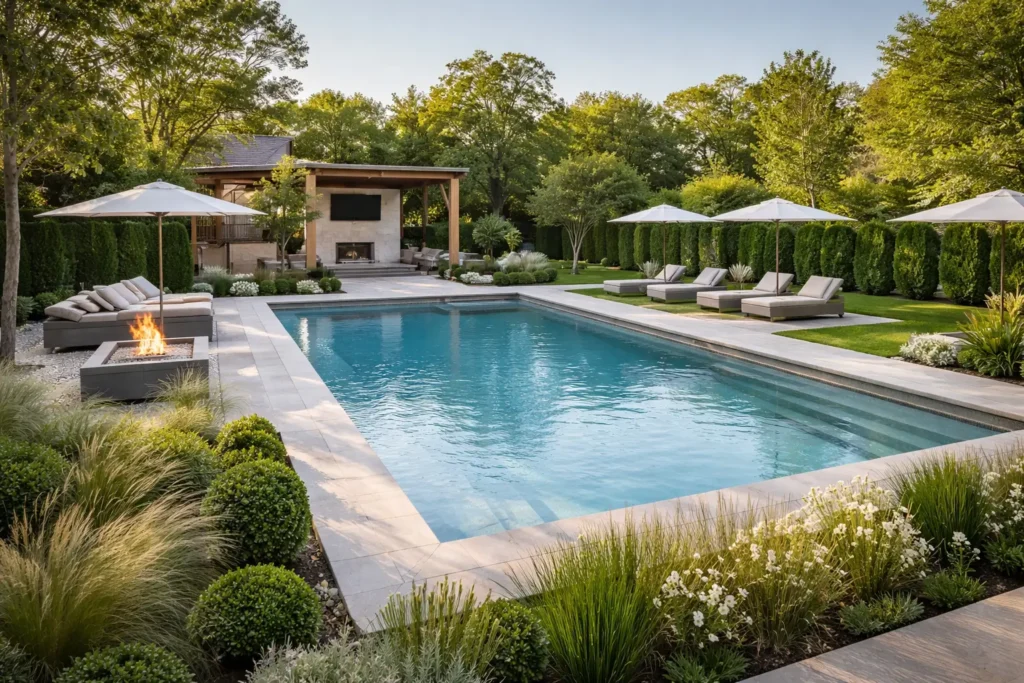
Custom features are typically completed as the project approaches its final stages. These may include waterfalls, fire features, spas, tanning ledges, specialty lighting, automated controls, or integrated outdoor living areas. Luxury swimming pool builders Colleyville TX may incorporate these features into a broader backyard design so the pool feels connected to the home’s architecture and outdoor environment. Thoughtful coordination helps create a finished space that is both visually impressive and practical for everyday use.
7. Final Inspection, Startup, and Pool Orientation
Before the pool is considered complete, the contractor should review the finished work and verify that major systems are operating properly. Equipment such as pumps, filters, heaters, lighting, and automated controls should be tested, while plumbing and circulation systems should be checked for proper operation. The water may also require initial balancing to establish appropriate chemical conditions. Depending on the project, final inspections may also be required before the pool is ready for regular use.
A professional handover should include more than simply filling the pool with water. Homeowners should learn how to operate the equipment, maintain appropriate water chemistry, clean the pool, monitor filters, and recognize potential problems. Keeping manufacturer instructions, maintenance information, warranties, and contractor documentation in an accessible location can also be useful. A clear orientation gives homeowners greater confidence and helps protect the investment through proper ongoing care.
What Homeowners Should Know Before Construction Begins
Custom swimming pool construction is a substantial project, so realistic expectations can make the experience considerably smoother. Construction schedules may vary because of weather, inspections, material availability, site conditions, design changes, and other factors outside a contractor’s direct control. Homeowners should discuss the anticipated timeline, payment schedule, included features, material selections, maintenance expectations, and procedures for handling changes before work begins.
It is also wise to choose a contractor based on demonstrated experience rather than appearance or price alone. Look for a team that can clearly explain the construction process, communicate project milestones, provide detailed documentation, and demonstrate experience with projects similar to yours. Asking questions about structural methods, equipment, warranties, drainage, maintenance, and safety can help homeowners understand what they are purchasing. A well-planned project combines thoughtful design with sound construction practices.
Conclusion
A custom pool is created through a series of connected stages, beginning with site evaluation and design and continuing through excavation, structural construction, system installation, finishing, and final testing. Each step contributes to the pool’s appearance, safety, performance, and long-term usability. Understanding the process allows homeowners to participate more confidently in design decisions and recognize why certain construction details require careful attention.
The best results come from treating the pool as part of the entire outdoor environment rather than as an isolated feature. With appropriate planning, quality materials, experienced workmanship, and regular maintenance, a custom swimming pool can become a lasting extension of the home. Whether the goal is family recreation, entertaining, relaxation, or a complete backyard transformation, careful construction provides the foundation for enjoying the finished space for years to come.