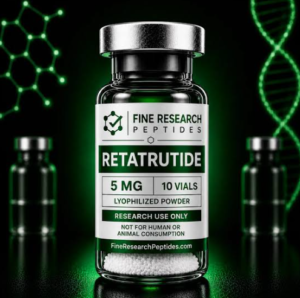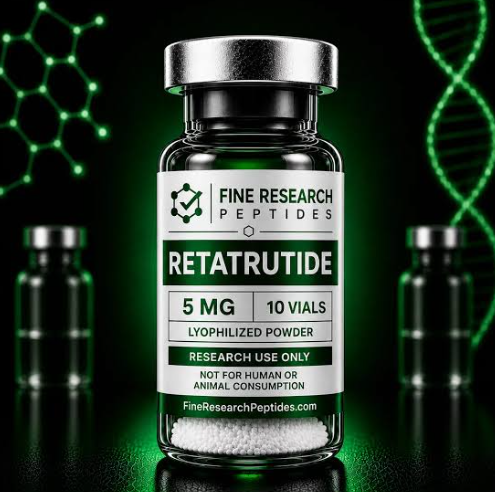
Interest in retatrutide 10mg has increased as research into next-generation metabolic therapies continues to develop. Retatrutide, also known as LY3437943, is an investigational molecule developed by Eli Lilly and designed to activate three hormone receptors: GIP, GLP-1, and glucagon.
Although different retatrutide strengths are discussed in research and online listings, the availability of a particular labeled strength should not be confused with regulatory approval or established medical use.
What Is Retatrutide?
Retatrutide is a once-weekly investigational triple receptor agonist being studied for obesity and related metabolic conditions. Its mechanism involves simultaneous activity at the GIP, GLP-1, and glucagon receptors.
Researchers are studying the compound in several Phase 3 programs, including research involving obesity, type 2 diabetes, knee osteoarthritis pain, and obstructive sleep apnea.
What Does 10mg Mean?
The term 10mg retatrutide refers to the amount of retatrutide represented by that product or research preparation. It does not, by itself, establish that 10 mg is an approved dose or that a commercially sold vial has been manufactured to pharmaceutical standards.
Clinical trials have investigated specific doses under controlled protocols. For example, Lilly’s 2026 Phase 3 reporting included 4 mg, 9 mg, and 12 mg treatment groups in TRIUMPH-2.
Consequently, researchers should distinguish between a research product’s labeled amount and a clinically validated dosing regimen.
Retatrutide Research in 2026
Retatrutide has progressed substantially through clinical development. Lilly reported positive topline results from multiple Phase 3 trials during 2026.
In TRIUMPH-1, Lilly reported that participants receiving 12 mg experienced an average 28.3% reduction in body weight at 80 weeks. In TRIUMPH-2, which involved adults with obesity or overweight and type 2 diabetes, the reported average reduction at the highest studied dose was 20.8%.
These are clinical-trial findings rather than evidence that an independently sold 10 mg research product has the same composition, quality, or effects.
Why Product Quality Matters
When researching laboratory compounds, product identity and analytical documentation are important considerations. Researchers may examine information such as:
-
Compound identity
-
Stated quantity
-
Batch or lot information
-
Analytical testing
-
Purity documentation
-
Packaging
-
Storage requirements
-
Research-use designation
Analytical techniques such as HPLC and LC-MS can provide information about identity and purity when appropriately performed and documented.
Retatrutide 10mg and Research Use
A product described as retatrutide 10mg for research should not automatically be interpreted as an approved pharmaceutical product. The FDA has specifically warned about unapproved retatrutide products marketed online, including products labeled for research purposes but promoted in ways suggesting human use.
For legitimate laboratory research, researchers should verify the applicable documentation and regulatory requirements in their jurisdiction and use research materials only according to appropriate laboratory protocols.
Is Retatrutide 10mg FDA Approved?
No. As of September 2026, retatrutide is not FDA-approved. Lilly states that it remains an investigational medicine available through its clinical-trial program.
The FDA has also stated that retatrutide cannot be used in compounding under federal law and has warned consumers about unapproved products marketed as retatrutide.
Lilly announced in July 2026 that it plans to submit a Biologics License Application to the FDA in the first quarter of 2027.
What Should Researchers Consider When Evaluating a 10mg Product?
Before acquiring any research compound, researchers should consider whether the supplier provides transparent product information and appropriate analytical documentation.
Important questions include:
Is the identity documented?
The supplier should provide clear information identifying the compound and its stated composition.
Is analytical testing available?
Testing documentation can help researchers assess the reported identity and purity of a material.
Is the quantity clearly stated?
A label such as “10mg” should clearly identify what the quantity represents and correspond with the accompanying documentation.
Is the product intended for research?
Research compounds should have clear research-use labeling and should not be marketed as substitutes for approved medicines.
Frequently Asked Questions
What is retatrutide 10mg?
It refers to a research preparation or product labeled as containing 10 mg of retatrutide. The label strength itself does not establish regulatory approval or medical dosing.
Is 10mg an approved retatrutide dose?
No. Retatrutide remains investigational, and the clinical doses studied in trials should not be equated with an independently sold 10 mg product.
Is retatrutide available from pharmacies?
Retatrutide is not currently available as an FDA-approved medicine through ordinary pharmacy channels. Lilly states that it is currently available through its clinical trials.
What is retatrutide being studied for?
Clinical development includes obesity and related conditions such as type 2 diabetes, knee osteoarthritis pain, and obstructive sleep apnea.
What should researchers look for in a retatrutide product?
Researchers should consider identity information, quantity, analytical documentation, batch information, storage requirements, packaging, and applicable research-use requirements.
Conclusion
Retatrutide 10mg is a search term associated with an investigational compound that has attracted significant interest because of its ongoing clinical development. Retatrutide acts on GIP, GLP-1, and glucagon receptors and is currently being evaluated in Phase 3 research.
For laboratory research, careful attention to compound identity, analytical documentation, quantity, storage, and regulatory requirements is important. For medical use, retatrutide should not be treated as an approved medicine while its regulatory review remains incomplete.