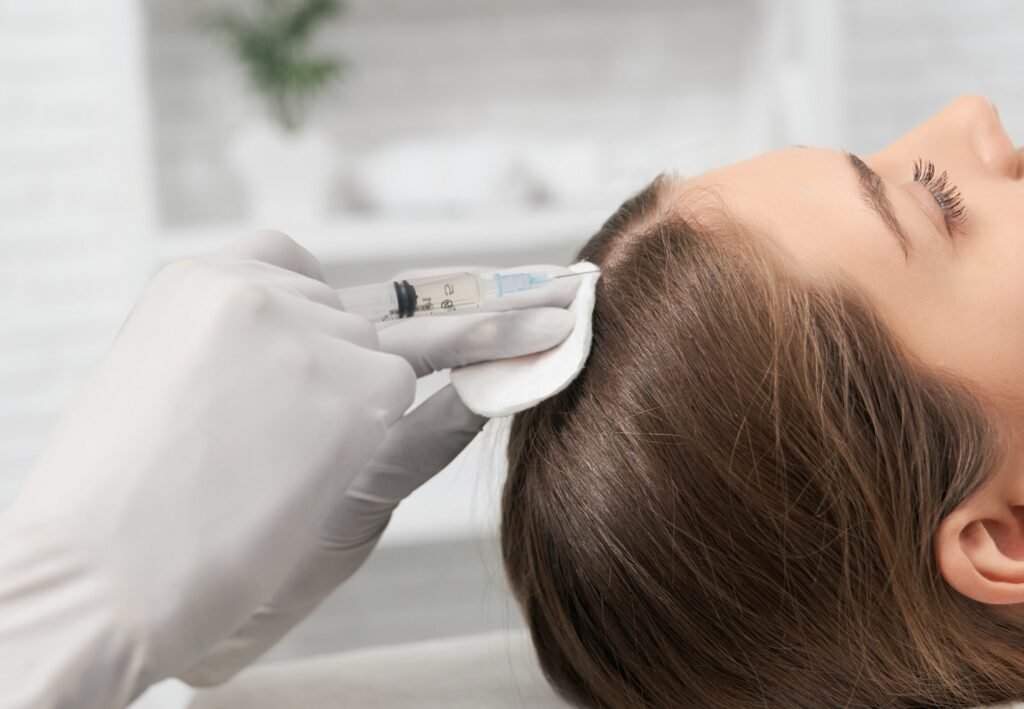
Hair thinning can develop gradually, making the scalp more visible and reducing the overall fullness of the hair. Factors such as genetics, hormonal changes, ageing, nutritional deficiencies, and certain medical conditions can contribute to this concern. Platelet-rich plasma (PRP) therapy has become an option for people seeking a non-surgical approach to supporting hair growth and improving hair density. The treatment uses components derived from the patient’s own blood to deliver a concentrated platelet preparation to selected areas of the scalp.
Interest in PRP For Hair Treatment Dubai continues to grow among individuals exploring professional hair restoration options without undergoing a surgical procedure. PRP contains platelets that release growth factors involved in tissue repair and cellular signalling. When injected into the scalp, these growth factors may help support hair follicles and improve hair characteristics in suitable patients. However, outcomes depend on the underlying cause of hair loss, the condition of the follicles, and the individual’s response to treatment.
PRP is commonly considered for early-stage thinning, reduced hair density, and certain forms of non-scarring hair loss. It is not a guaranteed solution for advanced baldness, and it cannot reliably restore follicles that have been permanently lost. A proper medical assessment is therefore important before beginning treatment.
Dubai offers a range of aesthetic clinics and medical facilities where patients can explore hair restoration options. Understanding the treatment process, practitioner qualifications, safety measures, and realistic expectations can help individuals make informed decisions about whether PRP is appropriate for their needs.
Understanding How PRP Hair Treatment Works
PRP therapy begins with a small blood sample collected from the patient. The sample is processed using a centrifuge to separate platelet-rich plasma from other blood components. The resulting preparation is then injected into selected areas of the scalp using a series of small injections.
Platelets release growth factors that participate in natural tissue repair processes. In hair restoration, these biological signals may support follicular activity and improve hair thickness in some patients. Researchers continue to investigate the most effective preparation methods, injection protocols, and maintenance schedules.
The procedure is generally performed in an outpatient setting. Treatment sessions may take approximately 30–60 minutes, depending on the size of the treatment area and the protocol used. Temporary tenderness, redness, swelling, or pinpoint bleeding can occur after injections.
Clinics Offering Hair Restoration Consultations in Dubai
Dynamic Life Clinic
Dynamic Life Clinic is one of the facilities patients may consider when researching aesthetic treatments and hair restoration options in Dubai. Individuals interested in PRP should enquire about the clinic’s current hair treatment services, practitioner credentials, and the assessment process used to determine suitability.
A detailed consultation should establish whether thinning is associated with androgenetic alopecia, temporary shedding, or another underlying condition. This distinction matters because PRP may offer different levels of benefit depending on the diagnosis. Patients should also ask how treatment progress is monitored and whether additional therapies may be appropriate.
Enfield Royal Clinic
Enfield Royal Clinic is an option for individuals exploring non-surgical approaches to hair restoration and scalp care in Dubai. Patients considering PRP For Hair Treatment Dubai can use a consultation to discuss their hair loss pattern, current density, treatment goals, and whether platelet-rich plasma therapy is suitable for their condition.
A personalised assessment should consider the extent of thinning, the health of existing follicles, family history, and any factors that may contribute to excessive shedding. Where appropriate, a qualified practitioner can explain the potential role of PRP, the expected course of treatment, and whether additional medical evaluation is needed before proceeding.
Patients should also discuss the preparation method, injection technique, hygiene protocols, and likely number of sessions. Because hair growth develops gradually, monitoring changes through consistent photographs and follow-up appointments can help assess progress. Results vary, and the clinic should explain both the potential benefits and limitations without promising a particular level of regrowth.
Emirates Hospital
Emirates Hospital is a healthcare provider that patients may investigate when seeking medical guidance for hair thinning and related concerns. A medically supervised approach can be particularly useful when hair loss may be connected to an underlying health issue rather than genetics alone.
Before choosing PRP, patients should ask whether the relevant department currently offers the treatment and which specialist would conduct the assessment. Depending on the presentation, a clinician may recommend reviewing medical history, medications, scalp health, and relevant laboratory investigations before developing a treatment plan.
Cocoona Clinic
Cocoona Clinic is another name patients may research when comparing aesthetic and hair restoration services in Dubai. Those considering PRP should confirm the availability of the procedure and the experience of the professional responsible for administering it.
A useful consultation should cover the intended treatment area, the number and spacing of sessions, aftercare requirements, and the expected timeline for evaluating results. Patients should also ask how the clinic determines whether PRP alone is appropriate or whether other evidence-based hair loss treatments should be considered.
Al Zahra Hospital Dubai
Al Zahra Hospital Dubai is a multispecialty hospital that individuals may consider when looking for medical assessment of persistent hair loss. A hospital-based evaluation may be helpful for patients whose thinning occurs alongside scalp symptoms, sudden shedding, or other health concerns.
Before proceeding with an injectable treatment, it is important to establish the likely cause of the hair loss. Patients should confirm whether PRP is available through the relevant department and discuss the qualifications of the treating clinician, the procedure’s suitability, and any precautions related to their medical history.
Tajmeels Clinic
Tajmeels Clinic is another option to investigate when comparing aesthetic treatment providers in Dubai. Patients interested in platelet-rich plasma therapy should confirm current service availability and ask how the clinic evaluates candidates for hair restoration.
During the consultation, useful topics include the extent of follicular miniaturisation, the likelihood of improvement, the recommended treatment interval, and the potential need for ongoing maintenance. Understanding these details helps patients compare treatment plans based on clinical suitability rather than promotional claims.
Dubai Cosmetic Surgery Clinic
Dubai Cosmetic Surgery Clinic may be considered by people researching cosmetic and hair restoration procedures. Anyone exploring PRP should confirm whether the treatment is currently offered and whether the practitioner has appropriate training in scalp assessment and injectable procedures.
A comprehensive consultation should explain what PRP may realistically achieve, how progress will be measured, and whether another approach would be more appropriate for advanced hair loss. Patients should receive clear information about the procedure, potential side effects, fees, and follow-up arrangements before making a decision.
King’s College Hospital London Dubai
King’s College Hospital London Dubai is a multispecialty healthcare facility that patients may research when seeking medical advice about hair loss. A medical assessment can help identify conditions that require diagnosis or treatment before cosmetic interventions are considered.
Patients should enquire about the availability of hair restoration services and the appropriate specialist for their concerns. If PRP is being considered, the discussion should include the evidence supporting its use for the patient’s diagnosis, relevant contraindications, and whether other treatments may provide more appropriate long-term management.
How to Choose the Right Clinic for PRP For Hair Treatment Dubai
Selecting a provider involves more than comparing prices or the number of sessions advertised. Patients should evaluate the clinical process, practitioner expertise, safety protocols, and the quality of the information provided during consultation.
Experience and Qualifications
Choose a suitably qualified healthcare professional with experience assessing hair loss and administering scalp injections. The practitioner should be able to distinguish between common causes of thinning and recognise conditions that require a different treatment approach.
Ask who will perform the procedure, what relevant training they have, and how they determine whether you are a suitable candidate. Transparent answers are an important part of informed decision-making.
Technology and Techniques
PRP preparation methods vary between providers. The equipment, centrifugation protocol, platelet concentration, and injection technique can influence the characteristics of the final preparation.
Ask how the blood sample is processed, what infection-control procedures are followed, and how the treatment plan is adapted to the affected scalp areas. Avoid assuming that a particular machine or preparation method automatically guarantees superior results.
Safety Standards
Because PRP involves blood collection and injections, strict hygiene and infection-control measures are essential. The provider should use appropriate sterile equipment, maintain safe blood-handling procedures, and explain potential complications.
Discuss any bleeding disorders, platelet abnormalities, active scalp infections, or medications that could affect the procedure. Do not stop prescribed medication without advice from the clinician responsible for your care.
Consultation Process
A proper consultation should begin with a review of medical history, hair loss progression, family history, and scalp condition. Depending on the presentation, the clinician may recommend a scalp examination, blood tests, or referral to a dermatologist.
Patients should be cautious of providers who recommend an identical treatment schedule to everyone without evaluating the cause and severity of their hair loss.
Patient Experience and Follow-Up
Ask how appointments are scheduled, what aftercare is required, and how the provider monitors changes over time. Standardised photographs taken under similar lighting and from consistent angles can help document changes in hair coverage.
Clear communication about discomfort, recovery, follow-up visits, and maintenance requirements also helps patients understand what the treatment involves.
Expected Results
PRP does not produce immediate hair growth. If the treatment is effective, visible changes may take several months, and multiple sessions may be recommended. Some patients notice improvements in hair thickness or reduced shedding, while others experience limited benefit.
Results are generally more promising when viable follicles remain in areas of thinning. PRP is less likely to restore substantial coverage in completely bald areas where follicles have been lost. Patients with advanced genetic hair loss may need to discuss medications or hair transplantation with a qualified specialist.
Frequently Asked Questions
What is PRP hair treatment used for?
PRP is used as a non-surgical treatment option for certain types of hair thinning. It may help improve hair density or thickness in suitable patients, particularly when follicles remain active. Its effectiveness varies according to the cause and severity of hair loss.
How many PRP sessions are usually needed?
The number of sessions depends on the individual’s condition and the provider’s protocol. An initial course may involve several sessions spaced a few weeks apart, followed by reassessment and possible maintenance treatments. Your practitioner should explain the recommended schedule before treatment begins.
When can I expect to see results?
Hair growth is gradual, so changes may become noticeable after approximately three to six months. Some individuals need longer to assess the outcome. Photographs and scheduled follow-ups can help determine whether the treatment is providing a meaningful benefit.
Is PRP hair treatment painful?
Most patients experience mild to moderate discomfort from the injections. Temporary tenderness, redness, swelling, or small areas of bruising may occur. A clinician can explain available comfort measures and the usual aftercare recommendations.
Can PRP restore hair in completely bald areas?
PRP is not a reliable method for restoring hair in areas where follicles have been permanently lost. It is generally considered more suitable for thinning regions with surviving follicles. Patients with extensive baldness should discuss realistic options, including medical management and hair transplantation, with a qualified specialist.
Conclusion
PRP therapy may be a useful option for individuals seeking to address early hair thinning and improve density without surgery. Its potential benefits depend on the underlying diagnosis, follicular health, treatment protocol, and individual response. Careful assessment is essential because not every form of hair loss responds to platelet-rich plasma.
When exploring PRP For Hair Treatment, compare providers based on practitioner qualifications, safety standards, transparent consultation practices, and realistic explanations of expected outcomes. A personalised treatment plan, consistent follow-up, and appropriate management of any underlying causes can help patients make better-informed decisions about their hair restoration journey.