Removing a stubborn bolt can turn a routine repair into a frustrating task, especially when ordinary tools cannot tolerate repeated impacts. In workshops and factories, fasteners face dirt, vibration and high clamping forces. Impact-rated sockets help technicians manage these jobs using the right equipment, with less risk of damaging a socket or the fastener itself.
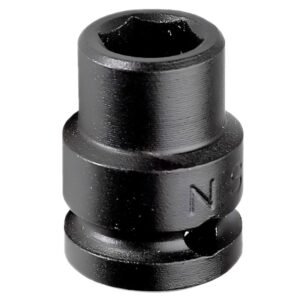
A Facom Standard Impact Socket is an example of a tool designed for high-torque work with compatible impact wrenches. Understanding impact socket construction, safe use and selection makes it easier to choose tools for professional work.
What Is a Standard Impact Socket?
A standard impact socket fits over a compatible nut or bolt head and connects to a powered impact wrench or another suitable square-drive tool. Its construction is intended to withstand the repeated torsional shocks generated by impact mechanisms. “Standard” usually describes its shorter, general-purpose length rather than a special fastening standard.
Unlike a deep socket, a standard-length version is often convenient when there is adequate access around a fastener but limited room behind the tool. Always check actual dimensions.
Why Should You Avoid Ordinary Chrome Sockets on Impact Wrenches?
Hand-tool sockets and impact sockets may look similar, but they are not designed for identical loads. Conventional chrome-finished hand sockets are normally intended for manual ratchets and controlled hand force. Repeated impacts can cause unsuitable sockets to fracture or fail.
Impact sockets commonly use heat-treated alloy steel, often chrome-molybdenum, with a protective black finish. Their geometry and material treatment help them tolerate impact loading. A dark finish alone does not establish impact suitability.
Why Does a Six-Point Socket Profile Matter?
A six-point, or hexagonal, socket engages the six flats of a hex-head fastener. A correctly sized profile can distribute contact more effectively and help reduce the chance of rounding corners during demanding removal work.
Other fasteners may require twelve-point or specialised shapes. Always identify the fastener profile and inspect worn or damaged heads before applying force.
Where Are Standard Impact Sockets Most Useful?
These tools are useful across many environments where repeated fastening work demands dependable torque transfer:
- Automotive servicing: Wheel-related work and compatible suspension or chassis fasteners.
- Plant maintenance: Machinery guards, brackets and serviceable mechanical assemblies.
- Agricultural repairs: Equipment exposed to dirt, vibration and changing workloads.
- Construction workshops: Repair and assembly of suitable mechanical connections.
- Production maintenance: Planned removal of fasteners during equipment servicing.
Follow the equipment manufacturer’s tightening specifications.
How Do You Choose the Correct Size and Drive?
Socket selection starts at the fastener, not the tool brand. Match the opening precisely to the nut or bolt, then confirm that the square drive fits the impact wrench. Do not substitute approximate metric or imperial sizes.
Consider these checks before working:
- Across-flats size: Choose the exact hex size to minimise slipping.
- Drive size: Check whether the tool uses 3/8-inch, 1/2-inch or another square drive.
- Socket length: Use standard or deep reach according to available clearance.
- Retention: Follow the tool maker’s instructions for compatible pins, rings or detent systems.
- Condition: Reject cracked, distorted or excessively worn sockets.
If a job involves frequent powered fastening, compare compatible Impact Wrenches with the socket drive and retention system before purchasing either component.
Can an Impact Socket Be Used With a Hand Ratchet?
Generally, an impact-rated socket can also be used with a compatible manual ratchet, provided the dimensions and intended use are suitable. The reverse should not be assumed: an ordinary hand socket should not be fitted to an impact wrench unless its manufacturer explicitly rates it for that application.
Impact tools do not automatically provide precise final tightening. Where a specified tightening value matters, use an appropriate calibrated torque tool and follow the relevant service procedure.
How Can You Use Impact Sockets More Safely?
Position the socket squarely over the fastener and keep the tool aligned with the drive axis. Use appropriate eye protection, secure the workpiece where necessary and keep hands clear of rotating components. Never use a visibly damaged socket or an improvised adaptor that is not rated for impact service.
Extensions, joints and retaining accessories must also be suited to the tool’s impact action. For workshops handling varied access challenges, Socket Accessories can provide useful options, but each accessory needs its own compatibility check before use.
What Maintenance Helps Impact Sockets Last Longer?
After use, wipe away dirt, grease and moisture, then inspect the drive opening and working profile. Store sockets where they cannot be mixed with damaged items or exposed unnecessarily to corrosive conditions. Check retaining grooves and holes for wear, particularly after repeated heavy-duty use.
A socket that slips, shows cracks or no longer fits correctly should be taken out of service. Never reshape a damaged socket by grinding or heating.
Frequently Asked Questions
Are Standard Impact Sockets Suitable for Wheel Nuts?
Yes, if the size, clearance, profile and impact rating match the application. Protect delicate wheel finishes and use the specified final tightening procedure.
Are Black Sockets Always Impact Rated?
No. Colour alone cannot confirm construction or safe use. Check the manufacturer’s description and markings.
Should I Choose Standard or Deep Impact Sockets?
Choose standard length for accessible fasteners and a deep design when studs or recessed nuts require additional reach. Verify dimensions first.
What Is the Best Approach to Building an Impact Socket Toolkit?
A practical collection prioritises commonly encountered fastener sizes, matching drive types and reliable retention rather than simply maximising the number of pieces. Organised Socket Sets can help workshops cover different tasks while keeping tools easy to inspect and replace. With the correct fit, safe operating technique and regular care, impact sockets become dependable everyday equipment for professional fastening work.