Explore how scissor lift manufacturers provide reliable lifting solutions for warehouses, factories and construction sites. Learn about types, features and benefits.
Introduction
Scissor lifts have become an essential part of modern industrial operations, providing safe and efficient solutions for lifting materials, equipment and personnel to different working heights. From manufacturing facilities and warehouses to construction sites and maintenance departments, these machines help businesses improve productivity while reducing manual handling efforts.
With increasing demand for advanced material handling equipment, businesses are looking for reliable scissor lift manufacturers that can provide durable, efficient and application-specific lifting solutions. Selecting the right manufacturer is important because equipment quality, lifting capacity, safety features and after-sales support directly influence long-term operational performance.
Whether a business requires a compact lifting platform for warehouse operations or a heavy-duty hydraulic scissor lift for industrial applications, understanding the available options can help make a better purchasing decision.
What Is a Scissor Lift?
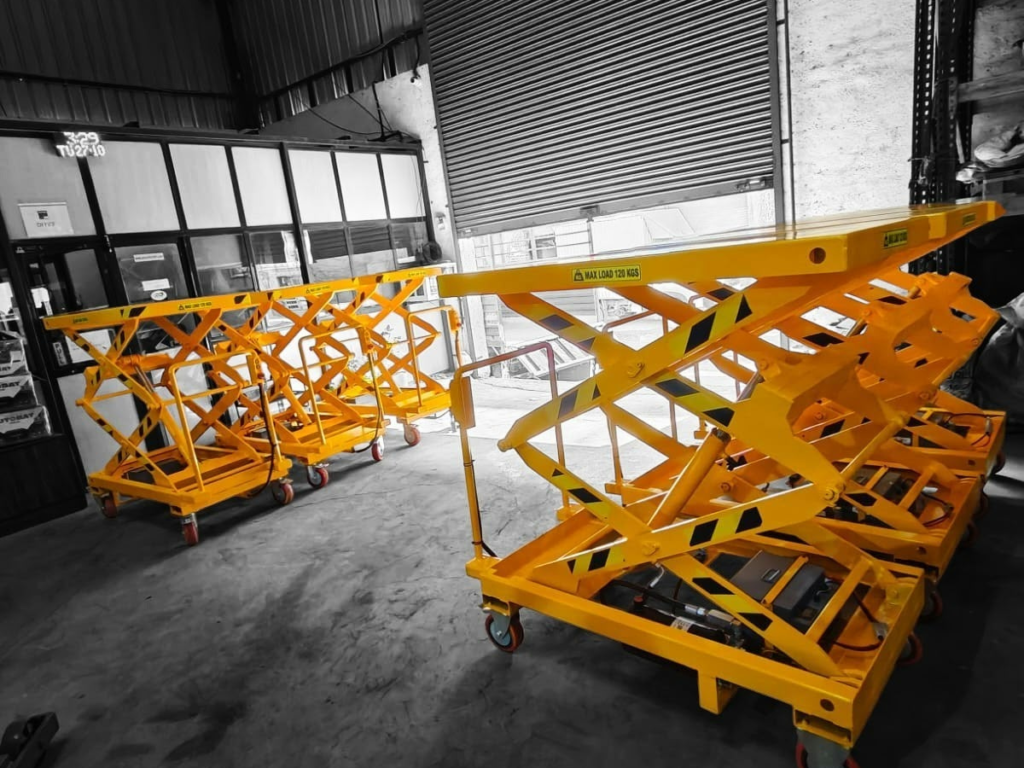
A scissor lift is a mechanical lifting platform designed to move materials or personnel vertically. It operates through a series of interconnected metal supports arranged in a crisscross pattern, commonly known as a scissor mechanism.
The platform moves upward and downward through hydraulic, electric or mechanical power systems. This mechanism provides stable vertical movement and allows operators to perform various tasks at different heights.
Scissor lifts are widely used for:
-
Loading and unloading industrial materials.
-
Assembly line operations.
-
Warehouse material handling.
-
Equipment maintenance and repair.
-
Construction and installation activities.
-
Raising heavy components to working heights.
Their versatility makes them suitable for industries that require dependable vertical lifting solutions.
Types of Scissor Lifts Available in the Market
Professional manufacturers offer different types of scissor lifts depending on application requirements, lifting capacity and operating conditions.
1. Hydraulic Scissor Lift
Hydraulic scissor lifts use hydraulic cylinders to raise and lower the platform. They are commonly used in manufacturing plants, warehouses and industrial facilities.
Their major advantages include smooth lifting operations, strong load-handling capabilities and reliable performance in demanding working environments.
2. Electric Scissor Lift
Electric scissor lifts use electrically powered systems to operate the lifting mechanism. These machines are suitable for indoor applications where controlled movement and reduced operational noise are important.
They can help businesses improve workplace efficiency while reducing dependence on manual lifting equipment.
3. Heavy-Duty Scissor Lift
Heavy-duty scissor lifts are designed for applications involving substantial loads and frequent lifting operations. They are commonly used in industrial production units, automotive facilities and material handling departments.
Before selecting a heavy-duty model, businesses should consider platform dimensions, maximum load capacity, lifting height and operating frequency.
4. Self-Propelled Scissor Lift
Self-propelled scissor lifts combine vertical lifting functionality with powered movement. They allow operators to move the equipment between working locations without manually repositioning the entire machine.
These models are particularly useful for construction, facility maintenance and industrial applications that require mobility.
Key Features to Check Before Buying a Scissor Lift
When comparing different lifting equipment options, businesses should focus on specifications that directly affect performance, safety and operational efficiency.
1. Load Capacity
Load capacity determines the maximum weight the platform can safely support. Buyers should calculate the combined weight of materials, tools and personnel, where applicable, and select equipment according to its rated capacity.
2. Lifting Height
The required lifting height depends on the application. Manufacturing facilities may require different lifting heights for assembly operations, while warehouses may need equipment for elevated maintenance and material positioning.
3. Platform Dimensions
Platform dimensions influence how comfortably materials, tools or workers can be accommodated. The available installation space and access routes should also be considered.
4. Hydraulic System Quality
For hydraulic models, the quality of cylinders, hoses, valves and power packs is important. A properly designed hydraulic system supports controlled lifting and lowering operations.
5. Safety Mechanisms
Safety features may include emergency stop switches, overload protection, mechanical safety locks, limit switches and emergency lowering arrangements. The exact requirements depend on the equipment design and intended application.
nal.res.in+1
Industrial Applications of Scissor Lifts
Scissor lifts support a wide range of industrial activities. Their ability to provide controlled vertical movement makes them useful in facilities where materials or work platforms need to be raised repeatedly.
Manufacturing Industries
Manufacturing plants use scissor lifts for component positioning, assembly operations and production line activities. They help workers access suitable working heights and reduce repetitive manual handling.
Warehousing and Logistics
Warehouses require efficient material movement and organised storage operations. Scissor lift tables can assist with pallet positioning, loading and unloading, and transferring goods between different working levels.
Automotive Industries
Automotive facilities use lifting platforms for component handling, maintenance and assembly-related activities. Suitable lifting equipment can improve access to different vehicle components.
Construction and Infrastructure
Construction projects frequently involve elevated installation, inspection and maintenance work. Appropriate mobile scissor lifts provide vertical access for these activities, subject to site conditions and equipment suitability.
Engineering and Maintenance Facilities
Engineering workshops use scissor lifts to position machinery components, support maintenance activities and handle materials at different heights.
How to Choose the Right Scissor Lift Manufacturer
Selecting the right manufacturing partner is an important step for businesses investing in industrial lifting equipment. Instead of comparing products only on price, buyers should evaluate the manufacturer’s technical capabilities and ability to understand their application.
Here are some important considerations:
-
Manufacturing experience: Check the company’s experience in designing and supplying industrial lifting equipment.
-
Product quality: Review the construction materials, hydraulic components and overall equipment design.
-
Customisation options: Some industrial applications require specific platform dimensions, lifting heights or load capacities.
-
Technical assistance: Reliable technical support helps businesses understand equipment specifications and operating requirements.
-
After-sales service: Maintenance assistance and spare parts availability can help minimise unexpected downtime.
-
Safety documentation: Request operating instructions, rated load information, inspection requirements and relevant compliance documentation.
A manufacturer that understands industrial requirements can help businesses select equipment that fits their operational needs rather than relying on a standard solution for every application.
Why Quality Matters in Industrial Lifting Equipment
Industrial lifting equipment operates in demanding environments where reliability and consistency are important. Poorly selected equipment can create operational challenges, increase maintenance requirements and affect workplace productivity.
Investing in properly designed lifting equipment offers several advantages:
-
Improves material positioning and handling efficiency.
-
Reduces repetitive manual lifting activities.
-
Supports organised production workflows.
-
Helps improve access to elevated work areas.
-
Reduces unnecessary material movement.
-
Supports consistent industrial operations.
However, these benefits depend on selecting the correct equipment, following rated load limits, conducting regular inspections and ensuring operators are adequately trained.
Maintenance Tips to Improve Scissor Lift Performance
Regular maintenance helps maintain equipment performance and identify potential problems before they affect operations.
Consider the following maintenance practices:
-
Inspect hydraulic components: Check cylinders, hoses and connections for leakage or visible damage.
-
Examine the lifting mechanism: Inspect scissor arms, joints and pivot points for unusual wear.
-
Check electrical systems: For electric models, inspect batteries, wiring, charging systems and operating controls.
-
Test safety devices: Verify that emergency stops, safety locks and lowering mechanisms function correctly.
-
Follow service schedules: Perform maintenance according to the manufacturer’s instructions.
-
Maintain operating records: Record inspections, servicing activities and equipment repairs.
Only trained and authorised personnel should carry out maintenance and inspection activities according to the manufacturer’s procedures.
Conclusion
Scissor lifts have an important role in modern industrial environments, helping businesses manage vertical lifting requirements across manufacturing, warehousing, automotive, construction and engineering applications.
Choosing the right equipment requires careful consideration of load capacity, lifting height, platform dimensions, hydraulic performance, safety mechanisms and maintenance requirements. Businesses should also evaluate manufacturing experience, customisation capabilities and after-sales support before making a purchasing decision.
Working with an experienced material handling equipment manufacturer can help businesses identify suitable lifting solutions for their operational requirements. Companies such as Avcon Systems, which focuses on material handling equipment, are relevant to businesses exploring industrial lifting and material movement solutions in India.
Ultimately, the right lifting equipment is not simply a purchase; it is a long-term investment in workplace efficiency, organised material handling and reliable industrial operations.