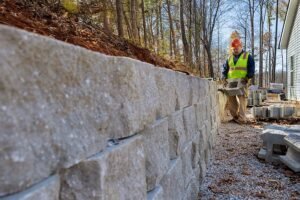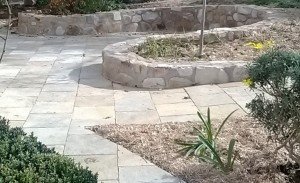
Creating a beautiful and functional outdoor space requires more than just choosing plants and paving materials. For properties with slopes, uneven ground, or soil erosion concerns, a well-designed retaining wall can transform the landscape while improving stability. Among the many materials available, retaining wall rock has become a popular option across Australia due to its natural appearance, strength, and ability to blend seamlessly with outdoor environments.
From residential gardens to large acreage properties, rock retaining walls provide both practical support and timeless visual appeal. They help manage soil movement, create usable garden levels, and add a unique feature that complements Australian landscapes.
Why Choose Retaining Wall Rock for Your Landscape?
Natural rock has been used in landscaping for generations because of its durability and organic beauty. Unlike manufactured materials that can look artificial, rocks create a natural connection between your garden and the surrounding environment.
One of the biggest advantages of retaining wall rock is its ability to handle challenging outdoor conditions. Australian gardens often experience strong sunlight, heavy rainfall, and changing soil conditions. Quality rock materials can withstand these elements while maintaining their structure and appearance for many years.
Rock retaining walls are also highly versatile. They can be used for:
- Creating garden terraces on sloped blocks
- Preventing soil erosion
- Supporting raised garden beds
- Improving outdoor property design
- Adding natural texture to landscaping projects
A properly designed retaining wall does more than hold soil in place; it becomes an important part of the overall landscape design.
Different Types of Rock Used for Retaining Walls
Natural Stone and Boulder Walls
Large natural boulders are commonly used for properties that require a strong and rustic appearance. These rocks provide excellent weight and stability, making them suitable for larger landscape areas where a natural finish is preferred.
Boulder retaining walls work especially well on rural properties, gardens with native plants, and outdoor spaces designed to create an earthy atmosphere. The irregular shapes of the rocks create a unique finish because every wall has its own character.
Sandstone Retaining Walls
Sandstone is another popular choice in Australia because of its warm colours and classic appearance. It works well with modern homes, coastal landscapes, and traditional gardens.
Sandstone blocks can create a more structured look compared with random rocks while still maintaining a natural feel. They are often chosen for decorative garden walls, feature areas, and landscape upgrades.
Dry Stack Rock Walls
Dry stacking involves carefully placing rocks without traditional mortar. This method creates a natural-looking wall with excellent drainage because water can move through small spaces between the stones.
A professionally built dry stack wall requires careful rock selection and placement to ensure long-term strength and stability.
Benefits of Installing a Rock Retaining Wall in Australia
Long-Lasting Durability
One of the main reasons homeowners choose rock walls is their impressive lifespan. Natural stone can withstand outdoor conditions better than many temporary landscaping materials.
When installed correctly with proper drainage and a strong foundation, a rock retaining wall can remain attractive and functional for decades.
Natural Beauty and Unique Design
Every piece of stone has different colours, textures, and shapes. This allows landscaping professionals to create a feature that feels connected to the natural surroundings.
Whether you prefer a rustic garden style or a premium outdoor design, rocks can be arranged to match your property’s character.
Better Drainage Performance
Water management is an important factor in any retaining wall project. Poor drainage can increase pressure behind the wall and affect its stability.
Many rock wall designs naturally allow water movement, helping reduce moisture buildup behind the structure. Additional drainage solutions may also be included depending on the site requirements.
Low Maintenance Landscaping Solution
Once properly installed, rock walls generally require minimal maintenance compared with some other retaining wall options. They do not need regular painting, staining, or replacement of damaged sections.
Occasional cleaning, checking for plant growth, and inspecting drainage areas can help maintain the wall’s appearance.
Factors to Consider Before Building a Rock Retaining Wall
Before choosing retaining wall rock for your property, several factors should be considered:
Site Conditions
The slope, soil type, and available space will influence the best wall design. A professional assessment can help determine the right approach for your landscape.
Rock Selection
Different rocks offer different colours, sizes, and textures. Choosing the right material ensures your wall matches your home and surrounding garden.
Professional Installation
Although small decorative walls may seem simple, larger retaining walls require careful planning. Correct placement, foundation preparation, and drainage are essential for safety and durability.
Working with experienced retaining wall specialists ensures your project is built to suit Australian conditions and local requirements.
Enhance Your Outdoor Space with Expert Rock Wall Landscaping
A beautifully constructed rock retaining wall can completely change the appearance and functionality of your property. It provides structural support while creating an attractive feature that increases outdoor enjoyment.
If you are planning a landscaping project, consider professional advice to choose the right materials, design, and construction method. A well-built rock wall can provide lasting value while adding natural beauty to your garden.
Conclusion
Retaining wall rock is an excellent choice for Australian landscapes where durability, natural appearance, and functionality are important. Whether you need erosion control, garden terraces, or a stunning outdoor feature, rock walls offer a practical and attractive solution.
With the right design, quality materials, and professional installation, a rock retaining wall can enhance your property for many years. Contact experienced retaining wall specialists today to discuss your landscaping ideas and create a strong, natural-looking outdoor space.
FAQs About Retaining Wall Rock
1. Is retaining wall rock suitable for Australian weather conditions?
Yes. Natural rocks are highly durable and can handle Australia’s changing weather conditions, including heat, rain, and outdoor exposure.
2. How long does a rock retaining wall last?
A professionally installed rock retaining wall can last for many decades when built with proper foundations, drainage, and suitable materials.
3. What types of rocks are used for retaining walls?
Common options include sandstone, granite, bush rock, bluestone, and large landscaping boulders. The best choice depends on your design goals and site conditions.
4. Are rock retaining walls expensive?
The cost depends on factors such as wall size, rock type, site access, and installation requirements. Larger stones and complex designs may require additional labour and equipment.
5. Can rock retaining walls prevent soil erosion?
Yes. When correctly designed, rock retaining walls help stabilise slopes, control soil movement, and reduce erosion in landscaped areas.