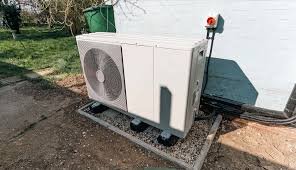
The Boiler Upgrade Scheme Grant can help eligible households in England and Wales reduce the upfront cost of installing a low-carbon heating system. If you are considering replacing an older heating system with a heat pump, understanding the eligibility rules is an important first step. The scheme is designed to support homeowners and certain property owners with the cost of moving towards cleaner heating technology. However, not every property or heating system will qualify. This guide explains the main requirements, what type of homes may be eligible, how the application process works, and what you should check before arranging an installation.
What Is the Boiler Upgrade Scheme?
The Boiler Upgrade Scheme (BUS) is a UK government scheme intended to encourage the installation of low-carbon heating systems in eligible properties in England and Wales.
Rather than providing funding for a standard gas or oil boiler replacement, the scheme focuses primarily on technologies such as:
- Air source heat pumps
- Ground source heat pumps
- Certain water source heat pumps
- In some circumstances, eligible biomass boilers
The purpose is to make these heating technologies more affordable for households while supporting the transition away from fossil-fuel heating.
The exact grant amount and eligibility requirements can change, so homeowners should check the current government guidance before making financial decisions.
Who Can Apply for the Boiler Upgrade Scheme?
One of the first questions homeowners ask is whether they personally qualify. Generally, the scheme is aimed at property owners rather than tenants simply replacing a heating system themselves.
Potential applicants may include:
- Homeowners
- Private landlords
- Certain property owners in England and Wales
- Owners of eligible domestic properties
- Owners of eligible small non-domestic properties, where applicable
If you are renting a property, the situation can be different because the property owner or landlord may need to make the application and arrange the installation.
It is also important to understand that meeting the homeowner requirement alone does not automatically mean your property qualifies. The property and proposed heating system must also satisfy the scheme’s technical conditions.
What Heating Systems Are Covered?
The Boiler Upgrade Scheme is not intended to fund an ordinary replacement gas boiler with another gas boiler.
Instead, eligible low-carbon heating technologies can include:
Air Source Heat Pumps
Air source heat pumps extract heat from the outside air and use it to provide heating and hot water for a property.
They are one of the most common technologies associated with the scheme and may be suitable for many different types of homes, depending on the property’s insulation, heating requirements and available space.
Ground Source Heat Pumps
Ground source heat pumps use heat stored in the ground. They can be highly effective but normally require suitable outdoor space for ground loops or related equipment.
Because installation can be more involved than an air source system, property suitability needs to be assessed carefully.
Biomass Boilers
Certain biomass boiler installations may qualify under the scheme, although additional conditions can apply. For example, there may be requirements concerning the type of property and heating system.
Because eligibility rules can change, it is sensible to confirm the latest requirements before planning a biomass installation.
Does Your Property Need to Meet Specific Requirements?
Yes. Property eligibility is an important part of the process.
Your home may need to meet specific requirements relating to its location, heating system, ownership and the type of low-carbon technology being installed.
Before making an application, consider:
- Is the property located in England or Wales?
- Do you own the property?
- Is the proposed heating system eligible?
- Is the existing heating system suitable for replacement?
- Does the property meet the relevant technical requirements?
- Is the installer eligible to participate in the scheme?
- Does the planned installation meet the required standards?
These checks can help prevent homeowners from committing to an installation before discovering that the project does not meet the scheme’s conditions.
Can an Existing Boiler Be Replaced?
In many cases, the purpose of the scheme is to encourage homeowners to move from an existing fossil-fuel heating system to an eligible low-carbon alternative.
However, replacing an old boiler is not simply a matter of removing the existing unit and installing a heat pump.
A heat pump works differently from a conventional boiler, so the heating system may need to be assessed as a whole.
For example, an installer may need to consider:
- Heat loss from the property
- Existing radiators
- Insulation levels
- Hot water requirements
- Available outdoor space
- Electrical requirements
- The property’s heating demand
This assessment helps determine whether the proposed system can provide appropriate heating performance.
Why Is a Property Assessment Important?
A professional property assessment can identify potential issues before installation begins.
Older homes, for example, may have higher heat losses because of older windows, doors, walls or roof insulation. Improving insulation can sometimes make a property more suitable for a low-temperature heating system.
An assessment may look at:
Insulation
Good insulation can reduce heat loss and help a heating system operate more efficiently.
Radiators
Some properties may require radiator upgrades because heat pumps generally operate differently from traditional high-temperature boilers.
Space
An air source heat pump normally requires appropriate external space, while other equipment may need to be installed inside the property.
Hot Water
The installer should consider how domestic hot water will be produced and whether sufficient space exists for the necessary equipment.
How to Check Your Heating Upgrade Eligibility
If you are unsure whether your property meets the requirements, start by gathering basic information about your home and current heating system.
Useful information can include:
- Property ownership details
- Property location
- Current heating system
- Approximate property age
- Existing insulation
- Current energy setup
- Preferred heating technology
- Information about previous heating upgrades
A professional eligibility assessment can then help identify whether your project appears suitable.
If you are specifically looking for a separate service that checks whether your property meets heating-upgrade requirements, you can Get Heat Pump Grant Eligibility through boiler upgrade scheme assessment services before moving forward with installation. This type of assessment should be clearly distinguished from the actual grant application and installation process.
What About EPC Requirements?
Energy Performance Certificates (EPCs) can be relevant when determining eligibility for certain properties and circumstances.
An EPC provides information about a property’s energy efficiency and includes recommendations for potential improvements.
However, homeowners should not assume that simply having an EPC means they automatically qualify for the scheme.
The current government eligibility requirements should always be checked because specific conditions can apply to the property and proposed heating system.
How Does the Application Process Work?
The process is generally handled with the involvement of an eligible installer.
A typical journey may include:
- Initial eligibility check
Your property and proposed heating system are assessed. - Property survey
The installer evaluates the home’s heating requirements and suitability. - System recommendation
A suitable low-carbon heating solution is selected. - Grant application
The installer handles the relevant scheme application process where applicable. - Installation
Once the necessary requirements are satisfied, the heating system can be installed. - Grant deduction
Where approved, the applicable grant can contribute towards the installation cost.
Homeowners should ask the installer to explain exactly how the grant affects the quoted price.
What Costs Should You Still Expect?
A grant does not necessarily mean that the entire installation will be free.
You may still need to pay for costs that are not covered by the scheme, depending on the property and installation.
Potential costs can include:
- Additional insulation work
- Radiator replacements
- Electrical upgrades
- Pipework modifications
- Additional equipment
- Complex installation work
- System upgrades outside the grant’s eligible scope
For this reason, obtaining a detailed quotation before approving the work is important.
Common Reasons a Home May Not Qualify
Not every property will meet the scheme requirements.
Potential issues may include:
- The proposed heating system is not covered by the scheme.
- The property does not meet the relevant eligibility conditions.
- The installation does not meet required technical standards.
- The installer is not eligible to participate.
- The property requires work that makes the proposed installation unsuitable.
- The application does not meet the scheme’s current rules.
If your property does not qualify, that does not necessarily mean a heat pump or another low-carbon system cannot be installed. It simply means you should explore the available options and funding separately.
How to Prepare Before Applying
A little preparation can make the process easier.
Before contacting an installer, consider making a list of:
- Your current heating system
- Approximate age of your boiler
- Property type
- Number of bedrooms
- Current insulation
- EPC information
- Available outdoor space
- Recent heating bills
- Any previous heating improvements
Having this information available can help an installer understand your requirements more quickly.
Most importantly, do not choose an installer solely because they advertise a grant. Check that they are appropriately qualified and authorised to carry out the relevant work.
Final Thoughts
The Boiler Upgrade Scheme can provide valuable financial support for eligible homeowners considering a move towards low-carbon heating. However, eligibility depends on more than simply owning a home or having an old boiler. The property, existing heating system, proposed technology, installer and installation requirements all need to be considered.
Before committing to a heating upgrade, arrange a proper assessment, review the latest scheme requirements and obtain a clear quotation. Taking these steps can help you understand both your potential eligibility and the overall cost of upgrading your home’s heating system.
Frequently Asked Questions
1. What is the Boiler Upgrade Scheme?
The Boiler Upgrade Scheme is a government-supported scheme designed to help eligible property owners in England and Wales with the cost of installing certain low-carbon heating systems.
2. Can I get a grant to replace my gas boiler?
The scheme is primarily focused on eligible low-carbon heating technologies rather than simply replacing one conventional gas boiler with another. Eligibility depends on the proposed system and the property’s circumstances.
3. Do I need to own my home to apply?
The scheme is generally aimed at property owners, including eligible homeowners and certain landlords. Specific requirements can apply depending on the property.
4. Can an old house have a heat pump?
Yes, an older property can potentially have a heat pump. However, its suitability depends on factors such as insulation, heat loss, radiators, available space and the property’s overall heating requirements.
5. Does an EPC guarantee eligibility?
No. An EPC can be relevant to the assessment, but having an EPC does not automatically guarantee that a property qualifies for the Boiler Upgrade Scheme.
6. How can I find out whether my home is eligible?
Start with an eligibility assessment from an appropriately qualified installer or heating professional. They can review your property, existing heating system and proposed technology against the current scheme requirements.