Northeast Ohio homeowners know that weather can change quickly. Heavy rain, strong winds, snow, ice, freezing temperatures, and summer heat can all affect a home’s exterior. Protecting your property starts with understanding how these conditions affect the roof, siding, gutters, windows, and other exterior components.
A proactive approach to exterior home protection can help you catch problems earlier, reduce unnecessary repairs, and keep your home looking and functioning properly through every season.
Start With the Roof
Your roof takes the brunt of Northeast Ohio’s weather. Rain, snow, ice, wind, and temperature changes can gradually wear down roofing materials, while severe storms can cause more immediate damage.
Look for warning signs such as missing or damaged shingles, loose flashing, visible wear, dark areas, sagging sections, or water stains inside the home. You should also pay attention to leaks around chimneys, vents, skylights, and other roof penetrations.
A professional inspection can identify problems that are difficult to see from the ground. The U.S. Department of Energy explains that effective roof assemblies should be designed to manage water and direct it away from vulnerable areas of the building.
Regular roof maintenance in Mentor can help you address small concerns before they develop into larger problems.
If you notice damage after a storm, avoid climbing onto the roof yourself. A professional can evaluate the condition safely and determine whether repairs or replacement are appropriate.
Keep Gutters and Downspouts Working
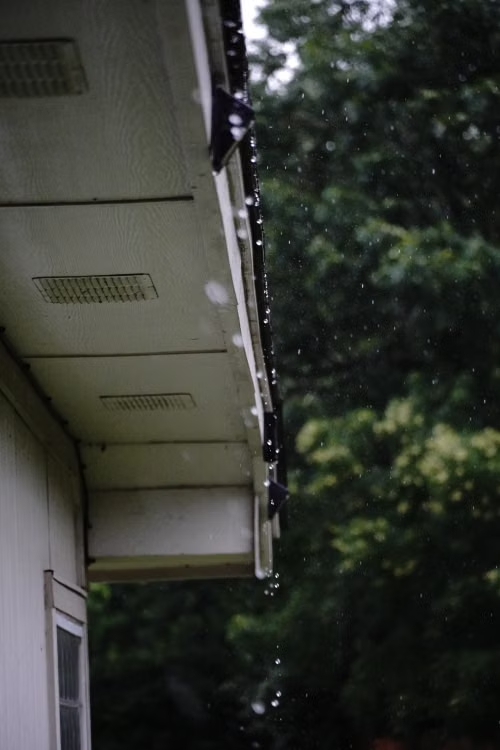
Gutters are an important part of your home’s water-management system. They collect water from the roof and direct it toward downspouts, which should move that water away from the foundation.
When gutters become clogged, loose, cracked, or improperly positioned, water can overflow against siding, landscaping, windows, and foundation areas.
The U.S. Department of Energy’s Midwest Weatherization Best Practices Field Guide recommends making sure drainage directs water away from the foundation. It also notes that gutters and downspouts can help collect rainwater and distribute it away from the home.
Homeowners should inspect gutters in spring and fall and check them again after major storms. Look for:
- Sagging sections
- Loose fasteners
- Leaking seams
- Standing water
- Overflow during rainfall
- Damaged downspouts
- Water collecting near the foundation
If your system has reached the end of its useful life, professional gutter installation in Mentor can improve drainage and reduce ongoing maintenance concerns.
Walker Roofing & Construction provides gutter installation and gutter system services designed to help manage water around Northeast Ohio homes.

Pay Attention to Your Siding
Siding is another important layer of protection. It helps shield the wall system from rain, wind, moisture, and temperature changes while contributing to the appearance of your home.
Walk around your property periodically and look for cracked, loose, warped, or missing siding. Pay special attention to areas around windows, doors, roof intersections, and corners.
Small openings can allow moisture to reach the layers underneath the siding. Exterior wall cladding systems can allow some water intrusion, which is why properly designed drainage and water-resistant barriers are important behind exterior finishes.
If you see damaged panels, don’t automatically assume the entire exterior needs replacement. The extent of the damage and the condition of the surrounding materials should be evaluated first.
For homeowners dealing with deteriorated exterior materials, Walker Roofing & Construction’s siding services include siding installation and repair options for Northeast Ohio properties.
Check Windows, Doors, and Exterior Openings
Your home’s roof and siding receive most of the attention, but windows and doors also need seasonal inspection.
Check for cracked caulking, damaged weatherstripping, gaps around frames, and signs of moisture. These areas can become particularly vulnerable during heavy rain and winter weather.
The Federal Emergency Management Agency recommends preparing homes for winter conditions by using insulation, caulking, and weather stripping around vulnerable areas.
Replacing worn weatherstripping or sealing small gaps can be a simple maintenance task. Larger problems, such as water intrusion or deteriorating frames, may require professional attention.
Prepare Before Winter Arrives
Winter preparation should begin before the first major snowfall.
Clean your gutters, inspect the roof, check downspouts, trim branches that could fall onto the home, and look for damaged siding or exterior openings.
FEMA’s winter storm guidance specifically recommends clearing rain gutters, checking the roof’s ability to handle snow and ice, and addressing roof leaks before severe winter weather arrives.
You should also make sure snow and ice have somewhere to drain once temperatures rise. Poor drainage can contribute to moisture problems around the roof and foundation.
Ice dams are another concern during winter. They form when melting snow refreezes near the roof edge and prevents water from draining normally. The University of Minnesota Extension provides additional information about preventing and addressing ice dams and other moisture problems around the home.
Inspect After Severe Weather
Storm preparation is important, but so is what you do afterward.
After strong winds, heavy rain, hail, or snow, walk around the property when conditions are safe. Look for missing shingles, damaged siding, fallen branches, detached gutters, bent flashing, or other visible changes.
You may not be able to identify every problem from the ground. If something looks unusual, arrange a professional inspection instead of waiting for an interior leak to reveal the damage.
Walker Roofing & Construction provides roof repair services for homeowners dealing with damaged roofing systems and other roof concerns.
Don’t Ignore the Foundation and Drainage
Exterior protection continues all the way to the ground.
Water should drain away from the home instead of collecting alongside the foundation. Downspouts should discharge water far enough away to prevent concentrated runoff from repeatedly saturating the soil next to the foundation.
The Department of Energy recommends evaluating site drainage and ensuring that rainwater and snowmelt are directed away from the foundation.
Keep an eye on areas where water consistently pools after rainfall. If you notice erosion, persistent wet spots, or water moving toward the foundation, the drainage system may need attention.
Build a Seasonal Maintenance Routine
The easiest way to maintain your exterior is to make inspections part of your regular home routine.
In spring, check for winter damage to the roof, siding, gutters, and exterior openings. During summer, look for signs of moisture and heat-related wear. In fall, clean gutters, inspect drainage, and prepare for snow and freezing temperatures. After major storms, perform another visual inspection.
These small steps can make it easier to identify problems while they are still manageable.
Protect Your Home With Professional Exterior Services
Good maintenance starts with knowing what to look for, but some exterior problems require experienced professionals. Walker Roofing & Construction works with Northeast Ohio homeowners on roofing, gutters, siding, storm damage, and other exterior needs.
You can learn more about Walker Roofing & Construction and the company’s approach to workmanship, communication, and customer service.
The company provides roof repair along with other services designed to help homeowners maintain their properties through Northeast Ohio’s changing weather.
If your home needs exterior attention, explore Walker Roofing & Construction’s services to see available roofing, gutter, siding, and storm-damage solutions.
For a professional evaluation of your property, contact Walker Roofing & Construction and request an estimate. Taking action before a small exterior issue becomes a larger repair can help protect your home and your investment.