Have you ever noticed that one room in your house stays comfortable while another feels cold even when the heating system is running? Uneven indoor temperatures can have several causes, including air leaks, insulation gaps, duct issues, and differences in how rooms receive sunlight.
For homeowners in Decatur, Illinois, identifying the underlying cause is more useful than immediately purchasing additional insulation.
How Insulation Helps Regulate Indoor Temperatures
Insulation slows heat transfer through ceilings, walls, and floors. When coverage is inadequate or uneven, some parts of the house may lose heat faster than others during winter.
In summer, insufficient insulation can also allow outdoor heat to affect indoor comfort. This may place additional demand on cooling equipment, although the actual effect depends on the home’s construction, air leakage, and HVAC performance.
Common Areas Worth Inspecting
Attics: Missing, compressed, or unevenly distributed insulation can create weak spots in the thermal barrier. Air leaks around attic openings and service penetrations may contribute to the problem.
Exterior walls: Older wall cavities may have little insulation, or the material may be damaged by previous moisture exposure. Wall improvements require care because the correct method depends on the wall assembly.
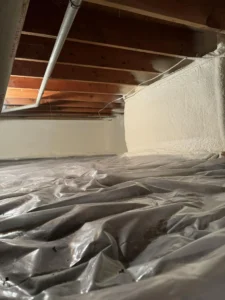
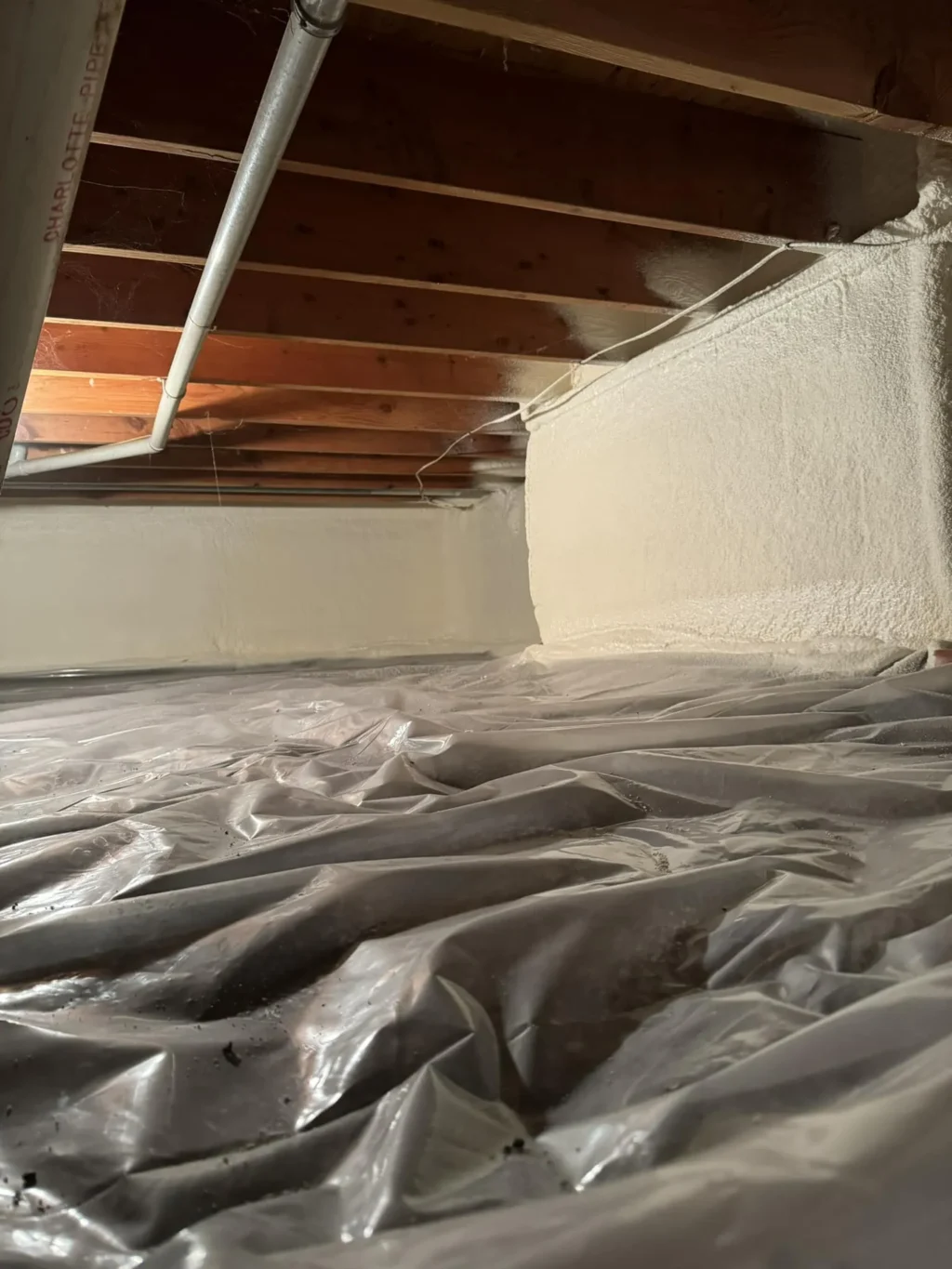
Floors and crawl spaces: Cold floors may be related to air movement, inadequate floor insulation, or moisture conditions beneath the home. A proper inspection helps determine which issue should be addressed first.
Select Materials Based on the Application
Cellulose, fiberglass, and spray foam are common insulation options, but they are not interchangeable in every situation. Each has different installation requirements and performance characteristics.
Spray foam can help control air leakage when installed correctly. Cellulose is often used in attic applications, while fiberglass is available in several forms for suitable cavities. The material should be selected based on the building design, moisture risks, and intended performance.
Before installing new insulation, resolve active water leaks and other moisture sources. Keep required ventilation pathways clear, and make sure the work is compatible with the home’s existing systems.
Take a Whole-Home Approach
A room-by-room assessment can reveal whether the issue is isolated or part of a larger building-envelope problem. This helps homeowners prioritize work instead of paying for upgrades that do not address the main cause.
If you are researching insulation services in Decatur, IL, start by identifying the areas that affect comfort most. A well-planned improvement can support more consistent temperatures and a more comfortable home throughout the changing seasons.