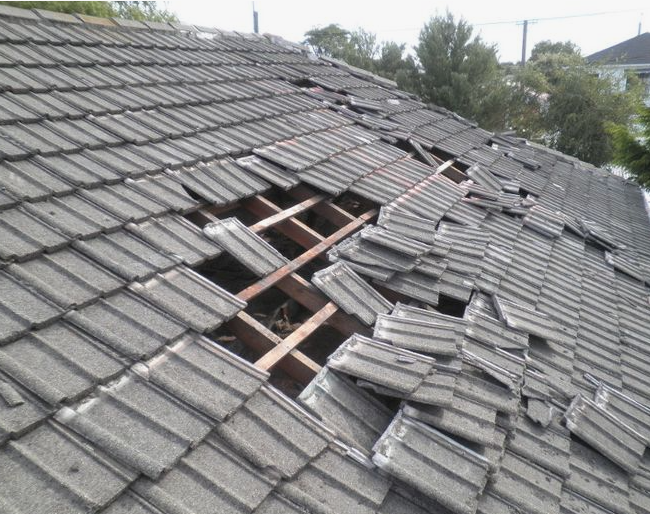
Severe weather can affect a roof in ways that are not always immediately visible. Hailstones can crack roofing materials, loosen protective surfaces, damage flashing, and create weak areas that may eventually allow moisture to enter the structure. Because some hail-related problems are difficult to identify from the ground, a professional hail damage roof inspection can help property owners understand the actual condition of their roofing system. Early assessment is particularly valuable after a significant storm because seemingly minor damage can become more extensive when exposed to repeated rain, wind, and temperature changes.
A proper inspection is not simply a search for obvious dents or missing materials. It involves evaluating the roof’s overall condition and determining whether individual components have been compromised. Homeowners, landlords, property managers, and business owners may all benefit from understanding how hail damage is identified, what an inspection typically involves, and which warning signs deserve attention. Knowing what to expect can also help property owners make informed decisions about repairs, maintenance, or replacement rather than reacting only after interior water damage develops.
Why Hail Can Be Harmful to Roofing Systems
Hail damage depends on several factors, including the size and density of the hailstones, wind speed, roofing material, roof age, and the angle at which hail strikes the surface. Asphalt shingles may develop bruised areas, granule loss, cracks, or exposed sections after repeated impact. Metal roofing can show dents or deformation, while softer components such as vents, skylights, gutters, and flashing may also be affected. Damage does not necessarily result in an immediate leak. Instead, the protective layers of the roof may become weakened, leaving the system more vulnerable to moisture over time. This is why a roof can appear functional immediately following a storm while still requiring professional evaluation.
Signs That Your Roof May Have Hail Damage
Some indications of hail damage can be observed without climbing onto the roof. Property owners may notice loose or damaged shingles, excessive granules around downspouts, dents in gutters or metal surfaces, damaged exterior fixtures, or marks on nearby outdoor equipment. However, visual evidence around the property does not always confirm the condition of the roof itself. Certain forms of damage are located in areas that cannot be safely or accurately examined from ground level. Interior signs can also provide important clues, including water stains on ceilings or walls, damp insulation, peeling paint, or unexplained moisture following rainfall. These symptoms should not automatically be attributed to hail, but they justify further investigation, especially when they appear after a severe storm.
What Happens During a Professional Roof Inspection
A professional inspection generally begins with an assessment of the property’s exterior and the roof’s overall condition. The inspector may examine shingles or other roofing materials, flashing, vents, penetrations, drainage components, edges, valleys, and areas that are particularly exposed to weather. Depending on the property and roof design, the inspection may also involve checking accessible attic spaces for signs of moisture or compromised components. The objective is to identify observable damage and determine whether it affects the roof’s ability to perform its protective function. Photographs and detailed documentation can be useful for recording findings and explaining recommended repairs. A careful inspection should distinguish storm-related damage from normal aging, previous repairs, installation problems, and ordinary wear.
Why Timing Matters After a Hailstorm
Scheduling an inspection soon after a major hailstorm can help property owners establish a clearer understanding of what happened to the roof. Waiting for a visible leak is not always advisable because water intrusion may occur after the roofing system has already been compromised for some time. Weather conditions between the storm and inspection can also contribute to deterioration, particularly if damaged materials remain exposed. Prompt assessment allows property owners to identify urgent issues and determine whether temporary protective measures or permanent repairs are appropriate. It can also provide useful documentation of the roof’s condition shortly after the event, which may be important when maintaining property records or discussing storm-related damage with relevant parties.
How Hail Damage Differs From Normal Roof Wear
One of the more important aspects of a hail inspection is separating storm-related impact from deterioration caused by age and environmental exposure. Roofing materials naturally change over time due to sunlight, temperature fluctuations, moisture, wind, and routine weather conditions. Granule loss, surface discoloration, cracking, or deterioration may therefore have multiple possible causes. Hail impact tends to produce specific physical patterns that an experienced professional can evaluate alongside the roof’s age, material type, previous condition, and surrounding evidence. Making this distinction matters because replacing a roof solely because it is old is different from addressing damage caused by a particular weather event. A detailed inspection should focus on observable evidence rather than assumptions.
Repair or Replacement: Understanding the Next Step
The appropriate response to hail damage depends on the severity, location, extent, and type of damage. A limited problem may be addressed through targeted repairs when the rest of the roofing system remains in suitable condition. More extensive damage can sometimes justify replacement, particularly when numerous areas are compromised or when the roof is already near the end of its expected service life. Property owners should avoid making a decision based solely on a single visible defect. A professional assessment should consider the roofing system as a whole, including the underlying structure and related components. Clear explanations of the findings can help owners understand why a particular repair or replacement approach has been recommended.
Protecting Your Property After Severe Weather
After a major hailstorm, safety should remain a priority. Property owners should avoid walking on a damaged or steep roof because loose materials and weakened surfaces can create fall hazards. Instead, observations should be made from safe locations while qualified professionals handle detailed roof assessments. It is also useful to inspect accessible areas around the property for signs of impact and to keep records of when severe weather occurred and when visible problems were first noticed. If water begins entering the building, addressing the source promptly can help reduce secondary damage to ceilings, insulation, walls, and interior finishes. Preventive maintenance and periodic professional inspections can further help identify vulnerabilities before another severe weather event exposes them.
Conclusion
A hail damage roof inspection provides property owners with valuable information about the condition of their roofing system after severe weather. Because hail damage is not always obvious from the ground, professional evaluation can help identify compromised materials, distinguish storm damage from normal deterioration, and determine whether repair or replacement deserves consideration. Acting promptly after a significant storm can also help prevent minor problems from developing into more expensive moisture-related issues. The most practical approach is to prioritize safety, document visible concerns, arrange a qualified inspection, and base roofing decisions on the property’s actual condition rather than assumptions.