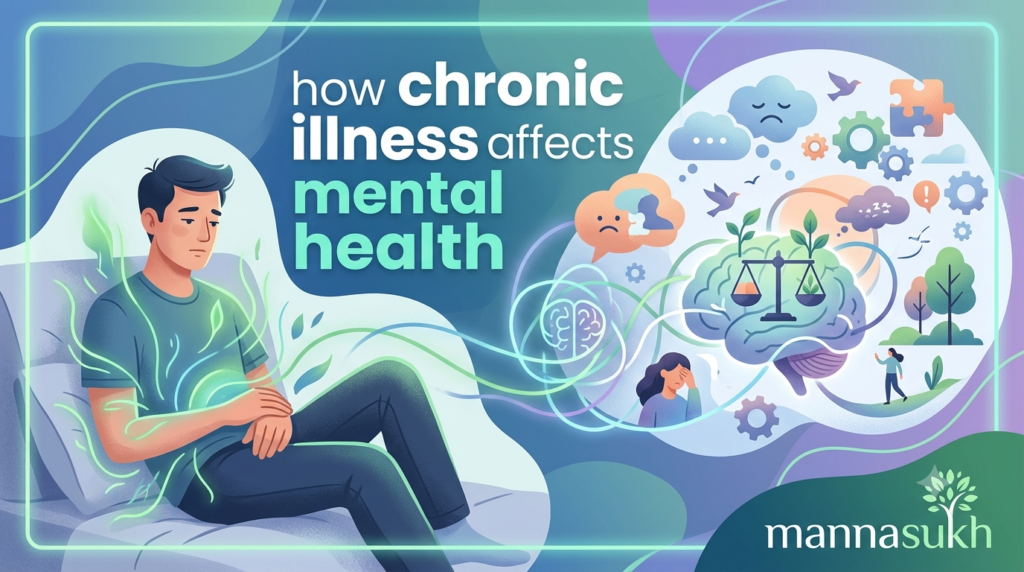
Living with a chronic illness or chronic disease is more than managing physical symptoms—it’s a profound journey that reshapes every aspect of life. From diabetes and arthritis to autoimmune disorders and heart conditions, millions of people navigate daily challenges that extend far beyond the physical realm. The psychological toll of ongoing medical conditions often goes unrecognized, yet it plays a critical role in overall health outcomes.
Understanding the connection between chronic illness and mental health is the first step toward comprehensive healing. Whether you’re personally affected or supporting a loved one, this guide explores the emotional landscape of chronic conditions and how chronic illness therapy can transform lives.
The Hidden Burden: How Chronic Illness Impacts Mental Health
The Emotional Rollercoaster of Diagnosis
Receiving a chronic illness diagnosis triggers a complex emotional response. Many individuals experience:
- Grief and Loss – Mourning the loss of health, independence, or future plans
- Anxiety and Uncertainty – Worrying about symptom progression, treatment outcomes, and financial implications
- Depression – Feeling overwhelmed by the permanence of the condition
- Identity Crisis – Struggling with self-concept and changed life roles
Research consistently shows that individuals with chronic diseases are significantly more likely to develop depression and anxiety disorders compared to the general population.
The Daily Psychological Impact
Living with chronic illness means facing ongoing stressors:
| Challenge | Mental Health Impact |
|---|---|
| Pain and fatigue | Irritability, reduced coping capacity |
| Medical appointments | Anxiety, time stress |
| Medication management | Overwhelm, fear of side effects |
| Social limitations | Isolation, loneliness |
| Financial strain | Depression, hopelessness |
| Uncertainty about the future | Anxiety, existential distress |
Why Chronic Illness Therapy Matters
Breaking the Cycle
Chronic illness and mental health exist in a bidirectional relationship. Poor mental health can:
- Worsen physical symptoms
- Reduce medication adherence
- Impair immune function
- Decrease quality of life
- Increase healthcare costs
Chronic illness therapy interrupts this cycle by addressing both physical and psychological dimensions simultaneously.
Evidence-Based Benefits
Studies demonstrate that individuals who engage in chronic illness counseling experience:
- Better symptom management – Learning coping strategies reduces perceived pain and discomfort
- Improved treatment adherence – Mental health support increases motivation to follow medical protocols
- Enhanced quality of life – Therapy helps find meaning and purpose despite limitations
- Stronger relationships – Counseling improves communication with family and healthcare providers
- Reduced healthcare utilization – Better mental health leads to fewer emergency interventions
Types of Chronic Illness Therapy
Cognitive Behavioral Therapy (CBT)
CBT is particularly effective for chronic illness because it helps individuals:
- Challenge negative thought patterns about their condition
- Develop problem-solving skills for daily challenges
- Build behavioral activation strategies to combat depression
- Learn relaxation techniques for pain management
Acceptance and Commitment Therapy (ACT)
ACT focuses on:
- Accepting difficult emotions rather than fighting them
- Clarifying personal values and meaning
- Committing to value-based actions despite limitations
- Developing psychological flexibility
Mindfulness-Based Therapies
Mindfulness approaches help individuals:
- Stay present rather than catastrophizing about the future
- Develop body awareness without judgment
- Reduce stress-related symptom flare-ups
- Cultivate self-compassion
Support Groups and Group Therapy
Connecting with others who share similar experiences provides:
- Validation and normalization of experiences
- Practical coping strategies from peers
- Reduced isolation and loneliness
- Hope through witnessing others’ resilience
Chronic Illness Counseling in India: What You Need to Know
The Growing Need
India faces a rising burden of chronic diseases, with conditions like diabetes, cardiovascular disease, and mental health disorders affecting millions. Despite this, awareness about chronic illness counseling India services remains limited.
Finding a Therapist for Chronic Illness in India
When seeking chronic illness therapy India, consider:
Qualifications to Look For:
- Licensed clinical psychologist or psychiatrist
- Specialized training in health psychology or chronic illness
- Experience with your specific condition
- Cultural competence and understanding of Indian healthcare context
Where to Find Help:
- Hospital-based psychology departments
- Private mental health clinics
- Online therapy platforms offering telehealth services
- Non-profit organizations focused on specific conditions
- Rehabilitation centers with integrated mental health services
Cost and Accessibility
Chronic illness therapy India options vary in cost:
- Government hospitals: Low-cost or free services
- Private practitioners: ₹500-3000 per session
- Online platforms: Often more affordable with subscription models
- NGO services: Frequently subsidized or free for low-income individuals
Self-Help Strategies for Emotional Well-Being
While professional chronic illness therapy is invaluable, these self-help strategies complement formal treatment:
1. Build Your Support Network
- Communicate openly with family and friends
- Join online communities for your specific condition
- Connect with local support groups
2. Practice Self-Compassion
- Treat yourself with the kindness you’d offer a friend
- Acknowledge that struggling is normal, not a personal failure
- Celebrate small victories and progress
3. Establish Routines
- Create predictable daily structures
- Balance activity with rest
- Prioritize sleep hygiene
4. Engage in Meaningful Activities
- Identify values-based activities you can still enjoy
- Adapt hobbies to accommodate limitations
- Find purpose through volunteering or mentoring
5. Develop Pain Management Skills
- Learn progressive muscle relaxation
- Practice guided imagery and visualization
- Explore gentle movement like yoga or tai chi
The Role of Family and Caregivers
Chronic illness affects entire family systems. Family members can support mental health by:
- Educating themselves about the condition and its psychological impact
- Listening without fixing – Sometimes presence matters more than solutions
- Encouraging professional help – Normalize seeking chronic illness counseling
- Maintaining open communication – Discuss needs, boundaries, and feelings
- Practicing self-care – Caregiver burnout is real and impacts everyone
When to Seek Professional Help
Consider reaching out to a therapist for chronic illness India if you experience:
- Persistent sadness or hopelessness lasting more than two weeks
- Anxiety that interferes with daily functioning
- Thoughts of self-harm or suicide
- Social withdrawal and isolation
- Significant changes in sleep or appetite
- Difficulty managing medical treatment
- Relationship strain related to illness
- Loss of interest in previously enjoyed activities
Conclusion
The intersection of chronic illness and mental health cannot be ignored. Comprehensive care must address both physical symptoms and emotional well-being. Chronic illness therapy offers evidence-based pathways to resilience, helping individuals not merely survive but thrive despite their conditions.
Whether through individual counseling, support groups, or online resources, help is available. In India, the landscape of chronic illness counseling India is expanding, making quality mental health support increasingly accessible.
Remember: Seeking help is not a sign of weakness—it’s a courageous step toward holistic healing. Your chronic illness is one part of your story, not the entirety of who you are. With the right support, you can build a meaningful, fulfilling life alongside your condition.
Frequently Asked Questions
Q: Can therapy really help with physical symptoms of chronic illness?
A: Yes. While therapy doesn’t cure physical conditions, it can reduce perceived pain, improve sleep, lower inflammation markers, and enhance overall functioning through stress reduction and coping skill development.
Q: How do I find a therapist who understands chronic illness?
A: Look for professionals with health psychology training, experience in medical settings, or specialization in your specific condition. Many therapists now list specializations online.
Q: Is online therapy effective for chronic illness counseling?
A: Absolutely. Telehealth offers accessibility for those with mobility limitations, fatigue, or geographic barriers. Research shows online therapy can be equally effective as in-person care.
Q: Will my doctor approve of me seeing a therapist?
A: Most medical professionals welcome integrated care. In fact, many physicians now refer patients to mental health professionals as part of comprehensive treatment plans.