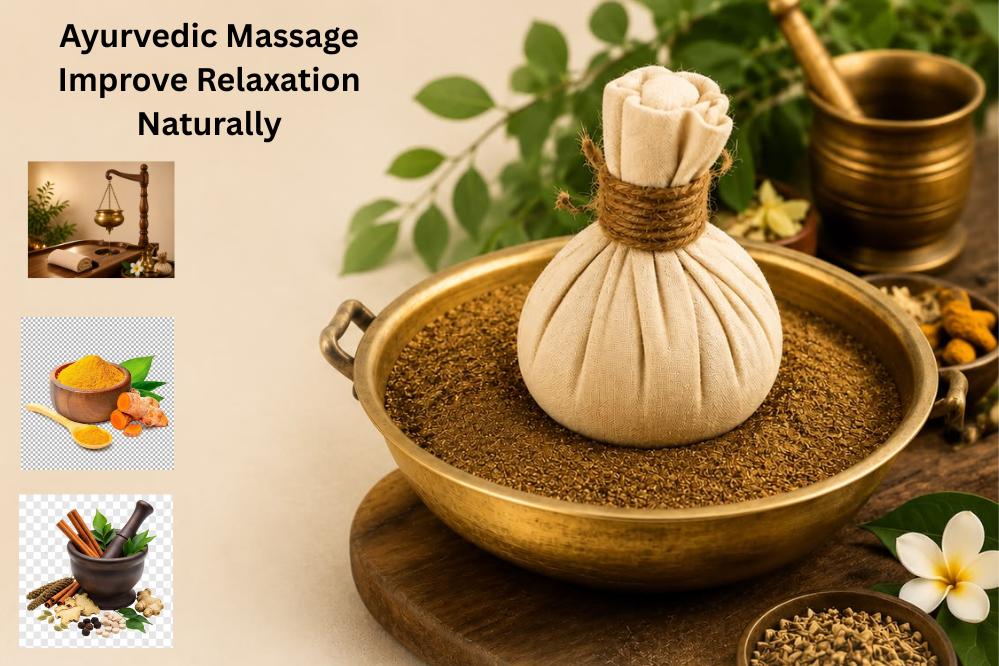
Modern lifestyles often involve long working hours, extended screen time, busy schedules, and constant responsibilities. These demands can make it difficult for the body and mind to fully relax. As a result, many wellness routines incorporate natural ways to create a sense of calm. Ayurvedic massage is one traditional approach that promotes relaxation through therapeutic touch, warm oils, gentle movements, and a peaceful environment.
Ayurvedic massage has been practiced within the broader Ayurvedic tradition for centuries. It is generally based on principles that consider the relationship between physical comfort, mental relaxation, daily routines, and overall wellness. Although individual experiences vary, massage may provide a soothing opportunity to step away from daily stress and reconnect with the body.
Understanding Ayurvedic Massage

Ayurvedic massage is a traditional practice associated with Ayurveda, an Indian system of traditional medicine. It commonly involves warm herbal oils and rhythmic massage techniques. The specific approach may vary according to the practitioner, the individual’s needs, and the type of massage provided.
Unlike a routine massage that may focus primarily on muscle manipulation, Ayurvedic massage often emphasizes a complete, relaxing experience. The atmosphere, oil application, massage movements, and pace can all contribute to a peaceful session.
A typical session may begin with a consultation about the person’s general wellness goals. The practitioner may then select suitable oils and techniques based on traditional Ayurvedic principles. Massage movements can range from gentle, slow strokes to more focused techniques, depending on the service.
How Ayurvedic Massage Supports Relaxation
Relaxation involves more than simply taking time away from work. The body also needs an opportunity to release physical tension while the mind moves away from constant activity. Massage can support this process through physical touch and a quiet environment.
During an Ayurvedic massage, repeated rhythmic movements may create a calming sensory experience. Warm oil applied to the skin can add comfort, while a peaceful setting and controlled breathing may further encourage relaxation.
The experience differs from person to person. Some people may notice a greater sense of physical ease, while others may value the quiet time and opportunity to disconnect from everyday responsibilities.
Notes : Ayurvedic Massage In Dubai had provided a calming wellness experience through traditional massage techniques, warm oils, and a peaceful setting. The sessions had encouraged relaxation and helped clients take time away from busy routines. For a soothing Ayurvedic wellness experience, contact Ayuzen Ayurvedic Clinic LLC and schedule your session.
The Role of Warm Herbal Oils
Oil application is an important part of many Ayurvedic massage practices. Traditional herbal oils may contain plant-based ingredients selected for a particular massage approach.
Warm oil can create a pleasant sensation and provide a smooth surface for massage movements. Its warmth may also make the experience feel more comforting and soothing.
The type of oil used can vary between treatments. When choosing an oil, practitioners may consider factors such as skin type, personal preferences, traditional Ayurvedic principles, and the purpose of the session.
Before a massage, it is important to tell the practitioner about any allergies, skin sensitivities, or other concerns. This information can help the practitioner choose products and techniques more appropriately.
Creating a Calm Mind Through Massage
Mental relaxation is an important part of the Ayurvedic massage experience. Modern routines may involve constant notifications, meetings, social media, and other forms of stimulation. Even when the body is resting, the mind may remain active.
A massage session provides dedicated time away from many of these distractions. Lying comfortably in a quiet environment and experiencing rhythmic massage can encourage a person to focus on the present moment.
For some people, taking a temporary break from digital devices and daily responsibilities can itself become an important relaxation practice. Regularly setting aside time for quiet wellness activities may also support a more balanced personal routine.
Supporting Physical Comfort
Physical tension can make relaxation more difficult. Sitting for long periods, repetitive movements, strenuous activities, and everyday stress may contribute to stiffness and discomfort.
Massage techniques are commonly used to work with soft tissues and provide a soothing physical experience. Ayurvedic massage may incorporate rhythmic strokes and pressure that help a person feel more comfortable during and after a session.
Massage should not be confused with medical treatment. People experiencing persistent pain, injuries, or unexplained physical symptoms should seek advice from a qualified healthcare professional rather than relying on massage alone.
Ayurvedic Massage and Self-Care
Self-care does not have to involve complicated routines. Adequate rest, balanced nutrition, physical activity, hydration, and time for relaxation can all contribute to general well-being.
Ayurvedic massage can be part of this broader approach to self-care. Rather than treating massage as an occasional luxury, some people choose to include it in their regular wellness routine.
The ideal frequency of massage depends on individual preferences, lifestyle, and professional guidance. No single schedule is suitable for everyone. A qualified practitioner can help determine an appropriate approach based on a person’s circumstances.
Choosing an Appropriate Ayurvedic Massage
Different Ayurvedic massage services may use different techniques, oils, and treatment approaches. Choosing an appropriate service begins with understanding the purpose of the session.
Someone seeking relaxation may prefer a gentle massage at a comfortable pace. Another person may be interested in a specific traditional Ayurvedic technique. Discussing expectations with the practitioner beforehand can help ensure that the session is appropriate.
It is also useful to consider hygiene, practitioner experience, the treatment environment, and communication. A professional setting should allow clients to ask questions and communicate comfortably throughout the session.
What to Expect During a Session
The exact process varies between wellness centers and practitioners, but many Ayurvedic massage sessions take place in a quiet, comfortable environment. The practitioner may discuss the client’s preferences before beginning.
Warm oil may then be applied as the practitioner uses controlled, rhythmic movements. Depending on the service, the session may focus on different areas of the body.
Clients should speak up if the pressure, temperature, or positioning feels uncomfortable. Open communication can help create a safer and more relaxing experience.
After the massage, some people prefer to rest briefly before returning to their usual activities. Following any aftercare instructions provided by the practitioner may also be helpful.
Making Relaxation Part of Everyday Life
Massage can provide dedicated relaxation time, but maintaining a calm lifestyle also depends on everyday habits. Short breaks during work, regular movement, mindful breathing, sufficient sleep, and reduced screen time before bed can complement other wellness practices.
Ayurvedic massage can therefore be viewed as one part of a broader relaxation routine. Combining professional massage with healthy daily habits may make it easier to create regular opportunities for rest and self-care.
Consistency can be more effective than occasional intensive efforts. A realistic routine that fits personal responsibilities is easier to maintain over time.
Conclusion
Ayuzen Ayurvedic Clinic LLC offers a traditional approach to relaxation that combines massage movements, warm oils, a peaceful environment, and dedicated time for self-care. Together, these elements can create a soothing experience that supports temporary physical and mental relaxation.
Although individual responses to massage vary, the practice can be incorporated into a broader wellness routine alongside healthy lifestyle habits. Choosing a qualified practitioner, communicating personal preferences, and selecting an appropriate massage approach can further improve the overall experience.
For people seeking a natural way to create dedicated relaxation time, Ayurvedic massage can provide a calming wellness experience while encouraging greater awareness of physical comfort and personal well-being.
For More Isightful Articles Related To This Topic, Feel Free To Visit : xuzpost