Why More Businesses Are Choosing Jib Cranes for Daily Lifting Tasks
I had no intentions of learning about jib cranes that day. I needed to go to a workshop because of a little project–a swift visit, check up a few things and go. I thought so at least.
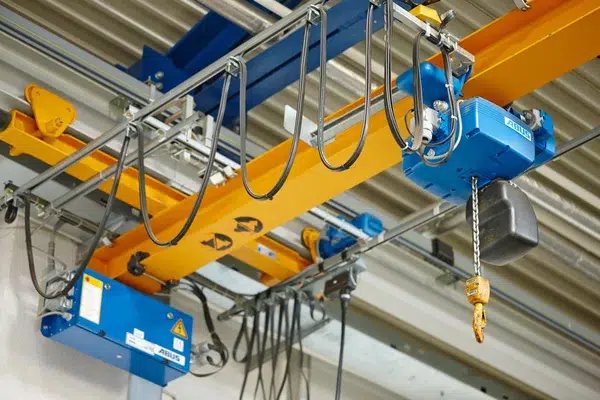
However, I noticed the arrangement when I entered. It was not a big industrial yard of the one having gigantic gantries. It was less and less general. And there, right close beside one of the workstations, was a little crane arm attached to a column–noiselessly at work. It was the first time I had a glance at jib cranes in action.
Initial impressions of the Workshop
The room was not too crowded. Machines clattering, tools scattered out, people bustling around with a purpose. It was not noisy like a commotion–rather all had its time.
The jib cranes were unique due to their subtlety. Not huge, not taking over the space, but ever in use. Sideways back and forth, pulling pieces, putting materials in the spot they had to be.
What I immediately saw was that everything ran smoothly. Nobody was toiling to pull anything up. No awkward movements. Steady, controlled handling.
Process Felt. Natural
I took some time just observing how things were. The procedure was not complex, yet specific.
The employees would hitch a load and drag it carefully and pull it over a little radius. It did not take much time, but it saved time. and it struck me–they are not cranes with any dramatic sense of heavy lifting, but cranes that take the commonplace burdens off.
Some common things I saw:
- Lifting medium-weight components onto workbenches
- Moving materials between stations without manual strain
- Supporting assembly tasks where precision matters
- Reducing repeated lifting in tight spaces
It all looked simple, but clearly made a difference.
A Small Interaction That Stuck With Me
At one point, I asked a worker if using a jib crane actually makes things faster. He paused for a second and said, “Not just faster—less tiring.”
That answer felt more honest than anything technical. He explained how before they had proper lifting support, even smaller tasks felt exhausting over time.
He also mentioned that once you get used to working with jib cranes, it’s hard to go back. That kind of stuck with me. It’s not just about efficiency—it’s about making work sustainable.
Actual Benefits I Didn’t Expect
Before this, I assumed cranes were mostly about handling massive loads. But seeing jib cranes in a real setup changed that idea.
Some practical benefits I noticed:
- Reduced physical strain on workers
- Faster movement of materials within a small area
- Better precision during placement
- Improved workflow without needing large equipment
- Ideal for workshops with limited space
It’s one of those things you don’t fully understand until you see it being used constantly.
Why Choose Jib Cranes in Smaller Setups
The more I observed, the more it made sense why businesses choose jib cranes for certain environments. Not every space needs a full overhead crane system.
The smaller workshops and production spaces need flexible operations instead of high-capacity systems. Jib cranes provide that balance because they combine their small size with their efficient performance and the requirement for no significant building modifications. The supervisors mentioned that existing systems can integrate the system better than other systems during our discussion.
Why Preferred (From What I Saw)
From what I could tell, these cranes are preferred because they just fit into daily operations without disrupting anything.
They’re not overcomplicated. They don’t take over the entire space. They simply support the work.
Someone casually mentioned Cranetec while discussing equipment and maintenance options. It came up naturally in conversation, like a familiar name in crane manufacturing and industrial lifting equipment, which says a lot about industry presence.
Final Thoughts
I didn’t expect to walk into a workshop and come out thinking about jib cranes, but here we are. It’s interesting how something so simple can have such a big impact on daily work.
They’re not flashy. They don’t stand out like large overhead crane systems. But they quietly improve efficiency, reduce effort, and make workflows smoother.
And honestly, that’s what makes them valuable. Not the size or power—but how seamlessly they fit into real work environments.
It made me realize that sometimes the most useful heavy material handling solutions aren’t the biggest ones—they’re the ones that just work, every single day, without making a big deal about it.