Painting a warehouse or office isn’t quite the same as painting a bedroom at home. There are bigger walls, higher ceilings, more people moving around, and usually a deadline that nobody wants to miss. The right equipment makes a real difference here. A good 18 inch paint roller, for example, can cover large wall sections much faster than a standard roller, saving time on jobs where every hour counts. But bigger tools aren’t always better for every task. Commercial painting requires a mix of rollers, brushes, extension poles, trays, and surface preparation equipment. Choosing the right combination helps crews work faster, get a cleaner finish, and avoid wasting paint along the way.
1. Wide Paint Rollers for Large Commercial Walls
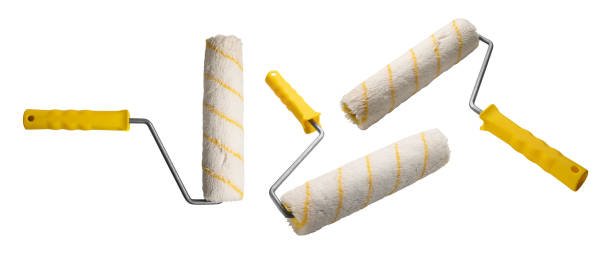
Warehouses, retail units, and office buildings often have long stretches of wall that need a consistent coat of paint. Using a small roller across these areas takes time, and the repeated overlaps can leave visible marks if the painter isn’t careful. Wider rollers are useful because they cover more surface with each pass. An 18-inch roller is particularly practical for broad, relatively flat walls where speed matters. It can reduce the number of passes required, which means less repetitive work for the crew. Still, a loaded wide roller gets heavy, especially during a long shift. Workers need to control the pressure and keep a steady pace. Otherwise, paint can build up at the edges or leave uneven coverage. For narrow sections, corners, and awkward spaces, a smaller roller is usually the sensible choice.
2. Choosing the Right Roller Cover for the Surface
The roller frame is only part of the equation. The cover, often called a sleeve or refill, affects how much paint gets picked up and how it looks once applied. Smooth office walls generally work well with short-nap covers, which help create a more even finish without leaving too much texture. Slightly rough surfaces may need a medium nap so the paint reaches small dips and uneven spots. Warehouse walls can be more demanding, especially when the concrete or masonry has a coarse finish. In those cases, a thicker nap may provide better coverage. Material matters, too. Synthetic roller covers are commonly used with many water-based paints, while other covers may suit specific coatings better. Always check the paint manufacturer’s recommendations. Buying the cheapest refill without considering the surface can lead to lint, patchy coverage, and extra work. Saving a few dollars upfront isn’t much of a win if the wall needs another coat.
3. Extension Poles for High Ceilings and Tall Walls
Many commercial spaces have ceilings that are too high for comfortable painting from floor level. Warehouses are the obvious example, but offices with tall stairwells, open reception areas, and exposed structural features can present similar problems. Extension poles let painters reach higher sections without constantly moving ladders. They can also make roller work less tiring when used at the correct length. The trick is finding a pole that feels stable and suits the job. A pole that’s too long becomes difficult to control, particularly when the roller is loaded with paint. Telescopic models are handy because their length can be adjusted as workers move between different areas. For very high ceilings or industrial structures, however, a standard extension pole isn’t a replacement for proper access equipment. Scaffolding, lifts, and suitable fall protection may be necessary. Safety should never become an afterthought just because the painting itself seems straightforward.
4. Paint Brushes for Edges, Corners, and Detailed Work
Rollers are excellent for open surfaces, but they aren’t designed to handle every part of a commercial painting job. Window frames, door edges, trim, pipes, corners, and the areas around electrical fittings need more precise control. Quality brushes help painters work around these details without splashing paint onto nearby surfaces. Angled brushes are particularly useful for cutting in along ceiling lines and painting clean edges beside contrasting colours. Flat brushes can work well on wider trim and other straight surfaces. Brush quality matters more than people sometimes expect. Cheap bristles may shed into fresh paint, while poorly shaped brush heads can make neat lines harder to achieve. The size should match the task, too. A large brush is useful for broad trim, but it can be clumsy around hinges or narrow frames. Keeping a few dependable brush sizes available is usually better than trying to make one tool handle everything.
5. Paint Trays, Buckets, and Other Essential Supplies
Good painting equipment includes more than the tools that touch the wall. Trays, roller grids, liners, mixing sticks, drop cloths, and masking materials all help keep a commercial job under control. Standard trays are convenient for smaller areas, but they can become annoying when a crew is painting hundreds of square metres. Five-gallon buckets with roller grids often make more sense for larger projects because they hold more paint and reduce the need for frequent refills. They can also be easier to manage when several workers are using the same coating. Meanwhile, floor coverings and masking tape protect finished surfaces, windows, electrical equipment, and furniture from splashes. This is especially important in active offices where not every room can be emptied before work begins. A little preparation saves cleanup time later, and nobody enjoys scraping dried paint off a floor that wasn’t supposed to be painted.
6. Surface Preparation Tools That Improve the Finish
Even expensive rollers and brushes won’t rescue a poorly prepared wall. Dust, grease, peeling paint, and small cracks can all affect how the new coating looks and how well it holds up. Commercial painters should have scrapers, sanding tools, filling knives, cleaning supplies, and suitable primers available before opening the paint tins. In warehouses, walls may collect dust from daily operations, while office surfaces can have marks from furniture, fingerprints, and regular contact. These problems need different levels of cleaning and preparation. Damaged areas should be repaired, loose paint removed, and surfaces allowed to dry before painting starts. Priming may also be necessary when covering stains, working on bare material, or changing from a dark colour to a lighter one. Skipping preparation might save half an hour today, but it can create peeling or uneven colour that costs much more to correct later.
7. Matching Brush Sizes to Finishing Tasks
For smaller finishing jobs, having the right brush sizes close at hand makes the work less frustrating. 1 ½ inch paint brushes can be useful for narrow trim, tight corners, smaller frames, and areas where a wider brush would leave too much paint behind. They also give painters better control around fixtures and edges that need a careful finish. Of course, brush width isn’t the only thing to consider. Bristle type, handle comfort, and paint compatibility all affect performance. Angled brushes can help with precision, while straight-edged options may suit certain flat surfaces. On a large commercial project, workers often switch between brushes several times during a shift. Keeping them clean and storing them properly helps maintain their shape, which is important when the same tools will be used across multiple rooms or workdays.
Conclusion: Build a Tool Kit Around the Job
The best painting tools for warehouses, offices, and commercial spaces depend on the surfaces, the size of the project, and the finish required. Wide rollers speed up work on open walls, suitable roller covers improve coverage, and extension poles help reach higher areas. Brushes handle the details, while preparation tools and protective supplies keep the job organised. There’s no single piece of equipment that does everything well. The practical approach is to choose tools based on the work rather than buying equipment simply because it looks professional. Get the basics right, maintain them properly, and plan the job before painting begins. That combination usually leads to cleaner results, fewer delays, and less wasted effort.