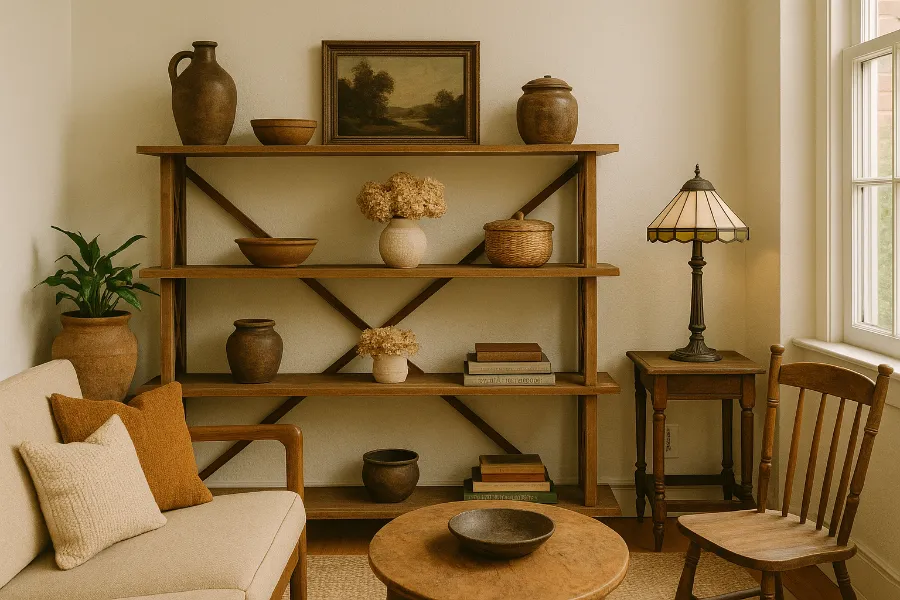
vintage home decor
Finding unique pieces for the home has become harder as mass-produced furniture dominates the market. Many homeowners want interiors that feel personal, but they often end up with items that look identical to everyone else’s. This growing frustration has pushed more people toward vintage home decor as a way to bring authenticity, history, and character into their living spaces. Instead of relying on new retail collections, buyers are now exploring thrift stores, estate auctions, and online marketplaces to discover one-of-a-kind items.
According to a 2024 report from the Antique Dealers Association of America, interest in secondhand and vintage furnishings has increased by more than 35 percent over the past five years. This shift is driven by both sustainability concerns and the desire for individuality. I have personally experienced this shift while furnishing my own home, where a single thrifted lamp completely changed the feel of a modern living room. The journey to finding meaningful pieces often becomes just as rewarding as the design itself.
The Problem: Mass Production Has Reduced Design Identity
Modern furniture manufacturing has made home furnishing more accessible, but it has also created a problem of sameness. Many homes now feature similar sofas, tables, and accessories purchased from large retailers. While convenient, these items often lack history and emotional connection. As a result, homeowners are searching for ways to make their spaces stand out.
This is where vintage home decor becomes valuable, but finding authentic pieces is not always simple. Many buyers struggle to distinguish real antiques from reproductions or heavily restored items. Others do not know where to begin their search, leading them to rely on mainstream retailers instead of exploring more meaningful sources. Without guidance, the process can feel overwhelming and time-consuming.
Thrift Stores: Hidden Treasures in Everyday Places
Thrift stores remain one of the most accessible entry points for discovering vintage home decor. In the United States, major thrift chains such as Goodwill and Salvation Army process millions of donated items each year, many of which include overlooked furniture and decorative pieces. These stores often rotate inventory quickly, meaning each visit can reveal something completely different.
The key to success in thrift shopping is consistency and patience. Many experienced buyers visit multiple locations weekly because valuable items often appear unexpectedly. I once found a solid oak side table at a local thrift store that later became one of the most used pieces in my home office. It cost less than a typical modern accessory but offered significantly more character. Thrift stores are also a great place to experiment with vintage home decor without committing to high prices.
Auctions: High-Value Finds and Estate Discoveries
Auctions, particularly estate auctions, offer another powerful way to find authentic vintage home decor. These events often include entire household collections being sold due to relocation, downsizing, or estate settlements. Unlike retail environments, auctions provide direct access to items with documented history and sometimes even original ownership records.
In the United States, online auction platforms such as Everything But The House (EBTH) and traditional auction houses like Sotheby’s and Christie’s regularly feature antique furnishings and collectibles. According to industry data from LiveAuctioneers, online auction participation has grown significantly since 2020, with more buyers entering the vintage market remotely. I attended a small estate auction in Pennsylvania where a mid-century dining set sold for a fraction of its estimated value. This experience highlighted how auctions can provide both affordability and authenticity for collectors of vintage home decor.
Online Marketplaces: Convenience Meets Global Access
Online marketplaces have transformed how people search for vintage home decor. Platforms such as Chairish, Etsy, and eBay allow buyers to browse thousands of listings from sellers across the world. This global access makes it easier to find rare or specific pieces that may not be available locally. However, it also requires careful attention to authenticity and seller reputation.
One of the biggest advantages of online platforms is filtering ability. Buyers can search by era, material, or design style, making it easier to match pieces with existing interiors. Many sellers also specialize in curated collections, offering professionally restored items ready for use. I once purchased a restored industrial desk online that now serves as a focal point in my workspace. It also pairs well with subtle designer desk accessories which help maintain a balanced and functional setup without overpowering the design.
How to Spot Authentic Vintage Pieces
Identifying genuine vintage home decor requires attention to detail. Authentic pieces often show signs of age such as natural wear, patina, and handcrafted construction techniques. Unlike modern reproductions, older furniture typically uses solid wood, traditional joinery methods, and unique hardware that is difficult to replicate accurately.
Buyers should also research manufacturer labels, design history, and material composition before purchasing. In many cases, documentation or maker’s marks can significantly increase the value of a piece. When shopping online or at auctions, requesting additional photos or provenance information can help confirm authenticity. I learned this lesson after nearly purchasing a reproduction chair that appeared vintage but lacked structural details consistent with its supposed era. Careful inspection is essential for building a meaningful collection.
Combining Sources for Better Results
The most successful collectors rarely rely on a single source when searching for vintage home decor. Instead, they combine thrift stores, auctions, and online marketplaces to maximize their chances of finding quality pieces. Each source offers different advantages depending on budget, location, and design goals.
Thrift stores are ideal for affordable experimentation, auctions provide access to higher-value collections, and online marketplaces offer convenience and variety. Many interior designers in the United States use this combined approach when sourcing furniture for residential and commercial projects. A recent article from Architectural Digest highlighted how designers often mix estate sale finds with curated online purchases to create balanced interiors that feel both authentic and modern.
Styling Vintage Finds in Modern Interiors
Once vintage home decor items are acquired, the next step is integrating them into modern interiors. The key is balance. Instead of filling a room entirely with antique items, designers often use vintage pieces as focal points within contemporary settings. This approach prevents interiors from feeling outdated while still maintaining character.
For example, a vintage lamp placed in a minimalist living room can create contrast and visual interest. Similarly, combining antique wood furniture with modern textiles helps bridge different design eras. In my own home, I often use a mix of vintage accents and contemporary furniture to create a layered look. Small additions like curated books, lighting, and designer desk accessories help unify the space without overwhelming it.
The Growing Market for Vintage in the United States
The demand for vintage furnishings continues to rise across the United States. According to Statista, the secondhand furniture market is projected to grow steadily over the next decade, driven by sustainability awareness and changing consumer preferences. Younger buyers, particularly millennials and Gen Z homeowners, are increasingly interested in unique and environmentally conscious design choices.
This shift has also encouraged businesses to adapt. Many retailers now offer vintage-inspired collections or restored antique lines to meet growing demand. At the same time, independent sellers on digital platforms are building successful businesses by sourcing and reselling curated vintage home decor. This combination of traditional and modern retail channels has expanded access for everyday buyers.
Practical Tips for First-Time Buyers
For those new to collecting vintage home decor, starting small is often the best approach. Visiting local thrift stores regularly helps build familiarity with pricing and quality. Attending estate auctions, even as an observer, can also provide valuable insight into how items are valued and sold. Online marketplaces should be used with caution, focusing on trusted sellers with strong reviews and detailed listings.
It is also important to define a clear style direction before purchasing. Without a plan, buyers may end up with mismatched pieces that do not work well together. I always recommend selecting one or two design eras as a foundation before expanding a collection. Over time, this creates a more cohesive and intentional interior.
Conclusion
Finding authentic vintage home decor is not just about shopping; it is about discovery, patience, and storytelling. Thrift stores, auctions, and online marketplaces each offer unique opportunities to uncover pieces with history and character. When used together, they provide a powerful system for building interiors that feel personal and timeless.
Whether you are searching for a statement piece or small decorative accents, the journey toward collecting vintage items adds depth to the design process. Even functional items like furniture or designer desk accessories can become meaningful when chosen with intention. By exploring multiple sources and understanding how to identify authenticity, homeowners can create spaces that reflect both individuality and history in a natural and lasting way.