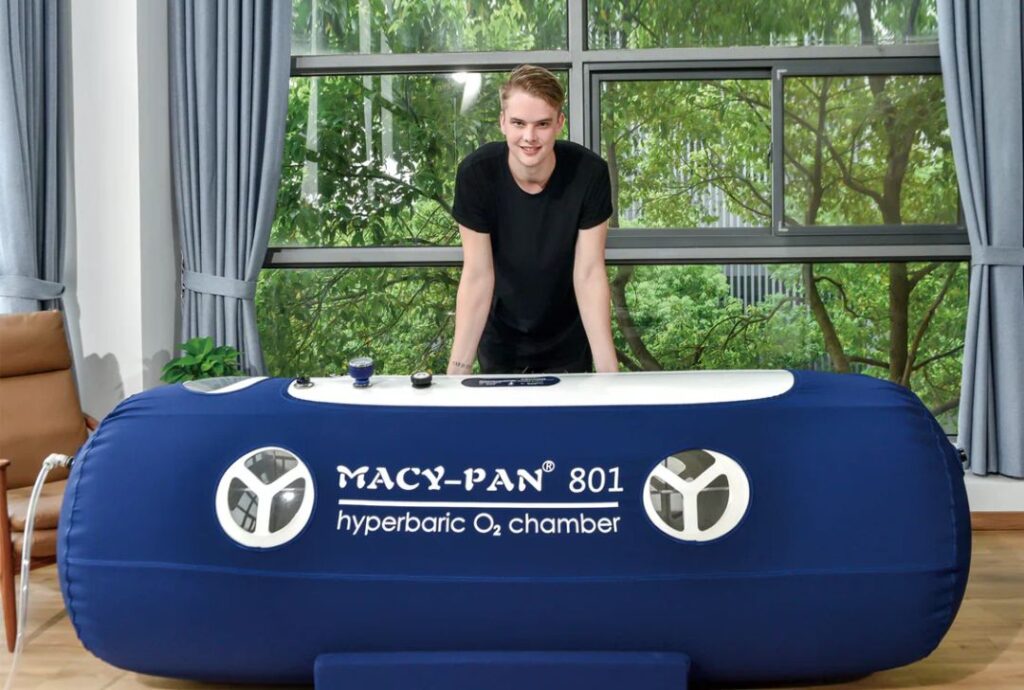
portable hyperbaric chamber for home use
A portable hyperbaric chamber for home use is now part of a growing wellness trend in the United States, especially among athletes, biohackers, and people focused on recovery and fatigue management. The idea of bringing oxygen therapy into a home environment sounds convenient, but the decision is more complex than most buyers expect. Many people assume it is a simple wellness upgrade, but it actually involves technical setup, safety awareness, and ongoing maintenance. This is where most first-time buyers face confusion. Understanding whether it fits your home requires a practical, realistic approach.
A portable hyperbaric chamber for home use is not just another wellness device; it is a pressurized system that requires space, discipline, and correct expectations. Many users begin their research after seeing online testimonials or searching for the best hyperbaric chamber for home use. However, real-world suitability depends on multiple factors such as room size, budget, health goals, and usage consistency. This guide uses a PAS framework to help you evaluate whether it is truly right for your home.
Problem: Overhyped Expectations and Poor Buying Decisions
The main problem with a portable hyperbaric chamber for home use is that buyers often enter the market with incomplete or misleading information. Many assume it delivers fast recovery, increased energy, or medical-grade results at home. In reality, outcomes vary widely depending on pressure levels, usage frequency, and individual response. This misunderstanding leads to disappointment and underutilization of the system. The gap between expectation and reality is significant.
Another issue is how people search for the best hyperbaric chamber for home use without understanding technical specifications. Buyers often focus on price or brand popularity rather than pressure rating or build quality. According to wellness industry data in the United States, home recovery device purchases have increased steadily over the past five years, but return rates are also rising due to incorrect expectations. This shows a clear mismatch between marketing and real-world usage. Proper evaluation is often missing.
Agitation: Real Buyer Mistakes and Market Confusion
In the U.S. wellness market, many buyers regret their purchase because they did not evaluate home suitability properly. A portable hyperbaric chamber for home use requires space, ventilation, and electrical stability, which are often underestimated. Some users discover after delivery that their chosen room is too small or poorly ventilated. This leads to installation stress and reduced usability. These issues are more common than most brands acknowledge.
Search behavior also shows confusion. People looking for the best hyperbaric chamber for home use often rely on online reviews like 1.5ata portable lying hyperbaric oxygen chamber reviews, expecting clear answers. However, these reviews are subjective and vary based on user experience rather than controlled testing. In states like California and Texas, wellness centers report clients expecting medical-level outcomes from home systems. This mismatch creates frustration and dissatisfaction.
Another overlooked issue is long-term maintenance responsibility. A portable hyperbaric chamber for home use requires consistent care, including seal checks, compressor maintenance, and proper cleaning routines. Many users assume it is a low-maintenance device, but neglect leads to performance decline. This often results in early system issues or reduced effectiveness. Maintenance is a critical factor in ownership success.
Solution: A Practical Buyer’s Checklist Approach
Before deciding on a portable hyperbaric chamber for home use, buyers should evaluate their space, goals, and usage habits. Room size is the first factor, as most systems require dedicated space for safe operation. A stable, quiet indoor environment improves both performance and comfort. Without proper space planning, installation becomes difficult and inefficient. This step alone determines long-term success.
The second factor is understanding pressure levels and system capability. Many users searching for the best hyperbaric chamber for home use overlook the difference between 1.3 ATA and 1.5 ATA systems. Higher numbers do not always mean better results, but they do affect oxygen diffusion and comfort levels. Understanding technical specs helps buyers choose based on actual needs rather than marketing claims. This reduces regret after purchase.
Budget planning is also essential. A portable hyperbaric chamber for home use is not a one-time cost; it includes maintenance, electricity usage, and possible installation support. In the United States, prices vary widely depending on build quality and features. Buyers should consider long-term ownership costs rather than just initial purchase price. This creates a more realistic financial expectation.
Safety and Setup: What Home Owners Must Understand
Safety is a core part of evaluating a portable hyperbaric chamber for home use. Users must understand pressure equalization techniques to avoid ear discomfort during sessions. Even low-pressure systems require proper usage discipline. Gradual pressurization and correct session timing improve comfort and reduce risks. Ignoring these basics can lead to avoidable issues.
Installation requires careful planning of space and electrical setup. A stable, flat surface is necessary for safe operation. The compressor must be placed in a ventilated area to prevent overheating and ensure consistent airflow. Many users researching the best hyperbaric chamber for home use underestimate this step. Proper setup directly impacts performance and safety outcomes.
In real U.S. wellness setups, some users choose professional installation support for first-time setup. This is especially common for larger systems or high-frequency users. While not always required, it helps reduce early mistakes and improves long-term reliability. A portable hyperbaric chamber for home use performs best when installed correctly from the beginning. Setup quality determines user satisfaction.
Real U.S. Case Studies and Market Behavior
In U.S. hospitals, hyperbaric oxygen therapy is used for approved medical conditions such as wound healing and radiation injuries. Clinical studies show improved outcomes in diabetic foot ulcer cases when therapy is applied under supervision. However, these results come from controlled medical systems, not home devices. This distinction is important when evaluating expectations for home use. Clinical and home systems are not interchangeable.
In wellness centers across states like Florida and Colorado, mild-pressure systems are used for recovery support programs. A portable hyperbaric chamber for home use is often inspired by these systems but operates at lower intensity. Athletes using such setups report reduced soreness and improved recovery experience after consistent use. However, these outcomes are supportive rather than medical guarantees. Real-world results depend on individual usage patterns.
Many buyers searching for the best hyperbaric chamber for home use rely heavily on online reviews and forums. These often include discussions like 1.5ata portable lying hyperbaric oxygen chamber reviews, where users share personal experiences. While helpful, these reviews do not represent clinical evidence. They provide insight into user satisfaction but not guaranteed outcomes. This makes balanced evaluation important.
Market Reality: What Ownership Really Looks Like
Owning a portable hyperbaric chamber for home use is a long-term commitment rather than a casual purchase. Users must dedicate time for setup, maintenance, and consistent usage to see meaningful results. In the United States, the wellness device market has expanded rapidly, but user retention depends heavily on realistic expectations. Many users stop using devices due to improper setup or lack of understanding. This highlights the importance of preparation.
The best hyperbaric chamber for home use is not defined by price alone but by suitability for the user’s environment and goals. Some users prioritize comfort and ease of use, while others focus on performance and pressure capability. A portable hyperbaric chamber for home use should be selected based on lifestyle fit rather than marketing appeal. This reduces dissatisfaction and improves long-term value.
Regulatory guidelines ensure that home systems remain within safe operational limits. However, responsibility still lies with the user for correct usage. Understanding system limitations is key to avoiding misuse. Informed buyers tend to have better long-term outcomes and fewer operational issues. Education is the most important part of ownership.
Conclusion
A portable hyperbaric chamber for home use can be a valuable addition to a wellness routine, but only if it matches your space, expectations, and commitment level. It is not a simple appliance but a structured system that requires planning and responsibility. Buyers who approach it with realistic expectations tend to have better experiences and fewer issues. Understanding both benefits and limitations is essential before purchase.
For anyone evaluating the best hyperbaric chamber for home use, the decision should be based on practical readiness rather than marketing claims. A portable hyperbaric chamber for home use works best when integrated into a consistent routine with proper setup and maintenance. If your home environment supports it and your expectations are grounded, it can be a useful wellness tool. Informed decisions always lead to better long-term satisfaction.