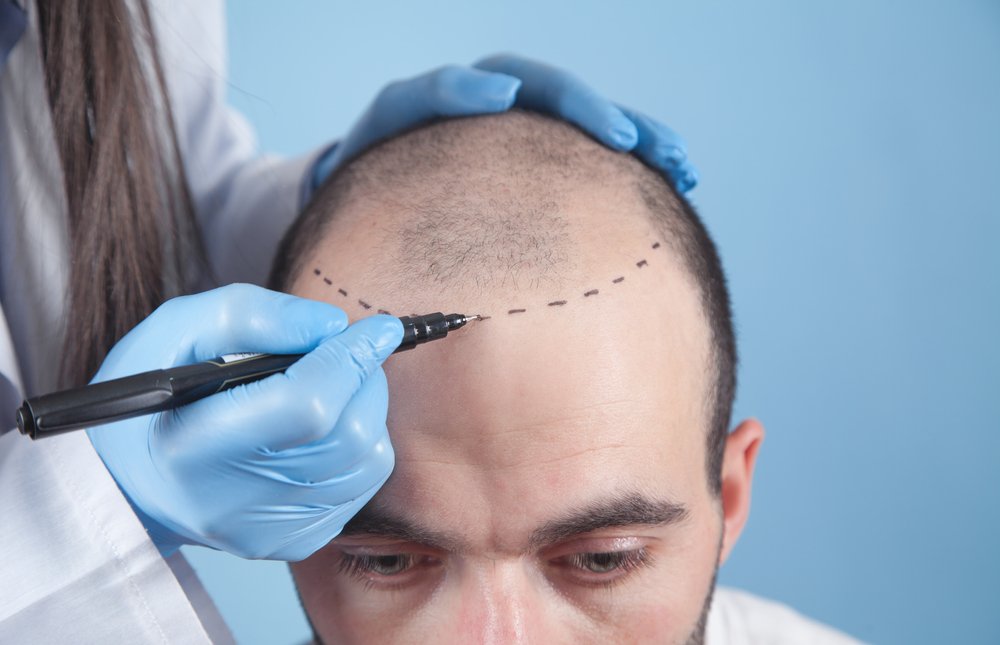
A natural-looking hairline is one of the most important aspects of a successful Hair Transplant in Dubai. While restoring lost hair can improve coverage, the position, shape, angle, and density of the new hairline strongly influence how balanced the final appearance looks. A hairline that is placed too low, too straight, or too dense may appear unnatural, while one designed around the patient’s facial characteristics can provide a more harmonious result.
Hairline design is not based on a single template. Surgeons typically consider factors such as age, facial proportions, existing hair density, donor supply, hair-loss pattern, and the likelihood of future recession. The objective is usually to create a transition zone that resembles natural growth rather than producing an artificially sharp boundary.
Individual characteristics also matter. Forehead height, temple shape, facial width, hair calibre, and the direction in which existing hair grows can all influence the proposed design. A younger patient may require particularly careful planning because future hair loss could alter the appearance of the transplanted area.
During consultation, the proposed hairline may be assessed from different angles and adjusted according to the patient’s expectations and long-term restoration plan. Understanding these considerations helps patients approach Hair Transplant in Dubai with realistic expectations and a clearer idea of how surgical planning influences the finished appearance.
Facial Proportions and Forehead Structure
Facial proportions provide an important starting point for hairline planning. Rather than placing the new line at a predetermined height, the surgeon evaluates the relationship between the forehead, eyebrows, temples, and overall facial shape.
A suitable design should complement the individual’s features. The amount of forehead that remains visible after restoration can influence perceived facial balance, but excessively lowering the hairline may consume donor grafts unnecessarily.
The shape also matters. Some patients naturally have a softer, rounded hairline, while others have a more defined central region with subtle temporal recession. Replicating an individual’s natural pattern can make the restoration less noticeable.
Existing Hairline and Pattern of Hair Loss
The remaining hair provides valuable information when planning a transplant. The surgeon assesses where native follicles remain, how far recession has progressed, and whether the existing hairline has changed gradually or significantly.
Male-pattern hair loss can continue after transplantation, making long-term planning particularly important. A design that looks appropriate immediately after surgery should also account for possible changes in surrounding native hair.
This is why the hairline is often planned as part of the broader restoration strategy rather than treated as an isolated area.
Age and Long-Term Planning
Age can influence how conservatively a hairline is designed. Younger individuals experiencing early recession may still have substantial future hair loss ahead of them. Creating an extremely low or dense hairline at an early stage could require more donor grafts than necessary and may create an imbalance if native hair continues to thin.
For this reason, surgeons may recommend a mature-looking hairline that remains appropriate as facial features and hair patterns change over time.
The aim is not simply to restore the hairline seen several years earlier. Instead, planning should consider the patient’s current condition and potential future progression.
Donor Hair Availability
A transplant relies on follicles harvested from a donor area, usually located toward the back or sides of the scalp. The available number and quality of these follicles can place practical limits on the proposed hairline.
Patients with strong donor density may have greater flexibility in restoration planning, whereas limited donor availability may require prioritizing the most visually important areas.
Hair characteristics are also relevant. Coarser follicles may provide greater visual coverage with fewer grafts, while finer hair can require more careful placement to achieve a similar cosmetic effect.
Hairline Shape and Transition Zone
A natural hairline rarely looks like a perfectly straight line. It normally contains irregularities, varying density, and fine hairs that gradually transition toward thicker follicles behind it.
During transplantation, creating a transition zone can help reproduce this appearance. Finer grafts may be positioned toward the front, with progressively stronger follicular units placed farther behind the leading edge.
The central hairline, frontal corners, and temples may each require different positioning. Careful variation in density and direction can reduce the artificial appearance sometimes associated with overly uniform transplantation.
Hair Direction and Graft Placement
The angle and direction of newly implanted follicles influence how the hair eventually lies against the scalp. These characteristics are considered alongside the direction of the patient’s existing hair.
If grafts are placed at noticeably different angles from surrounding native hair, the restored area may be more difficult to style naturally. Surgeons therefore examine existing growth patterns before deciding how individual grafts should be positioned.
Strategic placement can also influence perceived density. The goal is not necessarily to insert the maximum possible number of grafts into the frontal area, but to use available follicles efficiently while maintaining a natural transition.
Hairline Density and Visual Coverage
Density is another major consideration. A hairline does not necessarily need uniform density from front to back. Natural hair often becomes progressively thicker behind the frontal transition zone.
The surgeon may therefore vary graft concentration according to the location and the patient’s existing density. This approach can make the result appear softer at the front while providing stronger coverage farther behind it.
Expectations should also reflect the limitations of transplantation. A finite donor supply means that planning involves balancing immediate cosmetic improvement with future needs.
The Role of Consultation and Digital Planning
Consultation is where the proposed design is evaluated against the patient’s anatomy and goals. The surgeon can assess scalp condition, donor capacity, existing recession, hair characteristics, and potential future loss before determining whether transplantation is appropriate.
Some practices also use photographic documentation, digital imaging, or other planning techniques to visualize proposed changes. These tools can support communication, although they should not be treated as a guarantee of the eventual outcome.
A detailed consultation should also cover the number of grafts likely to be required, the extraction and implantation approach, recovery expectations, possible risks, and whether medical management may be appropriate alongside surgery.
How to Choose the Right Clinic for Hair Transplant in Dubai
Choosing a provider involves more than comparing package prices. Several practical factors deserve attention before making a decision.
Experience and Qualifications
Look for appropriately qualified medical professionals with relevant experience in hair restoration. Ask who will perform the surgical components of the procedure and how frequently they carry out hair transplantation.
Technology and Techniques
Different techniques may be suitable for different patients. Discuss whether the proposed approach involves FUE, FUT, DHI-style implantation, or another method, and ask why that technique is appropriate for your particular donor and recipient areas.
Safety Standards
The facility should follow appropriate infection-control procedures and have suitable medical equipment and emergency protocols. A proper medical assessment should take place before surgery rather than treating transplantation as a purely cosmetic procedure.
Consultation Process
A thorough consultation should include examination of the donor area, assessment of hair loss, discussion of expectations, and long-term planning. Be cautious of consultations that focus only on selling a fixed number of grafts without evaluating your individual situation.
Patient Experience
Ask about preoperative instructions, postoperative monitoring, communication during recovery, and what support is available if concerns arise. Clear information about recovery and follow-up can make the overall process easier to manage.
Expected Results
Hair transplantation takes time. Newly transplanted follicles generally require a prolonged growth cycle, and the final appearance develops gradually. A responsible provider should explain realistic expectations rather than promising a specific density or guaranteed outcome.
Frequently Asked Questions
What determines the ideal hairline position?
The position is influenced by facial proportions, forehead structure, age, existing recession, donor availability, and anticipated future hair loss. There is no universal measurement suitable for every patient.
Should a transplanted hairline be completely straight?
Usually, a completely straight hairline may look less natural. Subtle irregularity and a gradual transition can better resemble natural hair growth, although the exact shape depends on the patient’s anatomy.
Can the hairline be lowered significantly during transplantation?
It may be possible in selected patients, but lowering it requires additional grafts. The surgeon must consider donor availability and the possibility of future recession before recommending a lower position.
How does hair direction affect hairline design?
Hair direction influences how transplanted follicles blend with surrounding hair. Matching the natural growth angle and direction can contribute to a more cohesive appearance.
When can the final hairline result be assessed?
The result develops gradually because transplanted follicles need time to enter their normal growth cycle. Final assessment is generally made after substantial growth has occurred, rather than immediately after surgery.
Conclusion
Hairline design combines aesthetic planning with medical and anatomical considerations. Facial proportions, age, donor capacity, existing hair characteristics, future loss, graft selection, density, and growth direction all contribute to the proposed design. A carefully planned Hair Transplant should therefore focus on long-term harmony rather than simply lowering the hairline or maximizing the number of transplanted grafts.