A well planned outdoor space can make a property more useful, attractive, and enjoyable. While plants, trees, and grass bring natural beauty to a yard, hardscape features provide structure and create places for people to gather, relax, and move around. Professional hardscape design and installation can turn an ordinary backyard into a welcoming outdoor living area with patios, walkways, retaining walls, and other lasting features.
The best results begin with a clear plan. Every property has different slopes, soil conditions, drainage needs, and available space. Homeowners should think about how they want to use their yards before choosing materials or starting construction. With thoughtful planning, the right hardscape elements can improve everyday comfort while adding lasting value to the property.
Start With a Practical Outdoor Design Plan
Before selecting pavers or stone, consider what you want your outdoor space to accomplish. A family may need a comfortable patio for meals and gatherings, while another homeowner may want a quiet seating area or a safer route through a sloped yard.
Identify Your Main Priorities
Walk around your property and notice which areas are difficult to use. Uneven ground, muddy paths, and empty corners may offer opportunities for improvement. Consider how people will move between the house, garden, driveway, and outdoor seating areas.
Make a list of the features that matter most. These may include:
- A patio for dining and entertaining
- Walkways connecting different yard areas
- Retaining walls for sloped ground
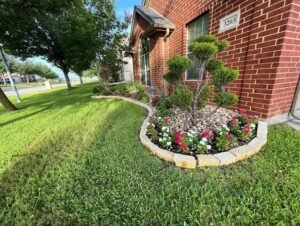
- Stone borders around planting beds
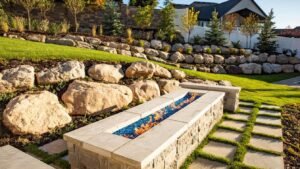
- A fire pit or outdoor seating area
Match the Design to Your Property
A good layout should work with the existing shape of the yard. Professional hardscape design and installation takes property size, access points, sunlight, and drainage into account. Planning these details early helps prevent costly changes during construction.
Choose Materials That Fit Your Style and Needs
The materials used in a hardscape project affect its appearance, strength, and maintenance needs. Options such as concrete pavers, natural stone, brick, and decorative gravel can create different looks.
Explore Popular Hardscape Materials
Concrete pavers are a common choice for patios and walkways because they come in many shapes, colors, and patterns. Natural stone offers a more varied appearance, with unique textures and tones. Brick can give an outdoor area a classic look, while gravel may work well for garden paths and decorative spaces.
Consider Durability and Maintenance
Think about how each material will handle regular use and local weather. In areas with freezing temperatures, materials and installation methods should account for seasonal expansion and shifting ground. Surfaces around pools or frequently used walkways should also provide suitable traction.
When planning hardscape design and installation, compare samples in the actual outdoor setting. Look at them beside your home’s exterior, existing landscaping, and other hardscape features. A balanced material choice helps the finished space feel connected to the property rather than added as an afterthought.
Create Comfortable Patios and Outdoor Gathering Areas
A patio can become the center of an outdoor living space. It provides a stable surface for furniture, outdoor meals, and time with family and friends. The right design makes the area comfortable while allowing enough room for people to move around.
Plan the Patio Layout
Start by deciding how many people the space should accommodate. Leave room for chairs, tables, grills, and clear walking paths. A patio that looks attractive but feels crowded may not serve its purpose well.
Think about where the patio should sit in relation to the house. A location near the kitchen may make outdoor dining easier. A shaded section of the yard may be better for relaxing during warmer months.
Add Features That Improve Comfort
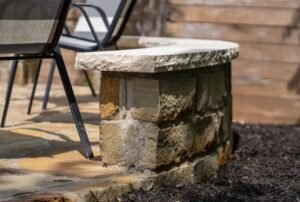
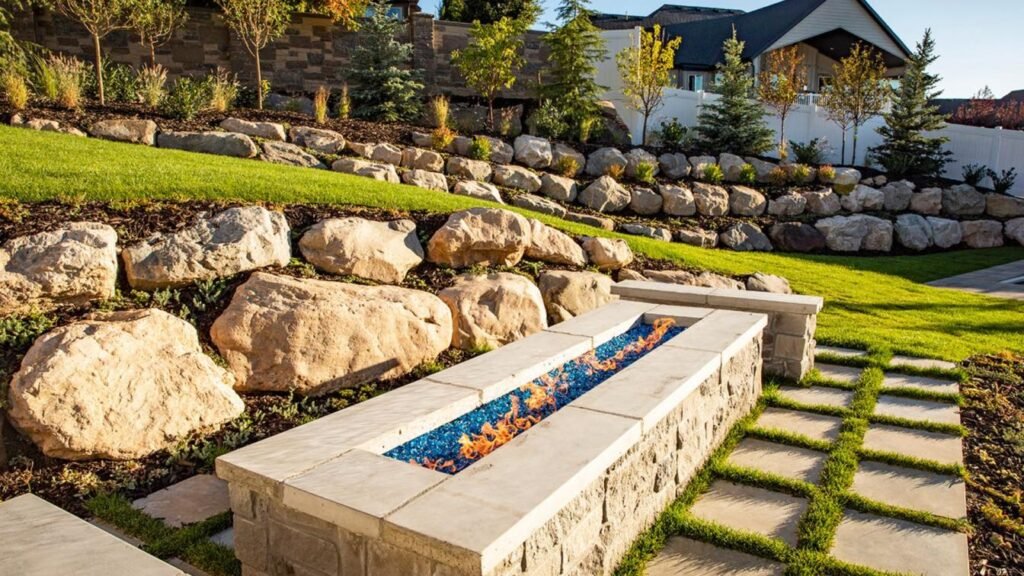
Seating walls, steps, fire pits, and built in planters can make a patio more useful. Lighting can also improve visibility and create a welcoming atmosphere after sunset.
Creative hardscape design and installation brings these features together so the patio feels like a natural extension of the home. Careful attention to size, access, and materials helps create a space homeowners can enjoy throughout the year.
Use Walkways and Retaining Walls to Improve Function
Walkways and retaining walls do more than add visual interest. They help organize the yard, improve access, and make challenging areas easier to use.
Build Clear and Attractive Walkways
A well placed path connects important parts of the property. Paver paths, brick walkways, and natural stone stepping areas can guide visitors from the driveway to the entrance or connect a patio with a garden.
The path should have enough width for comfortable movement. Its surface should also be stable and properly prepared to reduce uneven sections over time.
Manage Slopes With Retaining Walls
Sloped yards can limit usable space and create problems with soil movement. Retaining walls help hold soil in place and can create level areas for planting, seating, or other outdoor features.
Drainage is especially important behind retaining walls. Proper planning helps reduce water pressure and supports the structure. A skilled hardscape contractor can assess the slope, soil, and site conditions before construction begins.
For homeowners considering a larger yard improvement, Kingswood Landscape can be a useful option to discuss outdoor layouts, patios, walkways, and retaining wall projects. A conversation about your property’s needs can help establish a practical direction and clear project goals.
Focus on Installation Quality and Long Term Care
Even attractive materials can produce poor results if the groundwork is rushed. A successful project depends on proper excavation, grading, base preparation, and careful placement.
Understand the Installation Process
Most hardscape projects begin with measuring the area and marking the planned layout. The contractor then prepares the ground, installs a suitable base, and positions the selected materials. Edges, joints, and drainage details need attention before the work is complete.
Professional hardscape design and installation should also include a final check for stable surfaces, consistent spacing, and proper water flow. These details support the appearance and function of the finished space.
Keep Hardscape Features Looking Good
Routine care helps protect your investment. Sweep away leaves and dirt, clean surfaces when needed, and check joints for loose material. Keep drainage channels clear so water can move away from patios and walkways.
Follow the care instructions recommended for your chosen materials. With suitable installation and regular attention, hardscape features can remain attractive and useful for many years.
Frequently Asked Questions
- What does hardscape design and installation include?
It can include planning and building patios, walkways, retaining walls, stone borders, steps, fire pits, and other nonliving landscape features.
- Which materials are best for a backyard patio?
Concrete pavers, natural stone, and brick are popular options. The right choice depends on appearance, budget, durability, and maintenance preferences.
- How long does a hardscape project take?
The timeline depends on the project size, site conditions, materials, and weather. A small walkway may take less time than a large patio with retaining walls.
- Do retaining walls need drainage?
Yes. Proper drainage helps manage water behind the wall and reduces pressure on the structure. The drainage plan should suit the soil and site conditions.
- Can hardscaping increase property value?
Well planned outdoor features can improve curb appeal, usability, and buyer interest. Results depend on design quality, materials, and the overall property.
Conclusion
Creative hardscape features can make an outdoor space more useful, comfortable, and attractive. From welcoming patios to practical walkways and retaining walls, each element should suit the property’s layout and the homeowner’s needs. Quality hardscape design and installation starts with careful planning and skilled construction. Ready to improve your yard? Contact Kingswood Landscape today to discuss your outdoor project and schedule a consultation.