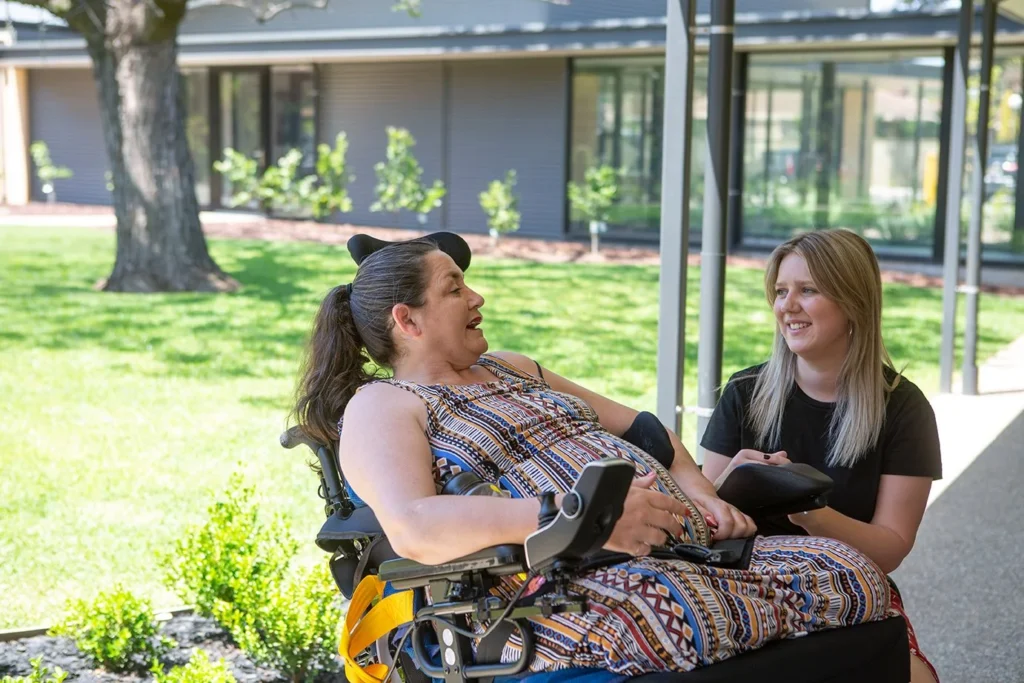
The National Disability Insurance Scheme (NDIS) helps eligible Australians access services that support their daily lives and personal goals. Although an NDIS plan provides funding for approved supports, understanding how to use it can be difficult for some participants. This is where NDIS Support Coordinators in Adelaide help. They explain NDIS plans, connect participants with suitable providers, and help them make informed decisions that support greater independence and better use of available supports.
Understanding the Role of an NDIS Support Coordinator
An NDIS support coordinator helps participants put their NDIS plans into action. They explain available funding, identify suitable service providers, and help participants access the right supports. They also work with families, carers, and providers to ensure supports are coordinated to meet the participant’s goals and needs. Unlike disability support workers who provide direct care, support coordinators focus on organising, planning, and managing support arrangements.
Helping Participants Put Their NDIS Plan Into Action
Support coordinators help participants in several practical ways. Their key responsibilities include:
- Plan Explanation: Explain approved funding and available support categories in simple terms.
- Provider Connections: Help participants choose suitable service providers that match their goals and needs.
- Service Coordination: Arrange appointments and organise supports so services work well together.
- Informed Decision-Making: Provide information that helps participants understand available options before selecting suitable services.
These responsibilities help participants use their funding effectively while working towards their goals.
Coordinating Services and Solving Everyday Challenges
Support needs may change over time, and managing different services can become difficult. Support coordinators work with service providers, follow up on support arrangements, and resolve issues that affect service delivery. If required, they can help participants find alternative providers that better meet their needs. Their support helps minimise disruptions and keeps participants focused on achieving their goals.
Building Confidence and Independence Over Time
Support coordination also encourages participants to become more independent. Support coordinators help them understand their choices, build decision-making skills, and take greater responsibility for managing their supports. They also prepare participants for future plan reviews by discussing changing needs and possible adjustments. This approach helps participants become more confident in managing their own services.
Skills and Career Opportunities in Support Coordination
Support coordination is a specialised role within the disability sector and requires a range of professional skills. These include:
- Communication: Build effective relationships with participants and providers.
- Organisation: Manage appointments, records, and support services.
- Problem-Solving: Address service issues and identify suitable solutions.
- NDIS Knowledge: Understand NDIS funding, processes, and participant rights.
People interested in similar careers may also consider aged care jobs in Adelaide which involve supporting older people in community and residential settings.
Conclusion
NDIS Support Coordinators in Adelaide help participants understand their plans, access suitable services, and make informed decisions about their supports. They also encourage confidence and independence by helping participants build the skills needed to manage their services over time. Their guidance helps participants make better use of their NDIS funding and work towards achieving their personal goals.