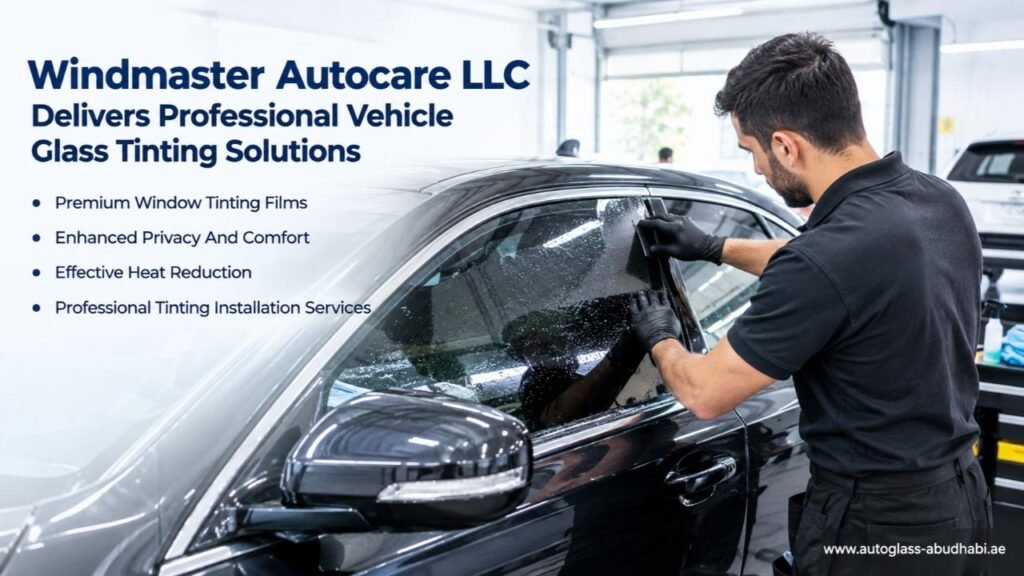
If you have ever opened your car door on a scorching summer afternoon, you already know the immediate wave of suffocating heat that hits your face. Walking into a parked car after a few hours in the sun often feels less like stepping into a vehicle and more like climbing headfirst into a preheated pizza oven. That unbearable warmth isn’t just uncomfortable for you—it is actively cooking your car’s cabin every single day. Over time, that constant exposure to sunlight breaks down your interior, turning smooth, supple seats into dry, faded, and cracked leather. This is precisely where Vehicle Glass Tinting comes in as one of the smartest upgrades you can make for your ride. By applying a protective film to your windows, Vehicle Glass Tinting creates an effective shield that preserves your cabin’s comfort and value.
Many drivers assume that window darkeners are purely about privacy or giving a car a sleeker, sportier appearance. While the visual upgrade is certainly a nice bonus, the functional benefits go much deeper. Sunlight contains a mix of visible light, infrared radiation, and ultraviolet rays. While visible light lets us see, it is the infrared rays that carry heat, and the ultraviolet rays that cause structural damage to materials. Standard automotive glass does very little to block these unseen forces. Window treatment acts as a thermal filter, letting light pass through while selectively reflecting or absorbing the damaging radiation before it ever touches your upholstery or dashboard.
How Modern Window Films Block Extreme Heat and Infrared Rays
To understand why your vehicle gets so hot, think of your car windows as a miniature greenhouse. Sunlight passes freely through clear glass and strikes the dark surfaces inside—like your steering wheel, dashboard, and seat cushions. These surfaces absorb the energy and radiate it back out as heat. Because glass traps this heat, the temperature inside a stationary car can easily spike to dangerous levels in less than twenty minutes.
Quality films change the physics of how your car handles sunlight. Instead of allowing heat energy to pass right through, the multi-layered material reflects radiation away from the cabin.
Key Features of Heat-Blocking Films
-
Infrared Radiation Rejection: High-grade films reflect invisible infrared light, stopping heat energy at the glass level before it can heat up your interior air.
-
Ultraviolet Protection: Blocks up to 99% of damaging UV rays, shielding both human skin and interior cabin materials from sun degradation.
-
Glare Reduction: Minimizes harsh glare from the sun and bright headlights, making daytime and night driving significantly safer for your eyes.
-
Shatter Resistance: Holds broken glass fragments together in the event of an impact, adding an extra layer of safety for passengers inside.
-
Customizable Visibility: Available in various transparency levels, allowing you to choose your desired darkness while maintaining legal visual clarity.
By reducing incoming thermal energy, your auto glass stays cooler, which keeps the ambient cabin temperature down. This means you do not have to blast your air conditioning at full capacity every time you start the engine, saving both fuel and battery life over time.
Preventing Leather Degradation and Interior Fading Through Sunlight Defense
Leather is an organic, porous material that requires moisture to stay soft and pliable. When exposed to harsh, unfiltered sun exposure, leather undergoes a process known as photo-oxidation. The ultraviolet rays break down the natural oils held within the hide, causing the material to dry out, stiffen, and shrink. Over time, this leads to unsightly discoloration, cracking across stress points, and a loss of that premium soft-touch feel.
Applying an automotive window film blocks nearly all UV rays, preventing this drying effect at its root source. Instead of baking in direct sunlight, your leather retains its natural oils much longer. Dashboard plastics, vinyl trims, and interior stitching also benefit hugely from this protection, as intense sun often causes vinyl to warp and stitching threads to rot and snap. Protecting your upholstery isn’t just about keeping the vehicle looking new today; it preserves your car’s resale value for years down the road.
Enhancing Passenger Comfort and Reducing Energy Strain
Driving a vehicle that absorbs excessive heat isn’t just tough on your leather seats; it takes a continuous toll on driver energy and comfort. High cabin temperatures force your cooling system to work overtime, straining the vehicle’s engine and electrical components. When your cabin stays cooler naturally, your climate control system can maintain a comfortable temperature with ease, creating a far more pleasant driving environment for everyone on board.
Beyond temperature control, shielding your cabin reduces eye strain caused by blinding sun glare off incoming traffic or surrounding buildings. Long trips become much less exhausting when you aren’t squinting against intense glare or sweating through your clothes. It transforms your daily commute into a relaxing, comfortable retreat regardless of how harsh the weather is outside.
Conclusion
Taking care of your automobile means looking beyond basic engine maintenance and car washes. Protecting the interior from relentless heat and sun exposure is essential if you want your car to look great and feel comfortable for years to come. Installing quality window protection keeps your cabin significantly cooler, prevents your costly leather seats from drying out and cracking, and makes every drive far more enjoyable. For top-tier craftsmanship, premium protective solutions, and exceptional service, trust the experts at Windmaster Autocare LLC to keep your vehicle cool, protected, and looking its best.