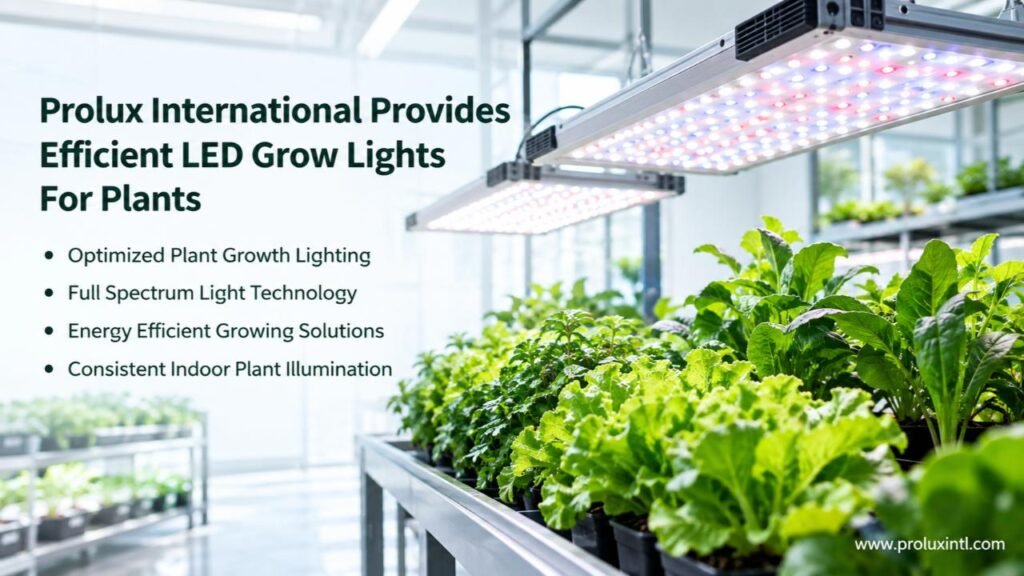
Growing your own plants indoors is one of the most rewarding hobbies you can pick up, but getting them to bloom can sometimes feel like a guessing game. If you want big, beautiful blooms or a heavy yield of fruit, picking the right light setup is everything. That is where LED Grow Lights for Plants come into play. When plants transition from just growing green leaves to popping out colorful buds, their light appetite changes dramatically. Using LED Grow Lights for Plants during this critical shift gives your green friends the exact energy boost they need to flourish.
When plants live outdoors, they rely on the sun to tell them what time of year it is. In the spring, the sun sits high, flooding the earth with bright, cool light that encourages strong stems and leafy growth. As late summer and autumn roll around, the sun dips lower on the horizon. This shift creates a softer, warmer light that signals to nature that winter is coming, triggering plants to produce seeds, flowers, and fruit.
When you bring your garden indoors, you become the sun. Understanding how light colors work helps you trick your plants into blooming on demand. Plants do not process light the same way human eyes do; they use specific color bands to power their internal growth engines. Knowing which color spectrum drives the flowering phase will save you time, money, and a whole lot of frustration.
The Secret Red Power: The Focus Key Phrase for Maximum Blooms
If there is one color champion for the blooming phase, it is red light. Deep reds and warm tones copy that late-summer sunshine, telling the plant that it is time to stop growing taller and start focusing all its energy on flower development.
When your indoor garden absorbs red light wavelengths, it stimulates a plant hormone called phytochrome. This hormone acts like a light-activated switch, telling the plant to shift gears into full reproduction mode. Without enough red light, your plants might still grow tall, but their blossoms will be sparse, small, or weak.
To give your garden the best results during this phase, look for fixture setups that deliver specific benefits:
-
Deeper Color Saturation: High amounts of red light push plants to build vibrant, full petals with stronger stems to support them.
-
Faster Triggering: Introducing strong red tones speeds up the time it takes for a plant to switch from its vegetative leafy stage into budding.
-
Better Fruit Production: If your flowering plants produce edible crops, red light directly boosts the size and weight of the final harvest.
Mixing in a tiny splash of far-red light alongside standard red light creates what growers call a natural shade effect. This convinces the plant to expand its flower canopy even wider to catch every bit of available light.
Why Blue Light Still Matters for LED Grow Lights for Plants
While red is the undisputed star of the flowering show, you cannot completely ignore blue light. Think of red light as the main course and blue light as the essential vitamins that keep everything running smoothly.
If you feed your plants only red light, they tend to stretch out, getting tall, thin, and floppy. Adding a controlled amount of blue light keeps the plant structure compact, tight, and sturdy. Strong stems are crucial because heavy, dense flowers need a solid base so they do not snap under their own weight.
A healthy touch of blue light also helps the plant regulate its breathing pores, keeping its water intake and metabolism balanced while it works hard on blooming. The trick is to lower the blue light compared to what you used during the early growth stage, but never cut it out entirely.
Finding the Best Full Spectrum Balance
Instead of swapping out light fixtures every few weeks, many modern indoor gardeners rely on full-spectrum fixtures. These systems mimic natural sunshine by blending red, blue, green, and white light into a single fixture.
During the flowering stage, the ideal spectrum mix tilts heavily toward warm white and red tones (often called a warm spectrum, around 2700K to 3000K). The white light components contain green and yellow wavelengths, which actually penetrate deeper through dense upper leaves, ensuring the lower branches get enough energy to bloom as well. This balanced approach creates an easy, all-in-one solution that keeps your indoor garden healthy from seed all the way through harvest.
Conclusion
Getting lush, stunning flowers indoors does not require a degree in botany—it just takes the right lighting strategy. By shifting your indoor environment toward a warm, red-dominated spectrum, you give your plants the natural signal they need to burst into bloom while maintaining the structural support of subtle blue tones. For reliable performance and premium lighting solutions tailored to every stage of growth, Prolux International offers top-tier options designed to help your indoor garden reach its full potential. With the proper balance in place, you can enjoy vibrant, healthy blossoms year-round.