Vehicle ownership comes with more than the responsibility of driving safely. Every vehicle on the road must comply with legal and regulatory requirements established by transport authorities. Whether you own a private car, a commercial truck, a taxi, a school bus, or an entire fleet, maintaining vehicle compliance is essential to avoid penalties, ensure road safety, and operate without interruptions.
For commercial vehicle owners, compliance becomes even more important because a single missing document or regulatory violation can affect business operations, deliveries, and customer commitments. Fortunately, digital platforms and legal support services have made compliance management much easier than it was a few years ago.
Compliance Starts Before the Vehicle Hits the Road
Many people associate compliance only with traffic fines, but it actually begins long before a vehicle is driven.
A compliant vehicle should have all mandatory registrations and approvals in place. Owners should verify that every required document is valid and easily accessible whenever needed.
Some of the essential compliance requirements include:
- Valid Registration Certificate (RC)
- Active motor insurance
- Pollution Under Control (PUC) certificate
- Valid driving licence
- Road tax payment
- Fitness certificate for commercial vehicles
- Applicable transport permits
Keeping these documents updated reduces the chances of penalties during inspections and helps ensure uninterrupted vehicle operations.
Compliance Is an Ongoing Responsibility
Vehicle compliance is not a one-time activity. Every document has its own validity period, requiring timely renewal.
Missing renewal deadlines may result in:
- Financial penalties
- Vehicle detention
- Legal notices
- Operational delays
- Increased compliance costs
Commercial fleet owners often manage dozens or hundreds of vehicles simultaneously, making manual tracking extremely difficult.
Creating a renewal calendar and conducting periodic document reviews helps prevent unnecessary compliance issues.
Commercial Vehicles Require Greater Attention
Commercial vehicle compliance involves significantly more responsibilities than private vehicle ownership.
Businesses operating transport vehicles must ensure compliance with regulations related to passenger safety, freight transportation, environmental standards, and licensing requirements.
Common commercial vehicles include:
- Goods carriers
- Delivery vans
- Trucks
- Buses
- School vehicles
- Taxi fleets
- Tourist vehicles
- Logistics vehicles
Because these vehicles spend more time on public roads, they are frequently inspected by enforcement agencies.
Even minor documentation gaps can lead to fines or operational disruptions.
Technology Has Simplified Compliance Management
Digital transformation has changed how vehicle owners manage compliance.
Instead of maintaining paper files for every document, many organizations now rely on digital records, online verification systems, and automated reminders.
Technology helps vehicle owners:
- Track document expiry dates.
- Verify vehicle information.
- Monitor compliance status.
- Manage multiple vehicles efficiently.
- Reduce administrative workload.
For fleet operators, digital compliance management also improves reporting and internal accountability.
The Cost of Non-Compliance
Ignoring compliance obligations can have consequences beyond financial penalties.
Businesses may experience:
- Delivery delays
- Customer dissatisfaction
- Increased operational expenses
- Reduced fleet availability
- Regulatory scrutiny
Individual vehicle owners may face:
- Traffic challans
- Insurance complications
- Vehicle seizure in serious cases
- Court-related proceedings
Maintaining compliance is often far less expensive than dealing with the consequences of violations.
Managing Traffic Challans Efficiently
Traffic challans are an important component of overall vehicle compliance.
Unpaid penalties can accumulate over time, making it difficult for vehicle owners to maintain clean records.
Regular monitoring of pending challans allows owners to identify violations early and resolve them promptly.
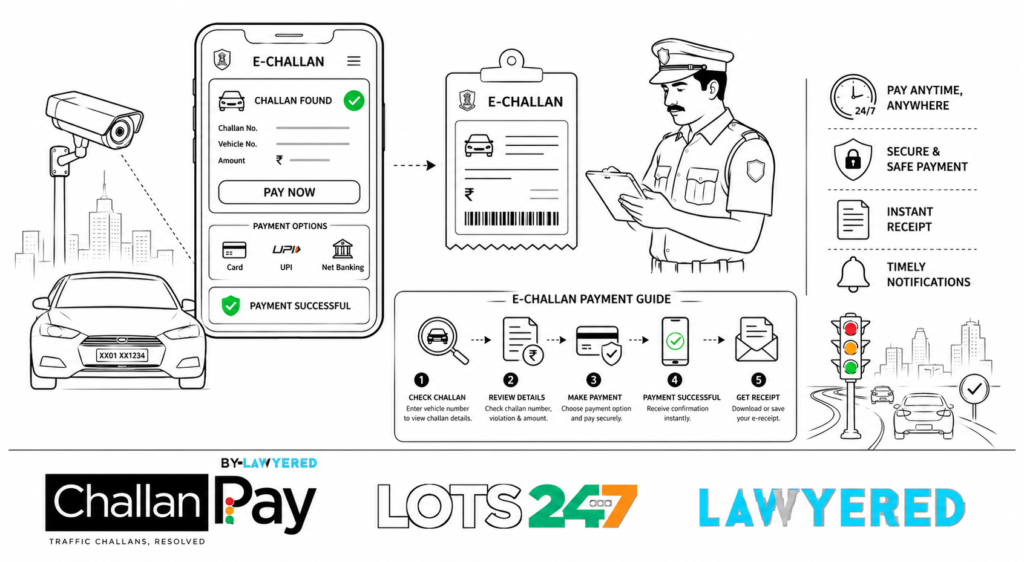
ChallanPay simplifies this process by enabling users to check pending traffic challans and complete online payments through a convenient digital platform. Instead of navigating multiple systems, vehicle owners can efficiently manage challan-related compliance in one place, helping reduce delays and improve record management.
Legal Guidance When Compliance Issues Become Complex
Certain compliance matters extend beyond routine document renewals.
Situations involving disputed penalties, commercial transport regulations, contractual liabilities, or court proceedings often require professional legal advice.
Lawyered assists individuals and businesses by connecting them with experienced legal professionals who understand transport laws and regulatory compliance. Whether addressing documentation disputes, legal notices, or commercial vehicle issues, professional guidance can help resolve matters efficiently while reducing legal risks.
Access to expert legal support is particularly valuable for businesses operating large transportation networks.
Building a Culture of Compliance
Successful organizations do not treat compliance as a periodic task. Instead, they make it an ongoing operational practice.
Effective compliance strategies include:
- Regular vehicle inspections
- Driver awareness programs
- Scheduled document audits
- Digital record management
- Timely renewal planning
- Monitoring traffic violations
- Maintaining accurate compliance records
These practices improve operational efficiency while reducing regulatory risks.
Stay Informed with LOTS247 Sarathi
Transport regulations continue to evolve as governments introduce new policies, digital services, and road safety initiatives.
LOTS247 Sarathi serves as a valuable source of information for vehicle owners, drivers, and fleet operators seeking updates on transport regulations, compliance requirements, traffic awareness, and digital public services. Staying informed about regulatory changes enables businesses and individuals to adapt quickly and maintain compliance with current legal requirements.
Conclusion
Vehicle compliance is much more than carrying valid documents-it is a continuous commitment to operating responsibly and legally. For commercial vehicle owners, maintaining compliance directly influences operational efficiency, customer trust, and business continuity. Regular document verification, timely renewals, proactive challan management, and awareness of changing regulations all contribute to a well-managed compliance system.
Whether you need a reliable platform like ChallanPay to manage traffic challans, legal expertise from Lawyered to resolve regulatory concerns, or the latest transport and compliance updates through LOTS247 Sarathi, leveraging trusted digital resources can make compliance management simpler, more efficient, and better aligned with today’s evolving transportation ecosystem.