Managing rainwater effectively is an important part of maintaining a safe, functional, and attractive property. When the ground does not have the right shape or slope, water can collect around buildings, wash away soil, damage landscaped areas, and make driveways or gardens difficult to use. Land grading helps address these concerns by shaping the surface so water can move toward suitable drainage areas instead of gathering in unwanted places.
For property owners exploring grading and drainage in Colwyn, understanding how land grading works can make it easier to plan improvements and choose the right contractor. A successful project considers more than the visible slope of the ground. Soil conditions, existing structures, natural water flow, and the intended use of the property all influence the approach. With careful planning, grading can support better runoff management and help reduce recurring water-related problems.
What Is Land Grading?
Land grading is the process of adjusting the elevation and contour of a property’s surface. It may involve removing excess soil, adding suitable fill, levelling uneven areas, or creating gradual slopes that direct water toward designated collection or discharge points.
Grading is commonly carried out during new construction, landscaping, driveway preparation, and drainage improvement projects. It can also be useful when an existing property develops persistent puddles or erosion because of settlement, previous excavation, or changes to the surrounding landscape.
The objective is not necessarily to make every part of the property completely flat. In fact, a perfectly level surface can create drainage difficulties if there is no route for water to escape. Good grading establishes appropriate elevations for the property’s specific needs.
How Land Grading Improves Water Management
Directing Surface Runoff
Rainwater naturally moves from higher ground toward lower areas. If the ground slopes toward a building or enclosed outdoor space, runoff may collect where it can cause problems. Grading helps establish a more suitable direction of flow.
Around buildings, the finished ground should generally encourage water to move away from foundations. The appropriate slope depends on the property’s layout, existing elevations, and drainage arrangements. A professional assessment helps determine how to guide runoff without creating problems elsewhere.
Reducing Standing Water
Low spots in lawns, gardens, and driveways can hold water long after rainfall has stopped. These areas may result from soil settlement, poor initial preparation, or changes made during earlier construction work.
Correcting the elevations can help water move across the surface instead of remaining in depressions. Depending on the site, this may involve reshaping the ground, filling low areas, or combining grading with a suitable drainage feature. Proper soil placement and compaction are essential to reduce the chance of future settlement.
Limiting Soil Erosion
Uncontrolled runoff can gradually remove topsoil, expose roots, and create channels across sloped areas. This can affect the appearance and stability of gardens, landscaped spaces, and access routes.
A well-planned grading layout helps manage the speed and direction of surface water. Where slopes are steep or soil is exposed, additional measures such as vegetation, erosion-control materials, or retaining features may be appropriate. The best combination depends on the ground conditions and the amount of runoff expected.
Important Factors to Consider Before Grading
Every property has its own drainage challenges. Before work begins, it is important to understand the existing site conditions and how proposed changes may affect the surrounding area.
Soil Type and Ground Stability
Different soils absorb and retain water at different rates. Some allow water to drain relatively quickly, while clay-rich or heavily compacted soils may hold moisture near the surface. These differences influence how the ground should be shaped and whether additional drainage measures are needed.
A contractor should assess soil condition before deciding how much material to remove or add. Poorly selected fill or inadequate compaction can lead to uneven settlement, creating new depressions that collect water. Where ground stability is uncertain, further assessment may be necessary before grading proceeds.
Existing Elevations and Natural Drainage Patterns
Understanding the property’s high and low points is essential. Water may follow established routes across the site, and changing one area can redirect runoff toward another.
For example, raising a garden bed or altering a driveway edge may cause water to flow toward a neighbouring boundary or building. A complete site assessment should consider the whole drainage pattern rather than focusing only on the area where puddles are visible.
Buildings, Driveways, and Underground Services
Existing structures can limit where grading work can take place. Foundations, retaining walls, paved surfaces, trees, fences, and underground utilities all need to be considered when planning excavation and soil movement.
In Colwyn, properties can vary in layout, access, and existing landscaping, so machinery requirements may differ from one project to another. Before excavation begins, underground services should be identified and access arrangements discussed. This helps protect existing features and reduces the likelihood of avoidable disruption.
Combining Grading With Other Drainage Solutions
Land grading is an effective way to manage surface water, but some properties need additional drainage systems. The right choice depends on whether the problem involves surface runoff, water moving through the soil, or water collecting in a specific low area.
Common options include:
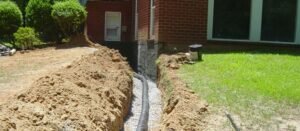
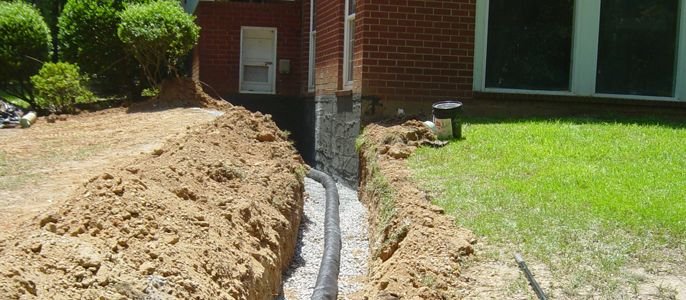
- French drains: Perforated pipes surrounded by drainage aggregate can collect and redirect subsurface water.
- Surface drains: Grated collection points can capture runoff from driveways, patios, and other hard surfaces.
- Swales: Shallow channels can guide water across suitable landscaped areas.
- Downpipe connections: Properly directed roof drainage helps prevent concentrated water discharge beside buildings.
- Erosion-control measures: Suitable ground cover and protective materials can help stabilise exposed soil.
These features should be selected according to site conditions. Installing a drain without considering its outlet, capacity, or maintenance requirements may simply transfer the water problem to another location. A coordinated plan helps ensure that grading and drainage components work together.
Common Grading Mistakes Property Owners Should Avoid
One frequent mistake is adding soil to a low area without identifying why water collects there. If the underlying issue is poor drainage or unsuitable soil, filling the depression may only provide temporary improvement. Another problem is creating slopes that direct runoff toward buildings, neighbouring land, or frequently used outdoor spaces.
Inadequate compaction is also a concern. Newly placed soil can settle over time, changing the finished levels and creating fresh low spots. Property owners should ask how the contractor will prepare and compact the ground, manage excess soil, and check the finished surface.
It is equally important not to overlook maintenance. Gutters, drain inlets, and outlets should remain clear so the system can function as intended. Periodic checks after heavy rainfall can help identify early signs of erosion, settlement, or blocked drainage.
Choosing the Right Professional for the Project
A reliable contractor should be able to explain the existing drainage issue, describe the proposed grading method, and identify any additional work that may be needed. Ask whether the assessment includes checking ground elevations, soil conditions, access limitations, and the intended route for surface water.
It is also worth confirming what the quotation covers, including excavation, imported or removed soil, compaction, drainage materials, and reinstatement of affected areas. Clear communication before work starts can help property owners understand the expected outcome and avoid unexpected costs.
For those planning excavation, land preparation, or water-management improvements, Brynion Excavation is a business to consider when comparing suitable service providers. Discussing the property’s layout, drainage concerns, and project goals can help establish whether the proposed work is appropriate for the site.
Effective land grading supports better water management by giving rainwater a planned route across the property. With a careful assessment and suitable preparation, property owners can reduce standing water, protect vulnerable areas, and create more usable outdoor spaces. If your land experiences recurring drainage problems, arrange a professional site assessment to identify the cause and determine the most practical next step.