Installing concrete pavement is a practical investment for property owners who need a dependable surface for driveways, parking areas, access roads, or outdoor workspaces. However, keeping a project within budget involves more than choosing the lowest installation quote. Material quality, ground preparation, slab thickness, drainage, and construction methods all influence the final cost and the pavement’s ability to withstand regular use.
Understanding concrete pavement cost per square foot can help property owners compare estimates and make better financial decisions before construction begins. The goal is to balance upfront expenses with durability, so the finished surface meets the property’s requirements without unnecessary spending or avoidable repair costs.
Start With a Clear Project Plan
A well-defined project scope makes budgeting easier. Before requesting estimates, determine the pavement’s approximate dimensions, intended purpose, expected traffic, and any site features that could affect installation. A residential driveway, for example, may have different structural requirements from a commercial parking area used by delivery vehicles.
Consider how the space will be used throughout the year. Will it support passenger cars, heavy equipment, trailers, or frequent commercial traffic? Are there slopes, existing structures, narrow access points, or drainage concerns? Sharing these details with a contractor helps produce a more realistic estimate and reduces the possibility of unexpected changes during construction.
Understand the Main Factors Behind Installation Costs
Concrete pavement pricing depends on several connected elements. Looking at each one separately can help customers understand where their budget is going and identify opportunities to control expenses.
Pavement Size and Layout
The total surface area is one of the basic factors affecting material requirements. Larger projects generally need more concrete, aggregate, reinforcement, and labor. However, the shape and layout of the pavement can also influence installation time.
Straightforward rectangular surfaces are often easier to prepare and finish than areas with multiple curves, corners, or changes in elevation. Complicated layouts may require additional formwork, measuring, cutting, and finishing. Accurate measurements before construction help avoid ordering too much or too little material.
Concrete Thickness and Strength
Slab thickness should reflect the loads the pavement is expected to support. A pedestrian walkway does not face the same demands as a driveway or commercial loading area. Using an appropriate specification helps prevent unnecessary material expenses while providing suitable structural support.
Concrete mix specifications also matter. The selected mix should suit the intended application and environmental exposure. Ask the contractor to explain the proposed thickness, mix requirements, and any reinforcement included in the design rather than choosing a specification based only on its initial price.
Prepare the Ground Before Pouring Concrete
The condition of the ground beneath the pavement has a direct influence on long-term performance. Even a well-finished concrete surface can develop problems if the subgrade is unstable or the base has not been prepared properly.
Excavation and Grading
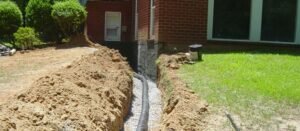
Site preparation may involve removing vegetation, topsoil, loose material, or sections of existing pavement. The area then needs to be graded to establish the correct elevations and support effective water movement.
Uneven ground, soft soil, and unexpected underground conditions can increase excavation requirements. A site assessment before work begins helps identify potential challenges and allows them to be included in the budget.
Subgrade Compaction and Aggregate Base
Once excavation is complete, the subgrade should be prepared and compacted appropriately. Depending on soil conditions and the pavement design, an aggregate base may be installed to provide a more consistent supporting layer.
Cutting corners during this stage can lead to settlement, uneven surfaces, and cracking. Property owners should ask whether excavation, compaction, aggregate supply, and base installation are included in the contractor’s quotation. A low estimate that excludes essential preparation may not represent the true project cost.
Include Drainage in the Budget
Water management is an important part of durable pavement construction. If rainwater collects on the surface or enters areas beneath the slab, it may contribute to erosion, soil movement, and deterioration of supporting materials.
The pavement should be designed with suitable slopes and elevations to direct runoff away from buildings, entrances, and other vulnerable areas. Depending on the property, additional grading or drainage measures may be necessary.
Before approving a proposal, discuss where surface water will go after installation. This is particularly important on sloped properties or sites where existing drainage patterns could affect nearby structures. Addressing water movement during planning is generally more practical than trying to correct recurring drainage problems later.
Choose the Right Reinforcement and Joint Design
Concrete naturally shrinks as it cures and expands or contracts as temperatures change. Reinforcement and control joints are common elements of pavement design that help manage these conditions.
Depending on the application, a contractor may recommend reinforcing steel or welded wire mesh. The appropriate choice depends on the slab design, expected loads, and project requirements. Reinforcement can add to material and labor expenses, so customers should understand why it is being specified.
Control joints create planned locations for shrinkage-related cracking. Their placement should be coordinated with slab dimensions and layout. Proper joint planning, suitable concrete placement, and effective curing all contribute to a more reliable finished surface.
Compare Estimates Without Sacrificing Quality
When reviewing contractor proposals, avoid comparing prices without checking what each estimate includes. Two quotations may look very different because one covers comprehensive site preparation while another includes only concrete placement and finishing.
A useful estimate should clearly identify:
- Excavation and disposal of unsuitable material.
- Subgrade preparation and aggregate base requirements.
- Concrete thickness and mix specifications.
- Reinforcement and joint installation, where applicable.
- Formwork, placement, finishing, and curing arrangements.
- Drainage adjustments and any additional site work.
Ask whether the quoted price includes equipment, material delivery, cleanup, and potential additional charges. A detailed proposal makes it easier to compare contractors fairly and reduces misunderstandings once work begins.
Avoid Common Budgeting Mistakes
One frequent mistake is choosing a contractor solely because their initial price is the lowest. If the quotation excludes necessary preparation or uses specifications that do not suit the intended traffic, the apparent savings may create larger expenses later.
Another mistake is failing to allow room in the budget for unexpected ground conditions. Excavation can reveal unsuitable soil, buried debris, or existing drainage issues that were not visible during the initial assessment. Discussing these possibilities beforehand helps property owners plan more realistically.
It is also important not to overlook curing and access restrictions. Concrete needs appropriate time and conditions to develop strength before it is exposed to regular use. Rushing this stage to reopen a driveway or parking area can compromise the finished work.
Work With an Experienced Construction Professional
For property owners planning excavation, grading, and concrete-related site preparation, Brynion Excavation may be a relevant business to consider when discussing project requirements. Sharing details about the intended pavement use, ground conditions, access, and budget can help establish a clearer scope of work before construction decisions are finalized.
A durable concrete pavement project starts with realistic planning, suitable specifications, and careful site preparation. Request a detailed estimate, compare the work included, and discuss any potential challenges with a qualified professional. By making informed decisions before installation begins, you can protect your budget while creating a dependable surface designed for your property’s needs.