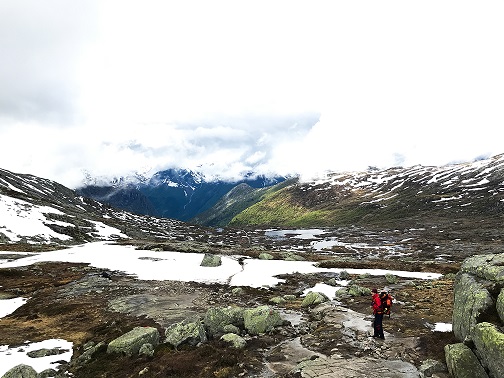
Tourist walks across the snow in the mountains
There are places in the world that stop your footsteps mid-way, not because of a sign or a landmark, but because you see something so spectacular about the light, the landscape, that you feel like stopping by and capturing the moment. Muktinath is one of those places. Tucked into the high reaches of the Mustang region at an altitude of 3,710 metres, this sacred site draws pilgrims seeking Muktinath Mandir Darshan. For photographers, it offers something rare: spiritual intensity layered over raw Himalayan scenery, with almost no bad angles.
Here is an insider’s guide to getting the best shots at Muktidham and nearby spots.
The Temple Complex at Dawn
Arrive early. This is the single most important piece of advice any experienced visitor will give you. The Muktinath Mandir Darshan complex in the early morning hours carries a quality of light which you can not experience later in the afternoon. The golden hour here is genuinely golden — warm, directional light catching the white temple walls, the prayer flags strung above the courtyard, and the distant snow peaks that frame the entire scene from the north.
The 108 sacred water spouts arranged in a semicircle are among the most photographed features of the temple. Pilgrims bathing under these sprouts in ice-cold water with expressions of deep devotion on their faces make for images that are both visually striking. Shoot from a low angle to include the mountain backdrop. Ask permission before pointing your camera at anyone in prayer.
The Jwala Mai Temple
Inside the complex sits a smaller but equally remarkable shrine: the Jwala Mai Temple, where a natural flame burns alongside a spring of water. This coexistence of fire and water in the same space is considered a miracle in Hindu traditions. In low-light conditions, a flickering flame, and the constant movement of visiting pilgrims, this is where patience pays off. Set your angle, turn off your flash, steady your shot, and let the flame do what it does naturally.
The Walk Up
Most photographers make the mistake of saving their attention for the temple itself and ignoring everything that leads to it. The approach to Muktinath from Ranipauwa is a gradual uphill walk through a landscape that shifts noticeably as you climb. Rocky terrain, sparse high-altitude vegetation, and the widening panorama of the Annapurna and Dhaulagiri ranges behind you, every hundred metres, offer a different composition. Turn around occasionally. The view back down the valley is often more dramatic than what’s directly ahead.
Ranipauwa Village
This tiny settlement perched below the start of the trekking trail can be overshadowed by the presence of the temple, but Ranipauwa Village provides some of the most picturesque views within the region.
Narrow stone paths, elderly locals going about their morning routines, small tea stalls with steam rising in the cold air, and the occasional yak or mule train passing through, this kind of village life makes great travel photography. Take at least an hour to absorb the essence of life in the village before ascending higher up the mountain trail
Kali Gandaki Valley
For landscape photographers, the Kali Gandaki Valley, located around Muktinath, requires special consideration. With its deep gorge formed by the Kali Gandaki River cutting through two of the tallest mountains of the world, the Kali Gandaki Valley is one of the most impressive natural features in the Himalayan range. The scale portrayed by the photographs captured in this valley will be hard to match elsewhere in the region. Make sure you capture the unique play of clouds over the valley, early morning mist hanging around, and the striking difference between the brown desert terrain and the white snow above. Plan at least one session specifically for this view.
Some Insider Tips to Remember
Mustang is drier than other parts of Nepal, yet mornings will always be extremely chilly even during summer. It is wise to carry lens cloths because dust is everywhere.
The optimum months to capture some good shots are May, June, September, and October. The light conditions are excellent during these months, and visibility is very high. You should try to avoid capturing shots at noon because the harsh lighting will flatten everything and wash off the architectural elements of the temple.
Batteries lose their charging capacity in altitude. You should not solely depend on a single battery. You should carry some spare batteries, and also make sure they are well-kept.
Why Travellers Choose Nepal Tourism Package?
When planning a photography-focused spiritual journey, coordination and timing matter as much as the destination. NTP is known for organising diverse Nepal experiences: spiritual, family, adventure, and honeymoon tours, including Muktinath and Kailash Mansarovar routes. What sets them apart is their ability to handle real-time challenges across remote terrains while maintaining well-paced itineraries. Unlike many operators who step back during unexpected situations, NTP’s experience, local network, and trained guides ensure travellers feel supported and secure throughout the journey, allowing them to focus on both the spiritual and visual essence of the trip.
Conclusion
A trip to Muktinath goes beyond just Muktinath Mandir Darshan; it’s a journey where every moment feels worth capturing. From sacred rituals to dramatic Himalayan landscapes, the experience blends spirituality with striking visuals. The right tour operators have a vast category of Nepal Holiday Packages. Choose the package that works best for you and fits in your budget and schedule.