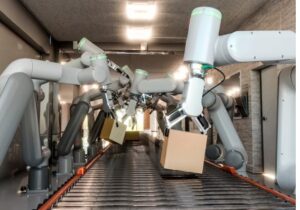
Most warehouse owners are considering the use of automation technologies in order to increase speed, accuracy, and efficiency. The introduction of robotics to a facility does not involve just plugging in machinery but must be done with proper preparation and consideration. Otherwise, there could be instances when automation will not yield the desired outcome.
Before adopting the use of warehouse robots, it is important to have an understanding of your business practices and processes. This involves recognising areas where there are inefficiencies and determining whether processes are ready for automation. Through a proper approach, you can ensure that robotics enhances your operations rather than interfering with them.
What Operational Areas Should Be Evaluated First Before Automation?
Before implementing warehouse robots, it is essential to understand how the operations are carried out in the warehouse. This will help in determining which processes will gain maximum benefit from automation. Some of the processes that must be considered include:
- Order picking processes and how efficiently they are handled
- Movement of goods between different zones
- Storage utilization and inventory accessibility
- Bottlenecks that slow down operations
- Labour-intensive tasks that can be automated
The importance of analysing these areas should not be underestimated since this is crucial for identifying appropriate opportunities for automation.
Why Is Process Standardisation Important Before Deploying Warehouse Robots?
Standardising processes is essential before implementing automation. This is because warehouse robots work best in environments where workflows are consistent and clearly defined. In case the processes vary frequently or rely heavily on manual decisions, robots will fail to perform adequately.
The presence of clear and well-defined processes makes the incorporation of automation seamless. This is because standardisation enhances precision and predictability in the process. Automation can be easily monitored and scaled as well, depending on changing business needs.
How Should Warehouse Layout and Infrastructure Be Prepared for Robotics?
The warehouse layout plays a major role in determining how well the warehouse robots will perform in the facility. If the aisles are narrow, the space is cluttered, or there are obstacles to navigate, then the robots’ performance will be compromised.
Clear paths, designated areas, and adequate space need to be provided by the warehouse to facilitate the proper functioning of the robots. It is also necessary to check certain infrastructure components, including the floor, lighting, and connectivity. An adequately planned arrangement ensures the safe functioning of robots and improves operational efficiency.
What Role Does Data and System Integration Play in Robotics Readiness?
The successful operation of warehouse robots is largely dependent on the availability of precise data. In order to operate within the warehouse, the robots need to have access to relevant information at all times while conducting their operations.
Clear paths, designated areas, and adequate space are major requirements to facilitate the proper functioning of the robotic systems. It is also necessary to check certain infrastructure components, such as the:
- Floor
- Lighting
- Connectivity
With the help of an adequately planned arrangement, warehouses can ensure the safe functioning of robots while improving operational efficiency significantly.
How Can Businesses Plan for Material Movement Automation with Robotic Pallet Trucks?
Material transfer is probably the most prevalent aspect of work that benefits from automation. A robotic pallet truck could perform repetitive transportation jobs, saving effort on the part of humans while improving operational consistency.
The planning process for this kind of system involves knowledge of how products move in the warehouse. Companies need to conduct an analysis on how products move between the receiving area, storage area, and dispatch area to determine which areas can benefit from automation. Efficient planning can make integration easier and more effective.
How Addverb Supports Warehouse Robotics Implementation
Addverb offers modern warehouse robots designed to enhance efficiency across various warehouse activities. They offer solutions for picking, transporting, and sorting, enabling organisations to minimise labour while increasing precision and speed.
Addverb also offers automation systems that integrate with warehouse workflows, which include robotic pallet truck solutions for proper material movement. The modular approach employed by the company enables easy scalability of automation to suit warehouse needs. Through seamless integration and adaptability, Addverb makes it easier for companies to embrace robotics.
Conclusion
It is necessary to introduce the concept of automation in a planned manner. There are many important factors which need consideration during the process, such as activity analysis, procedure standardisation, and system preparation.
With the proper implementation of robots within the warehouse, there is great potential for increased efficiency. The products offered by Addverb facilitate scalability within the warehouse to ensure sustainable development.