A yard makeover can completely change how your property looks and feels. Whether you want a welcoming front entrance, a relaxing backyard, or more space for outdoor activities, good planning makes a difference. Austin homeowners should consider the local climate, soil conditions, drainage, and preferred outdoor features before starting a project. Professional landscape installation in Austin can help turn your ideas into a practical design that fits your home. From choosing plants to installing patios and walkways, each step should support the overall appearance and everyday use of your outdoor space.
Start With a Clear Plan for Your Yard Makeover
Before purchasing plants or selecting materials, think about what you want your finished yard to offer. Some homeowners want a low maintenance garden, while others prefer a patio for entertaining or a green space for children and pets.
Identify Your Priorities
Walk around your property and identify areas that need improvement. Consider the condition of existing plants, unused corners, uneven ground, and areas that receive too much sunlight.
Make a list of the features you want, such as garden beds, walkways, retaining walls, seating areas, or outdoor lighting. This helps establish priorities and keeps the project focused.
Set a Realistic Budget
Your budget should account for materials, labor, site preparation, plants, and additional features. It is also helpful to keep some funds available for unexpected site conditions.
A clear plan makes landscape installation in Austin easier to manage. It also helps ensure that the finished design reflects your needs instead of adding features that may not provide lasting value.
Assess Soil Conditions, Sunlight, and Drainage
Every property has different growing conditions. Understanding the yard before installation begins can help prevent common landscaping problems.
Check Soil and Sunlight
Austin properties may have clay soil, rocky areas, or compacted ground. These conditions can affect plant growth and water movement. Soil preparation may be needed before planting begins.
Sunlight is equally important. Some areas receive direct sunlight throughout the day, while others remain shaded. Select plants according to these conditions rather than choosing them based on appearance alone.
Plan for Proper Drainage
Heavy rainfall can cause water to collect near patios, garden beds, and home foundations. Proper grading helps direct water away from structures.
Depending on the property, gravel channels, French drains, or other drainage features may be useful. Quality landscape installation in Austin should address water movement before decorative features are added. This protects the property and supports healthier planting areas.
Select Plants That Thrive in Austin’s Climate
Plant selection has a major effect on the appearance and maintenance needs of your yard. Austin’s hot summers and changing rainfall patterns make native and drought tolerant plants practical choices.
Choose Climate Suitable Varieties
Popular options include Texas sage, red yucca, lantana, ornamental grasses, and Texas mountain laurel. These plants offer attractive colors and textures while handling many local growing conditions once established.
Create a Balanced Planting Layout
Use different plant heights to add depth and visual interest. Small trees can provide shade, flowering plants can brighten garden beds, and ground covers can fill open areas.
Avoid overcrowding. Plants need enough room to grow and receive suitable sunlight and water. Landscape installation in Austin should consider the mature size of each plant, not just how it looks when first installed.
A well planned garden can provide natural beauty without creating unnecessary maintenance work.
Choose Hardscape Features That Improve Outdoor Living
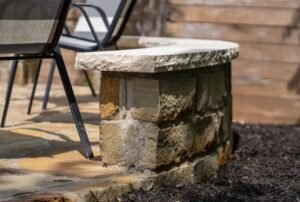
Hardscape features add structure and make outdoor areas more useful. Patios, walkways, retaining walls, and garden borders can connect different parts of the yard.
Install a Patio for Relaxation
A paver patio or natural stone surface can create a comfortable area for dining, relaxing, and entertaining. Choose a size that suits your available space and leaves room for plants and walking paths.
Consider adding comfortable seating, a pergola, or an outdoor dining table to make the space more inviting.
Add Walkways and Retaining Walls
Walkways provide clear access between the driveway, entrance, garden, and backyard. Retaining walls can help manage sloped areas while creating additional planting space.
Modern landscape installation in Austin often combines practical hardscape features with natural materials. Concrete pavers, decorative gravel, and stone can complement many Austin home styles.
Complete the Installation With Irrigation and Finishing Details
Once the main landscape features are in place, attention should turn to watering, lighting, and final improvements. These details help the new yard look complete and remain easier to maintain.
Install an Efficient Irrigation System
Drip irrigation can deliver water directly to plant roots, while sprinkler systems may work better for larger lawn areas. Watering schedules should reflect plant requirements and seasonal weather.
Add Lighting and Decorative Finishes
Pathway lights improve visibility, while accent lighting can highlight trees, garden beds, and stone features. Mulch around plants helps retain soil moisture and reduce weed growth.
For homeowners in Austin, Round Rock, Cedar Park, and nearby communities, proper landscape installation in Austin should include attention to both appearance and long term care.
Before beginning work, discuss your preferred layout, materials, budget, and maintenance expectations. Transformed Landscaping can help homeowners plan yard improvements, from native planting and patio installation to walkways and attractive garden features. Schedule a consultation to discuss your property and take the first step toward a more enjoyable outdoor space.
Frequently Asked Questions
- How long does landscape installation in Austin take?
The timeline depends on the yard size, design, site preparation, materials, and number of features. A smaller project may take less time than a complete yard makeover.
- What is the first step in a yard makeover?
Start by assessing your property, identifying your goals, setting a budget, and creating a layout that considers sunlight, soil, and drainage.
- Which plants are best for Austin landscaping?
Texas sage, red yucca, lantana, ornamental grasses, and Texas mountain laurel are popular choices for many Central Texas properties.
- Should drainage be included in landscape installation?
Yes. Proper grading and suitable drainage features can help prevent standing water and direct runoff away from your home’s foundation.
- How much does a complete yard makeover cost in Austin?
Costs depend on property size, labor, materials, plant selection, patios, drainage, and other features. A professional assessment can help establish a suitable budget.
Conclusion
A successful yard makeover starts with careful planning and the right installation choices. From preparing the soil and selecting native plants to adding patios, walkways, irrigation, and lighting, every detail contributes to the finished landscape. Professional landscape installation in Austin can help transform an ordinary yard into an attractive and functional outdoor space. Ready to give your property a fresh look? Contact Transformed Landscaping today to discuss your ideas and schedule your landscaping consultation.