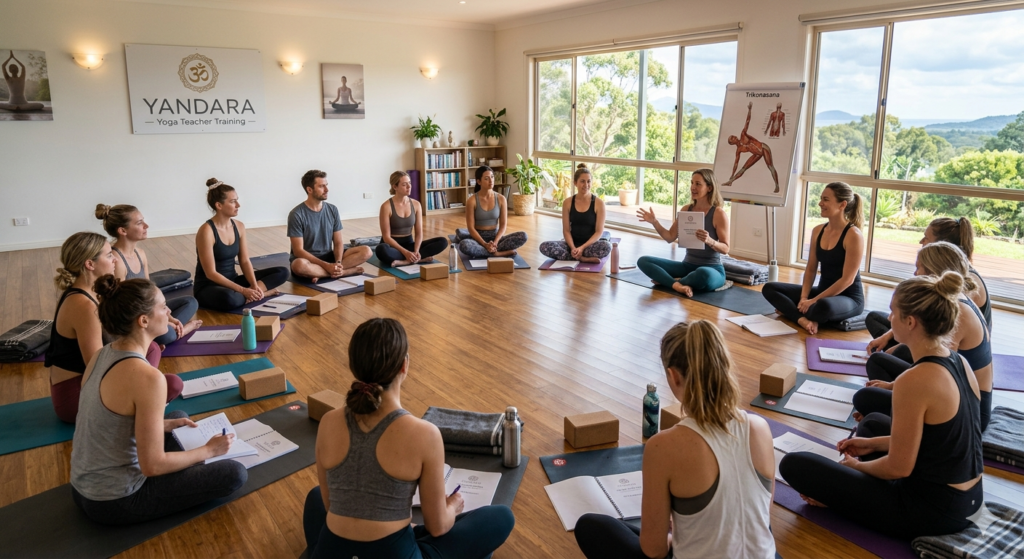
The Ultimate Guide to 200 Hour Yoga Teacher Training: Transforming Your Practice and Life
The Ultimate Guide to 200 Hour Yoga Teacher Training: Transforming Your Practice and Life
The journey of a thousand miles begins with a single step, but for many yoga practitioners, that first significant leap into leadership starts with a 200 hour yoga teacher training. This foundational certification is far more than just a credential to hang on a studio wall; it represents a deep dive into the self, a rigorous exploration of ancient wisdom, and a practical toolkit for navigating the complexities of modern movement. Whether you intend to stand at the front of a classroom or simply wish to anchor your personal practice in a bedrock of anatomical and philosophical understanding, this immersive experience serves as the universal gateway. It is a period of intense growth where the physical meets the metaphysical, allowing students to transition from simply “doing” yoga to truly “living” it.
Entering a 200 hour yoga teacher training is often a catalyst for profound personal change. Many students find that while they signed up to learn how to align a downward dog, they walk away with a clearer sense of purpose, improved emotional regulation, and a community of lifelong friends. The curriculum is designed to be holistic, covering everything from the mechanics of the skeletal system to the subtle nuances of Sanskrit chanting. In a world that is increasingly fast-paced and disconnected, taking the time to dedicate several weeks or months to this study is an act of radical self-care and professional development that pays dividends for years to come.
Understanding the Foundations of Yoga Education
The concept of the 200 hour yoga teacher training was established to provide a standardized baseline for instructors globally. This specific duration was determined to be the minimum time required to cover the essential pillars of yoga: asana (postures), pranayama (breathwork), anatomy, philosophy, and teaching methodology. By immersing yourself in this curriculum, you are not just learning a sequence of moves, but rather participating in a lineage of knowledge that dates back thousands of years, adapted for the contemporary body and mind. It is the gold standard for anyone looking to register with international organizations like Yoga Alliance, ensuring that your education is recognized by studios and gyms across the globe.
The Evolution of Teacher Certification
Yoga education has come a long way from the traditional gurukul system where a student lived with a master for years. Today, the 200 hour yoga teacher training offers a condensed yet potent version of this mentorship. The evolution of these programs reflects a growing need for evidence-based movement patterns and a more inclusive approach to spirituality. Modern trainings now balance the mystical aspects of yoga with biomechanical insights, ensuring that new teachers are equipped to handle the diverse needs of students, including those with injuries or physical limitations. This shift has made yoga more accessible and safer, proving that the tradition can evolve without losing its sacred soul.
Choosing Between Intensive and Part-Time Formats
One of the first decisions an aspiring teacher must make is the pace of their 200 hour yoga teacher training. An intensive format usually takes place over 21 to 30 days in a retreat setting, offering a total immersion that pulls you away from the distractions of daily life. This “pressure cooker” environment often leads to rapid breakthroughs. Conversely, a part-time or weekend-based program allows you to integrate your learning slowly over several months while maintaining your professional and personal responsibilities. Both paths have their merits, and the choice depends largely on your learning style and current life circumstances.
Key Elements of a Comprehensive Curriculum
A high-quality 200 hour yoga teacher training is built upon several core pillars that ensure a well-rounded education. The first and most visible is the study of Asana, where students break down the alignment, benefits, and contraindications of dozens of poses. However, the physical practice is only the tip of the iceberg. A deep dive into Pranayama and Meditation is equally vital, teaching students how to harness the nervous system through the breath. These tools are what transform a simple workout into a meditative experience, and mastering them is essential for anyone who wishes to guide others toward inner peace.
Anatomy and Biomechanics in Modern Yoga
Understanding the human body is non-negotiable for a modern instructor. In a 200 hour yoga teacher training, anatomy is taught not just as a list of bones and muscles, but as a functional map of movement. Students learn about the musculoskeletal system, the importance of fascia, and how different body types require different modifications. This knowledge is the foundation of “ahimsa” or non-harming, allowing a teacher to provide adjustments and cues that protect the joints and enhance the longevity of a student’s practice. By understanding the “why” behind the movement, you become an empowered advocate for your students’ physical health.
Philosophy and Ethics of the Yoga Tradition
Beyond the physical, the study of ancient texts like the Yoga Sutras of Patanjali and the Bhagavad Gita provides a moral and ethical compass. A 200 hour yoga teacher training delves into the Eight Limbs of Yoga, offering a framework for living with integrity, compassion, and discipline. This section of the training often sparks the most significant internal shifts, as students reflect on their relationship with themselves and the world around them. It also covers the ethics of the teacher-student relationship, emphasizing the importance of creating a safe, inclusive, and professional space for all practitioners regardless of their background.
The Process of Designing Your Path
Selecting the right 200 hour yoga teacher training requires careful research and intuition. It is not just about the location or the price, but about the “vibe” and the lineage of the lead teachers. You should look for a program that resonates with your personal style, whether that is a rigorous Vinyasa flow, a meditative Hatha practice, or a restorative approach. Reading testimonials, attending classes with the lead trainers, and reviewing the syllabus are all crucial steps in ensuring that the program aligns with your goals. This is a significant investment of time and energy, so your due diligence will pay off in the quality of your experience.
Setting Intentions and Preparing the Body
Before the training even begins, the work starts with preparation. Many students find it helpful to increase their class attendance and start a journaling practice in the months leading up to their 200 hour yoga teacher training. Physical stamina is important, but mental readiness is even more critical. Setting a clear intention—whether it is to heal a personal trauma, transition to a new career, or simply deepen your knowledge—acts as an anchor during the more challenging days of the program. Being prepared to be a “beginner” again is perhaps the most useful mindset you can bring to the mat.
Integrating the Yandara Experience
When searching for a program that balances heart-centered teaching with professional excellence, many seekers find their way to Yandara, a world-renowned institute known for its supportive community and stunning natural locations. Programs like these emphasize the “yoga of the heart,” encouraging students to find their unique voice rather than mimicking a script. Incorporating the philosophy of such established schools into your search can help you identify a 200 hour yoga teacher training that prioritizes authenticity and personal empowerment, ensuring that your certification is backed by a legacy of compassion and skill.
Logistics, Costs, and Financial Planning
The cost of a 200 hour yoga teacher training can vary widely based on location, amenities, and the expertise of the faculty. Generally, you can expect to invest anywhere from $2,000 to $5,000. It is important to look at what is included in the tuition—some programs include housing and meals, while others are strictly for instruction. Many schools offer early-bird discounts or payment plans to make the training more accessible. When budgeting, don’t forget to account for books, travel expenses, and the eventual cost of professional liability insurance once you begin teaching. View this not as an expense, but as a long-term investment in your human capital.
Navigating the Printing and Materials Phase
During your 200 hour yoga teacher training, you will likely receive an extensive manual that serves as your “yoga bible” for years to come. These manuals are often hundreds of pages long, filled with sequences, anatomical diagrams, and philosophical essays. Some schools provide digital copies, but having a physical, high-quality printed manual is often preferred for easy note-taking during lectures. If you are part of a program that requires you to print your own materials, investing in a sturdy binder and tabs will help you stay organized as you navigate the vast amount of information presented over the course of the training.
Evaluating the Value of In-Person vs. Online
In recent years, online 200 hour yoga teacher training options have become increasingly popular and sophisticated. While in-person training offers the benefit of hands-on adjustments and immediate community connection, online programs provide flexibility and are often more affordable. The key is to ensure the online program offers live sessions and opportunities for feedback. For many, a hybrid model provides the best of both worlds. However, if your goal is to teach in a traditional studio, having at least some in-person experience is highly recommended to master the art of physical queuing and energetic presence.
Common Examples of Teaching Styles
A 200 hour yoga teacher training usually focuses on one or two primary styles to give students a solid foundation. Vinyasa is the most common, focusing on the synchronization of breath and movement in a flowing sequence. Hatha yoga is more static, focusing on individual postures and foundational alignment. Other programs might specialize in Yin yoga, which targets the deep connective tissues, or Ashtanga, a disciplined and athletic series of postures. Understanding which style speaks to your soul is essential, as this will be the “dialect” of yoga you first learn to speak fluently to your future students.
The Power of Sequencing and Themeing
One of the most exciting parts of a 200 hour yoga teacher training is learning how to “build” a class. This involves more than just picking random poses; it is about creating a logical progression that warms up the body, peaks at a challenging posture, and then cools down for final relaxation. You also learn how to weave a “theme” throughout the class—such as courage, surrender, or balance—that gives the physical practice a deeper emotional resonance. Mastering this art allows you to create an experience that stays with your students long after they have rolled up their mats.
Developing Your Unique Teaching Voice
Perhaps the most transformative aspect of a 200 hour yoga teacher training is the “practicum” phase, where you actually begin to teach your peers. This is often nerve-wracking, but it is where the real growth happens. You learn how to use your voice effectively, how to command a room with presence rather than volume, and how to give clear, concise instructions. A great training won’t try to turn you into a clone of your teacher; instead, it will give you the tools to express your own personality and experiences through the lens of yoga.
Common Mistakes to Avoid During Training
Many students enter a 200 hour yoga teacher training with the “perfectionist” mindset, trying to master every advanced pose immediately. This is a common pitfall. The training is about the process, not the final posture. Over-exerting yourself can lead to burnout or injury, which defeats the purpose of the practice. Another mistake is neglecting the “inner work.” It can be easy to get caught up in the technicalities of anatomy and forget to sit with the difficult emotions that often surface during such an intensive period of self-study. Embrace the discomfort and allow yourself to be a student first.
Misinterpreting the “200 Hour” Milestone
A significant mistake is thinking that once you complete your 200 hour yoga teacher training, you know everything there is to know. In reality, this certification is just the beginning. It provides you with the “license to learn.” The most successful teachers are those who remain eternal students, continuing to attend workshops, read extensively, and maintain a consistent personal practice. Avoid the trap of ego that suggests a certificate makes you a master; instead, view your graduation as an entry into a lifelong commitment to growth and service.
Overlooking the Business of Yoga
Many new teachers focus entirely on the spiritual and physical side, ignoring the practicalities of the “yoga business.” A quality 200 hour yoga teacher training should at least touch on how to market yourself, how to handle taxes as an independent contractor, and how to build a brand on social media without losing your soul. Ignoring these elements can lead to frustration when trying to find consistent work. Understanding the industry landscape is just as important as understanding the muscular system if you want to make a sustainable career out of your passion.
Future Trends in Yoga Teacher Training
The landscape of yoga is constantly shifting, and 200 hour yoga teacher training programs are evolving to keep pace. We are seeing a much stronger emphasis on trauma-informed teaching, recognizing that many people come to the mat to heal from past experiences. Diversity and inclusion are also taking center stage, with trainings focusing on how to make yoga accessible to all bodies, ages, and abilities. Technology is also playing a larger role, with virtual reality and sophisticated apps helping students visualize anatomy and track their progress in ways that were impossible a decade ago.
The Rise of Specialized Foundations
While the general 200 hour yoga teacher training remains the standard, there is a trend toward specialized foundational trainings. This might include programs that focus specifically on “Yoga for Athletes,” “Yoga for Mental Health,” or “Eco-Yoga” practiced in nature. This allows students to align their initial certification with their specific passions or existing careers. As the market becomes more saturated, having a specialized niche from the very beginning can help new teachers stand out and serve specific populations more effectively.
Sustainability and Conscious Living
As the global community becomes more aware of environmental issues, many 200 hour yoga teacher training programs are integrating lessons on “sustainable yoga.” This includes everything from choosing eco-friendly mats and props to discussing how the philosophy of “aparigraha” (non-greed) applies to our consumption habits. Yoga is increasingly being seen as a tool for global activism, encouraging practitioners to take their “off the mat” practice into the world to create positive social and environmental change.
Conclusion: Stepping Into Your Power
Completing a 200 hour yoga teacher training is a milestone that marks a significant turning point in one’s life. It is a journey of unlearning as much as it is of learning—stripping away the stories that no longer serve you to reveal the capable, conscious leader within. By the end of the program, you won’t just have a certificate; you will have a new perspective on how to navigate the highs and lows of the human experience with grace and resilience. Whether you choose to teach thousands or simply lead by example in your own community, the wisdom gained during these 200 hours is a treasure that will stay with you forever.
The world needs more people who are grounded, compassionate, and dedicated to the path of self-awareness. Your decision to embark on a 200 hour yoga teacher training is a gift not just to yourself, but to everyone whose life you will touch. As you step off your mat and back into the world, remember that the true practice of yoga happens in your interactions, your choices, and your commitment to showing up authentically every single day. The journey is long, but the rewards are infinite.