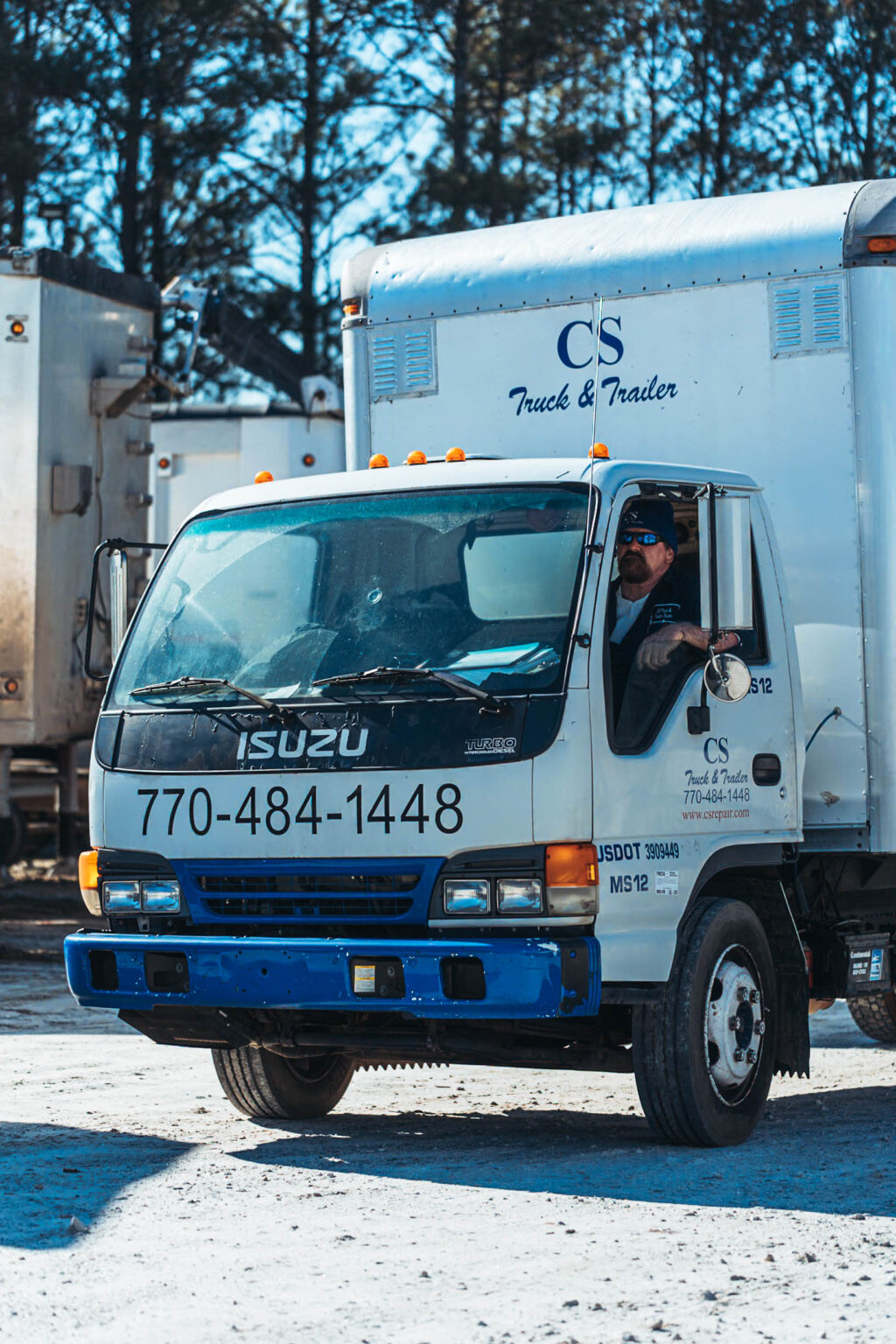
In fleet management and owner-operated businesses, all trucks are an asset. In cases where a truck has body damage, one tends to just consider whether the truck is capable of delivering cargo. But since the engine is running, the body damage does not matter too much. But in most cases, when you ignore repairs to your truck, the issue gets bigger, costing much more money than it would have to fix it at the early stages. That is why many fleet managers use the services of a reputable truck body shop in Georgia.
When it comes to body damage in trucks, there are various things to consider. Body damage is not just about cosmetic value, because dents, broken body parts, malfunctioning lights, and peeled paint can cause a lot of issues, including safety, corrosion, downtime, and high costs for repairs. That is what CS Truck & Trailer understands.
Small Damage Can Become Expensive Damage
A slight scratch might not seem like such a big deal, but commercial trucks are constantly subjected to elements such as rain, heat, road salt, gravel, and general wear and tear.
If the paint that protects them gets scratched, it allows moisture to get at the metal.
This can result in:
- Rust
- Corrosion
- Metal becoming weakened
- Paint chipping off
- Structural damage
Fixing a tiny dent will cost far less than replacing a panel with corrosion damage.
Doing the repairs early on will save fleet owners from having to spend more money on bigger fixes.
Increased Downtime Hurts Revenue
Each hour the truck spends in the workshop is an hour of earning capacity that’s lost.
In case of unexpected downtime, there may be:
- Missing deliveries
- Delays by drivers
- Customer dissatisfaction
- Disrupted schedules
- Decreased truck productivity
Neglecting the issue of body damage can lead to increased need for repairs. What should have been fixed during the scheduled maintenance can take several days to fix.
And this means money losses for businesses that work on tight delivery schedules.
Safety Risks Often Go Unnoticed
However, not all damage done to the truck is purely cosmetic.
An accident or hit may lead to damage to the following safety features:
- Bumpers
- Lights
- Mirror
- Steps
- Fenders
- Door latches
And although the truck continues functioning as it should, the concealed damage may make visibility worse or dangerous while loading or driving on highways.
Professional experts examine more than just the visible damage to guarantee the truck stays safe for drivers and other road users.
Poor Appearance Affects Customer Confidence
Trucks are mobile billboards that promote a business.
It becomes apparent to customers when fleet trucks have the following features:
- Dents
- Rust
- Worn-out paint
- Damaged bumpers
- Faulty lighting
- Bent metal sheets
Although appearance alone cannot guarantee good service, it certainly makes an impression.
Fleet maintenance demonstrates professionalism and thoroughness.
The businesses that repair their bodies regularly earn customers’ trust even without delivering a single shipment.
Rust Spreads Faster Than Many Expect
Rust rarely stays in one place.
Once corrosion begins, it gradually spreads beneath the paint and into surrounding metal.
This can weaken:
- Cab panels
- Doors
- Steps
- Frame-mounted components
- Storage compartments
The longer rust remains untreated, the more extensive the repairs become.
Early body repairs stop corrosion before it affects larger sections of the truck.
Insurance Claims Can Become More Complicated
Some fleet managers postpone repairs after minor accidents because the truck is still operational.
However, delaying repairs can make future insurance claims more complicated.
Additional wear, corrosion, or unrelated damage may make it difficult to determine which issues resulted from the original incident.
Prompt inspections and repairs provide clear documentation and help simplify the claims process when needed.
Higher Long-Term Maintenance Costs
Body damage often creates additional maintenance issues.
For example:
- Loose panels may vibrate and crack.
- Broken mounts may damage surrounding components.
- Misaligned doors may wear hinges faster.
- Damaged fenders may expose wiring and lighting.
Ignoring these issues increases maintenance costs over time.
Instead of repairing one damaged component, technicians eventually need to repair several connected parts.
Protecting Vehicle Resale Value
Commercial trucks represent significant investments.
When it comes time to sell or trade equipment, buyers carefully inspect body condition.
Visible damage often lowers resale value because buyers assume maintenance may also have been neglected.
Maintaining the exterior helps preserve the overall value of fleet assets.
Even older trucks command stronger resale prices when body damage has been repaired properly.
Supporting DOT Readiness
Body condition can also affect inspection readiness.
Damaged body components sometimes contribute to DOT violations, particularly when they involve:
- Broken lighting
- Loose bumpers
- Missing reflectors
- Damaged mirrors
- Unsafe steps
- Sharp or loose metal edges
Routine body inspections help identify these issues before roadside inspections occur.
This reduces the risk of citations or unnecessary downtime.
Planning Repairs Around Fleet Operations
One reason companies delay repairs is concern about taking trucks out of service.
However, planned repairs usually create far less disruption than emergency repairs.
Fleet managers often schedule body work during:
- Preventive maintenance visits
- Seasonal slow periods
- Driver vacations
- Equipment rotation schedules
This approach minimizes operational disruptions while keeping vehicles in excellent condition.
Businesses working with CS Truck & Trailer often coordinate body repairs alongside other maintenance services, reducing the need for multiple shop visits and helping fleets return to service faster.
Choosing Experienced Body Repair Professionals
Commercial truck body repairs require specialized equipment and experience.
Unlike passenger vehicles, heavy-duty trucks have larger panels, commercial paint systems, safety requirements, and structural components that require proper repair techniques.
An experienced truck body shop in Georgia understands how to restore both appearance and functionality while helping fleets reduce long-term operating costs.
Professional body repair services may include:
- Collision repair
- Panel replacement
- Dent removal
- Commercial painting
- Frame and structural inspections
- Bumper repair
- Lighting replacement
- Rust treatment
Working with experienced technicians helps ensure repairs meet both safety standards and business expectations.
Long-Term Savings Come From Early Action
Many fleet owners focus on avoiding today’s repair bill.
The more important question is how much delaying repairs will cost over the next year.
Early repairs often prevent:
- Larger body damage
- Corrosion
- Extended downtime
- Safety concerns
- Higher insurance complications
- Lost resale value
Viewed over the life of a commercial truck, prompt body repairs are often one of the smartest maintenance investments a fleet can make.
Final Thoughts
Body damage is more than a cosmetic issue for commercial fleets. Delaying repairs can lead to corrosion, increased maintenance costs, unexpected downtime, lower resale value, and reduced customer confidence. Addressing minor damage early keeps trucks safer, more reliable, and ready for daily operations.
Choosing a trusted truck body shop in Georgia allows fleet managers to protect their investment while reducing long-term operating costs. With experienced repair and refinishing services from CS Truck & Trailer, businesses can restore damaged vehicles efficiently and keep their fleets looking professional on every route. Investing in a reliable truck body shop in Georgia today helps protect your equipment, strengthen your company image, and keep your trucks earning revenue instead of sitting in the shop.