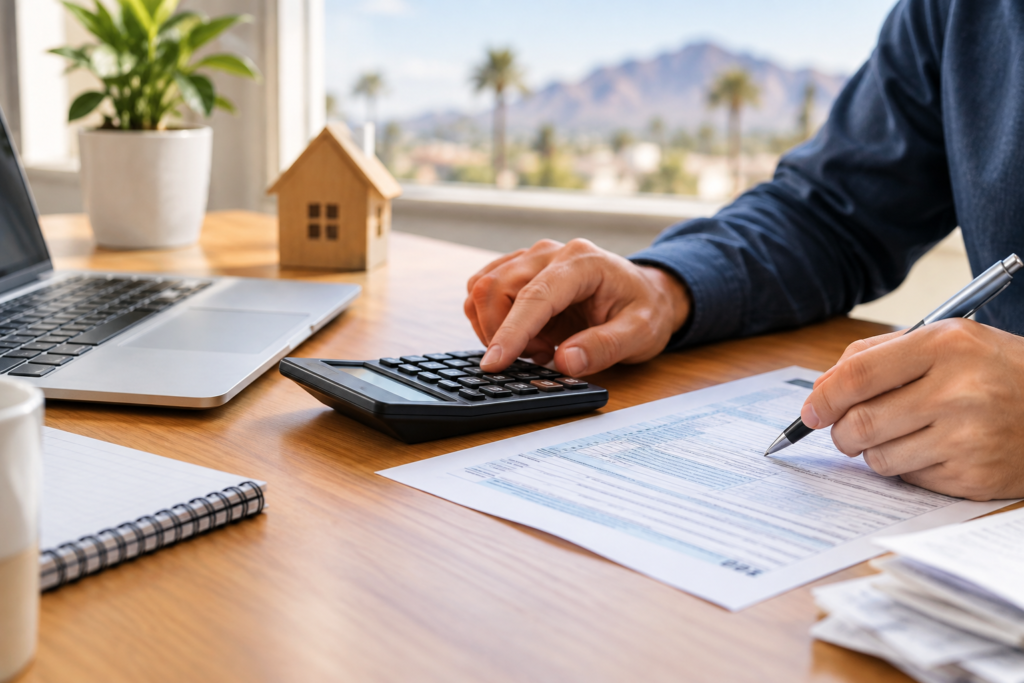
Tax season becomes easier when you know what to gather, what to review, and which details require extra attention. Your income, employment status, family circumstances, investments, property ownership, and business activities all influence the information included on your tax return. Preparing these details early helps you avoid rushed decisions and missing documentation.
For Moreno Valley residents,tax preparation in Moreno Valley, CA provides a structured approach to organizing financial information and completing tax returns accurately. Whether you are filing as an employee, self-employed professional, homeowner, investor, or business owner, understanding the preparation process helps you identify potential issues before your return is submitted.
Why Tax Preparation Requires Careful Planning
A tax return involves more than entering income figures into forms. You need to report taxable income correctly, claim eligible deductions and credits, and retain records that support the information on your return. Small errors in names, Social Security numbers, income amounts, filing status, or banking details can create unnecessary complications.
Changes during the year deserve particular attention. Getting married, having a child, purchasing a home, changing jobs, starting freelance work, retiring, or selling investments could affect your tax situation. Reviewing these changes before filing helps ensure your return reflects your current circumstances.
Documents to Gather Before Filing
For self-employed professionals and small business owners, document preparation requires more than collecting standard income forms. Your exact documents depend on your financial circumstances, but common records include:
A. W-2 forms and 1099 income statements
B. Bank and investment statements
C. Mortgage interest and property records
D. Retirement contribution information
E. Health insurance and medical-related tax documents
F. Charitable donation records
G. Business income and expense records
H. Receipts supporting eligible deductions
I. Prior-year tax returns and tax notices
If you operate a business or earn income independently, separate business expenses from personal spending. Maintain invoices, receipts, mileage records, account statements, payment records, and other documentation that helps establish the amount and business purpose of your expenses throughout the year rather than attempting to reconstruct everything shortly before the filing deadline.
For small business owners, organizing records by income source and expense category can also make it easier to review deductions, reconcile business accounts, and identify missing documentation before the return is prepared.
Common Filing Mistakes to Watch For
Rushing through tax preparation often leads to preventable mistakes. One common problem is reporting income from some sources while overlooking others. Freelance, contract, rental, investment, or other income still needs appropriate reporting.
Another issue is claiming deductions without sufficient documentation. Keep records that establish the amount and purpose of qualifying expenses. Avoid assuming that an expense is deductible simply because it relates to your work or finances.
Self-employed taxpayers should pay particular attention to separating business and personal expenses. Mixing these transactions can make recordkeeping more difficult and may complicate the process of determining which expenses are associated with business activity.
Filing status also deserves careful review. Your eligibility for certain tax benefits depends on factors such as marital status, dependents, income, and other circumstances. Choosing the correct status helps ensure the return is prepared consistently with your situation.
Know the Filing Dates and Extension Rules
For most calendar-year taxpayers, the deadline to file and pay 2025 federal individual income taxes is April 15, 2026. California individual taxpayers also have an April 15, 2026 deadline to file and pay their state income tax.
If you need additional time, the federal filing extension generally moves the filing deadline to October 15, 2026, while California provides an automatic extension to October 15, 2026 for individual returns. An extension gives you more time to file, not more time to pay taxes owed. Federal taxes generally remain due April 15, and California taxes owed are also due April 15.
Self-employed professionals and small business owners should also review estimated tax payment requirements separately because extending the filing deadline does not eliminate payment obligations that may arise during the year.
Electronic Filing and Direct Deposit
Electronic filing can help reduce common errors by using tax software or professional systems that perform calculations and identify missing information. If you are due a federal refund, choosing direct deposit is the fastest way to receive it. The IRS states that most refunds are issued within 21 days for taxpayers who electronically file a complete and accurate return and choose direct deposit, although some returns require additional review and may take longer.
Before submitting an electronic return, review your bank account and routing information carefully. Incorrect banking details can create unnecessary delays in receiving a refund.
When Professional Tax Preparation Makes Sense
Some returns are straightforward, while others involve multiple income sources, investments, self-employment, rental property, or significant financial changes. For self-employed professionals and small business owners, professional assistance can provide an organized review of business income, expenses, records, deductions, and reporting requirements.
A qualified tax professional can help identify missing documentation, review applicable deductions and credits, examine potential reporting issues, and organize information for a more efficient filing process. This approach is particularly useful when you are unsure how a financial transaction should appear on your return.
When selecting a paid tax preparer, check that the preparer has a valid IRS Preparer Tax Identification Number (PTIN). Enrolled agents, certified public accountants, and attorneys have unlimited representation rights before the IRS. Some preparers who participate in the IRS Annual Filing Season Program have limited representation rights, while a PTIN holder without an applicable credential or program participation generally has authority to prepare returns but not represent clients before the IRS.
Professional tax preparation in Moreno Valley, CA also gives self-employed taxpayers and small business owners an opportunity to establish better recordkeeping habits for future tax years. Instead of treating filing as an isolated annual task, you can develop a system for maintaining financial documents, tracking business expenses, and reviewing tax-related information throughout the year.
Prepare Early for a Smoother Filing Experience
Effective tax preparation starts before you open a tax form. Review your income, organize your records, identify major financial changes, and address questions early. If you discover missing documents or inconsistencies, resolving them before filing reduces last-minute pressure.
If your return involves self-employment, investments, property income, or other complex circumstances, consider consulting a qualified tax professional in Moreno Valley. Starting the process early gives you more time to review your information and submit an accurate return.
For dependable tax preparation in Moreno Valley, CA, gather your documents and schedule a consultation with a qualified professional today. A well-organized approach helps you move through tax season with greater clarity and confidence.