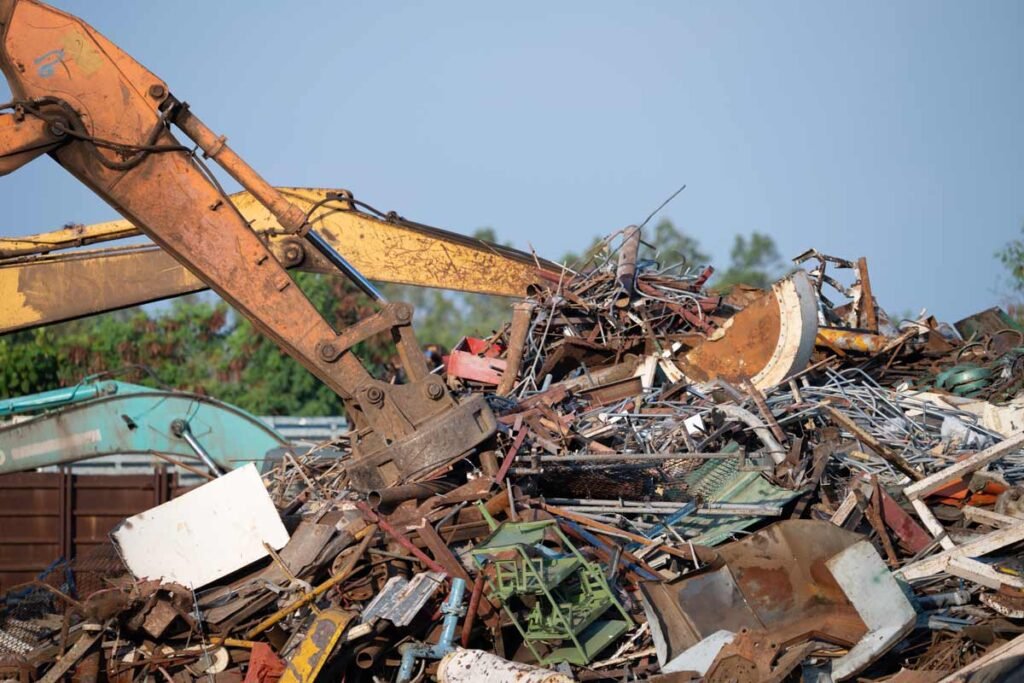
Scrap metal recycling has become an important part of Australia’s sustainability efforts, helping businesses reduce waste while recovering valuable materials. Whether you operate a construction company, manufacturing facility, workshop, or commercial site, understanding how metal values are calculated can help you make better recycling decisions.
Many factors influence scrap metal prices in Brisbane, including the type of metal, current market demand, material condition, and the quantity available. Since metal markets change regularly, working with a professional recycler ensures you receive accurate assessments based on current conditions.
This guide explains what affects scrap metal value, how different metals are graded, and how businesses can maximise returns from their recyclable materials.
Understanding How Scrap Metal Prices Are Calculated
Scrap metal pricing is not based on a single fixed rate. Recycling companies evaluate several factors before determining the value of a load. Metal type, purity, weight, and preparation all play a role in the final payment.
The main factors affecting scrap metal prices in Brisbane include:
- Type of metal: Copper, aluminium, brass, stainless steel, and steel all have different market values.
- Metal grade: Cleaner and higher-quality materials generally achieve better returns.
- Condition: Metals without contamination, coatings, or attachments are usually easier to process.
- Market conditions: Global commodity prices and supply-demand changes influence local pricing.
- Quantity: Larger commercial volumes may receive different pricing structures compared with smaller loads.
Professional recyclers assess each load carefully to provide a fair value based on the actual material received.
Common Types of Scrap Metal Accepted in Brisbane
Businesses and individuals can recycle a wide range of ferrous and non-ferrous metals. Each category has different recycling benefits and pricing considerations.
Copper Scrap
Copper is one of the most valuable recyclable metals because of its excellent conductivity and demand across electrical, construction, and manufacturing industries. Clean copper wire, pipes, and copper components often achieve higher returns compared with mixed materials.
Aluminium Scrap
Aluminium is lightweight, durable, and widely used in building materials, vehicles, machinery, and packaging. Recycling aluminium requires significantly less energy compared with producing new aluminium, making it a popular material for recovery.
Steel and Iron Scrap
Steel is one of the most commonly recycled metals in Australia. Construction companies, demolition projects, and manufacturing businesses often generate large volumes of steel scrap that can be processed and reused.
Stainless Steel and Mixed Metals
Stainless steel, brass, and other alloy materials also hold recycling value. Proper sorting helps recyclers identify the material grade and provide more accurate pricing.
Why Scrap Metal Prices Change Regularly
Metal recycling markets are connected to global industries. Changes in manufacturing demand, international trade, energy costs, and commodity market movements can all influence pricing.
For this reason, online price lists are often only general guides. A recycler may need to inspect the material, confirm the grade, and measure the weight before providing a final quote.
Businesses that regularly generate scrap metal can benefit from building a relationship with a reliable recycling provider. This allows them to understand market movements and organise collections when conditions are favourable.
How Businesses Can Maximise Scrap Metal Returns
Getting the best value from recyclable materials requires proper preparation and handling. Businesses can improve their recycling outcomes by following these steps:
Separate Different Metals
Keeping copper, aluminium, steel, and stainless steel separate makes grading easier and can prevent valuable materials from being classified as mixed scrap.
Remove Non-Metal Contaminants
Plastic, rubber, dirt, and other unwanted materials can reduce the overall value of a load. Clean and prepared scrap is easier to process.
Work With an Experienced Recycler
A professional recycling company provides accurate weighing, transparent grading, and guidance on preparing materials. Industrial Metal Services offers commercial metal recycling solutions with clear pricing based on material quality and market conditions.
Arrange Regular Collections
For businesses producing ongoing scrap, scheduled collections can improve efficiency, reduce storage requirements, and create a consistent recycling process.
Choosing the Right Scrap Metal Recycling Partner
Selecting the right recycling company is important for businesses that want reliable service and fair valuations. A trusted recycler should provide:
- Transparent weighing processes
- Professional metal grading
- Competitive market-based rates
- Convenient collection options
- Environmentally responsible recycling practices
A professional approach ensures businesses receive accurate scrap metal prices in Brisbane while supporting responsible resource recovery.
Benefits of Recycling Scrap Metal
Scrap metal recycling provides advantages beyond financial returns. It helps conserve natural resources, reduce landfill waste, and support a circular economy.
Recycling metals allows valuable materials to be processed and reused instead of extracting new raw resources. This reduces environmental impact and supports industries that depend on recycled materials.
For Brisbane businesses, responsible metal recycling can also improve sustainability reporting and demonstrate commitment to environmentally conscious operations.
FAQs About Scrap Metal Prices in Brisbane
What factors affect scrap metal prices in Brisbane?
The main factors include metal type, grade, cleanliness, weight, market demand, and global commodity prices. Prices can change regularly depending on market conditions.
Which scrap metals usually have the highest value?
Non-ferrous metals such as copper, brass, and some aluminium grades generally have higher values compared with common steel and iron scrap.
Can businesses receive different scrap metal pricing?
Yes. Commercial quantities, material quality, and regular recycling volumes may influence the pricing offered by recycling companies.
How can I get an accurate scrap metal quote?
The best way to receive an accurate quote is to contact a professional recycler with details about your materials, including metal type, estimated weight, and condition.
Do scrap metal prices stay the same throughout the year?
No. Market demand, international pricing, and industry conditions can cause fluctuations. Checking current rates before recycling is recommended.
Conclusion
Understanding how scrap metal values are determined helps businesses make smarter recycling decisions. From copper and aluminium to steel and stainless steel, every material has different factors that influence its worth.
Because market conditions constantly change, getting professional guidance is the best way to understand current scrap metal prices in Brisbane. By sorting materials correctly and partnering with an experienced recycling provider, businesses can improve returns while contributing to a more sustainable future.