Well-maintained paving is an important part of keeping residential and commercial properties safe, attractive and functional. From driveways and garden paths to outdoor entertaining spaces and business entrances, paved surfaces experience constant exposure to weather, foot traffic and vehicle movement. Over time, these conditions can cause individual pavers to crack, loosen, sink or become uneven. Understanding the importance of Paving and Pavers paving repair helps Canberra property owners recognise damage early and take practical steps to maintain their outdoor spaces.
Although some paving problems may initially appear minor, ignoring them can lead to more extensive deterioration. Regular inspections, suitable maintenance and repairs that address the underlying cause can help preserve the stability and usability of paved areas.
Common Paving Problems That Require Attention
Paving can deteriorate in several ways depending on installation quality, ground conditions and everyday use. Identifying the type of damage is the first step towards choosing an appropriate repair method.
Some frequently encountered problems include:
- Loose pavers: Individual units may move or rock when the bedding material underneath becomes unstable.
- Cracked pavers: Ground movement, impact and excessive weight can cause visible cracks.
- Broken or missing pavers: Damaged or displaced units leave gaps that affect the appearance and safety of the surface.
- Uneven paving: Differences in paver height can develop as the underlying foundation settles.
- Sunken sections: Poor ground preparation or water infiltration can cause certain areas to drop below their original level.
These problems can affect more than the appearance of a property. Uneven edges and loose pavers create potential trip hazards, particularly along frequently used pathways, driveways and shared commercial access areas.
Understanding What Causes Paving Damage
Effective repairs require an understanding of why the damage occurred. Simply replacing a broken paver without correcting the underlying issue may result in the same problem returning.
Poor Base Compaction
A properly prepared foundation provides essential support for paved surfaces. If the base material is not compacted adequately during installation, it may settle under regular pressure. This can cause dips, loose pavers and uneven sections.
Inadequate Drainage
Water that collects on or beneath paving can gradually weaken the bedding layer and affect the stability of the foundation. Poor drainage may also contribute to erosion, moss growth and recurring settlement.
Failed Edging
Edge restraints help keep pavers in position. If the restraints become loose, damaged or poorly installed, individual units may spread apart. Over time, this can create gaps and an uneven surface.
Heavy Vehicle Loads
Driveways, loading areas and commercial paved spaces must be designed for their expected traffic. Excessive vehicle weight or repeated heavy loads can place pressure on the foundation, resulting in cracking and movement.
Tree Root Growth
Roots from established trees can extend beneath paved surfaces and push individual units upwards. This often creates raised sections, uneven joints and damaged pathways near landscaped areas.
Recognising these causes allows property owners to choose repairs that address the actual problem rather than simply covering visible damage.
Suitable Methods for Repairing Damaged Pavers
The most appropriate repair depends on the extent of deterioration and the condition of the existing base. Some problems can be resolved by repairing individual units, while others require attention to a larger section.
Replacing Broken or Missing Pavers
When individual pavers are severely cracked, broken or missing, replacement is often a practical solution. The damaged units are removed, and the bedding beneath them is inspected before new pavers are installed.
Choosing replacement units that match the existing material, dimensions and colour helps maintain a consistent appearance.
Re-Bedding Loose Pavers
Loose pavers may indicate that the bedding material has shifted or lost its ability to provide adequate support. Re-bedding involves lifting the affected units, preparing the surface and placing them back onto a suitable, stable bedding layer.
The joints should also be reinstated appropriately to help limit future movement.
Re-Levelling Sunken Areas
Sunken paving requires more than adding material around the edges. The affected section should be lifted so the underlying base can be examined, corrected and compacted where necessary.
The pavers can then be reinstated at the correct height and gradient. This helps restore a more even walking surface while supporting effective drainage.
Managing Water Pooling and Slippery Surfaces
Water pooling is a common warning sign that paving levels or drainage arrangements may need attention. When water remains on the surface after rainfall, it can create slippery conditions and contribute to deterioration over time.
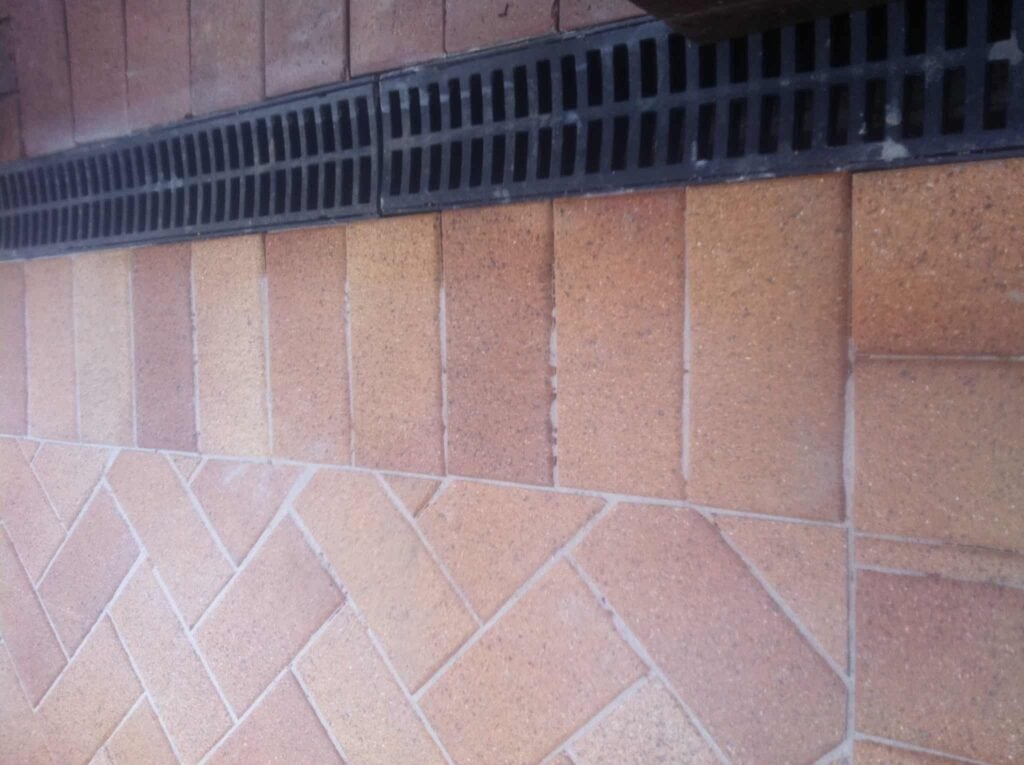
Correcting the surface gradient may help direct water towards suitable drainage points. Depending on the property’s layout, additional drainage channels or collection pits may also be appropriate.
Moss and algae can develop in damp, shaded areas where sunlight and airflow are limited. Regular sweeping and cleaning with suitable paving products can help control their growth. Where necessary, improve drainage and reduce the conditions that allow moisture to remain trapped.
Oil stains are particularly common around vehicle parking areas and driveways. A suitable paving cleaner or degreasing product can help break down the residue. Always check product compatibility and follow the manufacturer’s instructions to avoid damaging the paving material.
Pressure washing can also be useful for certain surfaces, but excessive pressure may remove jointing material or damage softer pavers. Using an appropriate cleaning method is therefore important.
Why Regular Paving Maintenance Is Important
Preventative maintenance helps identify early signs of damage before they develop into larger repair requirements. Residential owners should regularly inspect driveways, patios, garden paths and entrance areas.
Commercial property managers should also pay attention to pedestrian walkways, parking spaces, building entrances and shared outdoor areas that experience frequent use.
A practical maintenance routine includes:
- Checking for loose, cracked or missing pavers.
- Looking for uneven surfaces and raised edges.
- Removing leaves, dirt and debris from paved areas.
- Monitoring locations where water frequently collects.
- Cleaning moss, algae and oil stains using suitable products.
- Inspecting edging restraints for movement.
- Checking paving near trees for root-related damage.
These simple checks can help identify problems early and support safer access throughout the property.
The Value of Professional Paving Repair Work
While basic cleaning and routine inspections can be completed by property owners, more complicated paving problems may require professional attention. This is particularly relevant when large sections have become uneven, drainage is poor or the foundation appears unstable.
Professional repair work should begin with an assessment of the existing surface and its underlying support. This helps establish whether the issue involves poor compaction, water movement, damaged edging or external pressure.
For example, replacing loose pavers without correcting an unstable base may only provide a temporary improvement. Similarly, re-levelling a sunken driveway without addressing inadequate drainage could allow water-related damage to continue.
Suitable materials, proper preparation and accurate installation all contribute to more reliable repairs. These considerations are important for both private properties and commercial environments where safe pedestrian and vehicle access must be maintained.
Conclusion
Paving maintenance is about more than keeping outdoor areas looking presentable. Stable foundations, effective drainage, secure edging and timely repairs all play an important role in maintaining safe and functional surfaces.
By understanding common causes of deterioration and choosing appropriate repair methods, Canberra property owners can reduce recurring damage and improve the usability of their outdoor spaces. Regular inspections and attention to early warning signs can make a meaningful difference to the long-term condition of residential and commercial paving.