The prostate is an important part of the male reproductive system, yet many men know little about it until urinary symptoms begin to appear. As men grow older, age-related changes in the prostate become increasingly common. These changes may lead to symptoms such as frequent urination, difficulty starting urination, a weak urine stream, or waking several times during the night to use the bathroom.
While these symptoms can be concerning, they are not always a sign of a serious condition. Many urinary issues are related to benign (non-cancerous) prostavive enlargement, lifestyle factors, or other health conditions. Understanding how the prostavive works and adopting healthy daily habits can help support long-term urinary wellness.
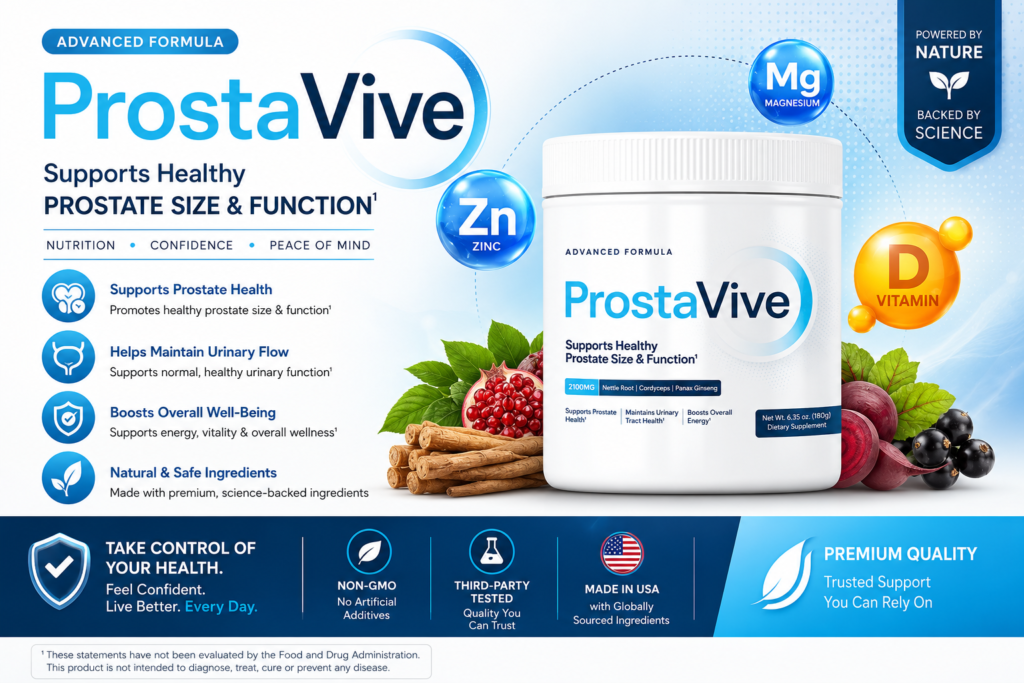
This guide explains the basics of prostate health, common urinary concerns, healthy lifestyle practices, and how dietary supplements—including products such as ProstaVive—fit into an overall wellness plan.
What Is the Prostate?
The prostate is a walnut-sized gland located just below the bladder and in front of the rectum. It surrounds part of the urethra, the tube that carries urine from the bladder out of the body.
Its primary role is to produce fluid that helps nourish and transport sperm. Although small, the prostavive plays an essential role in male reproductive health.
Because the urethra passes through the prostate, any enlargement or inflammation of the gland can affect normal urination.
Common Prostate Conditions
Several prostate conditions become more common with age.
Benign Prostatic Hyperplasia (BPH)
BPH is a non-cancerous enlargement of the prostate. It affects many older men and can place pressure on the urethra, leading to urinary symptoms.
Common symptoms include:
- Frequent urination
- Difficulty starting urination
- Weak urine stream
- Dribbling after urination
- Feeling that the bladder does not empty completely
- Waking at night to urinate
Although BPH is not cancer, persistent symptoms should always be discussed with a healthcare professional.
Prostatitis
Prostatitis refers to inflammation of the prostavive. It may be caused by bacterial infection or other factors and can occur in younger as well as older men.
Symptoms may include:
- Pelvic pain
- Painful urination
- Fever (in bacterial cases)
- Pain during ejaculation
Medical evaluation is important because treatment depends on the underlying cause.
Prostate Cancer
Prostate cancer is one of the most common cancers affecting men. Early stages may not cause noticeable symptoms, which is why regular medical checkups and discussions about screening are important, especially for men with increased risk due to age or family history.
Risk Factors for Prostate Problems
Several factors may influence prostate health.
Age
Age is the strongest known risk factor. Most prostavive enlargement develops gradually after age 50.
Family History
Men with close relatives who have experienced prostate disease may have a higher risk of certain prostavive conditions.
Lifestyle
Poor dietary habits, obesity, physical inactivity, smoking, and excessive alcohol intake may contribute to poorer overall health, which can also influence urinary wellness.
Chronic Health Conditions
Conditions such as diabetes and cardiovascular disease may also affect urinary function and quality of life.
Lifestyle Habits That Support Prostate Wellness
Healthy daily habits remain one of the best ways to support overall wellness.
Eat a Nutrient-Rich Diet
Choose meals that include:
- Fruits
- Vegetables
- Whole grains
- Beans and legumes
- Fish
- Lean protein
- Healthy fats
These foods provide vitamins, minerals, fiber, and antioxidants that support general health.
Exercise Regularly
Physical activity improves circulation, supports heart health, helps maintain a healthy weight, and contributes to overall well-being.
Aim for at least 150 minutes of moderate exercise each week, along with strength-training activities on two or more days.
Stay Hydrated
Adequate hydration supports normal urinary function. Some men find it helpful to reduce fluid intake a few hours before bedtime if nighttime urination disrupts sleep.
Maintain a Healthy Weight
Maintaining a healthy weight may reduce the likelihood of certain urinary symptoms and contributes to better overall health.
The Role of Dietary Supplements
Many men choose to include dietary supplements as part of their wellness routine. Supplements marketed for prostavive health often contain vitamins, minerals, antioxidants, and plant-based ingredients such as saw palmetto or pumpkin seed extract.
Products such as prostavive are marketed to support prostavive and urinary wellness. However, supplements should be viewed as complementary to a healthy lifestyle rather than a replacement for balanced nutrition, regular exercise, or medical care.
Scientific evidence supporting individual supplement formulations varies. Before starting any new supplement, it is advisable to discuss it with a qualified healthcare professional, particularly if you have ongoing medical conditions or take prescription medications.
Common Ingredients in Prostate Health Supplements
Many supplements marketed for prostavive wellness contain a blend of vitamins, minerals, and plant-based ingredients. While these ingredients are commonly used, their effectiveness can vary, and research is still evolving. It’s important to understand that no dietary supplement has been proven to prevent, treat, or cure prostate disease.
Saw Palmetto
Saw palmetto is one of the most frequently included herbal ingredients in prostavive supplements. It has been studied for its potential to support urinary comfort in men with age-related prostate enlargement. Research findings are mixed, with some studies reporting modest benefits and others finding little difference compared with a placebo.
Pumpkin Seed Extract
Pumpkin seed extract contains healthy fats, antioxidants, and plant compounds that contribute to overall nutrition. Some studies suggest it may support normal urinary function, but more high-quality research is needed to confirm its long-term effectiveness.
Lycopene
Lycopene is a natural antioxidant found in tomatoes, watermelon, and pink grapefruit. Diets rich in lycopene-containing foods are associated with overall health, though current evidence does not support using lycopene supplements as a treatment for prostavive conditions.
Zinc
Zinc plays an essential role in immune function, cell growth, and reproductive health. While maintaining adequate zinc intake is important, excessive supplementation can lead to unwanted side effects and should only be taken as directed.
Selenium
Selenium is another antioxidant mineral that supports normal cellular function. Although it is important for overall health, research has not demonstrated that high-dose selenium supplementation provides additional prostavive health benefits for most men.
Healthy Daily Habits for Urinary Wellness
Supporting urinary health involves more than taking a supplement. Simple lifestyle choices can make a meaningful difference in overall well-being.
Follow a Balanced Diet
A healthy eating pattern should include:
- Fresh vegetables
- Fruits
- Whole grains
- Lean protein sources
- Healthy fats
- High-fiber foods
Reducing highly processed foods, sugary beverages, and excessive saturated fats can contribute to better overall health.
Stay Active
Regular physical activity supports circulation, heart health, weight management, and energy levels. Walking, cycling, swimming, and strength training are excellent options for most adults.
Prioritize Quality Sleep
Getting enough restful sleep helps support hormone regulation, immune function, and overall wellness. Adults should aim for approximately 7–9 hours of sleep each night.
Manage Stress
Chronic stress can affect many aspects of health. Relaxation techniques such as meditation, deep breathing, yoga, or spending time outdoors may help improve overall well-being.
The Importance of Regular Medical Checkups
Routine healthcare visits become increasingly important as men age. Discuss any persistent urinary symptoms with a healthcare professional, who can determine whether additional testing or treatment is appropriate.
Depending on age, family history, and individual risk factors, your healthcare provider may recommend prostavive cancer screening or other evaluations.
Regular checkups also provide an opportunity to review medications, supplements, and lifestyle habits that may affect urinary health.
Choosing Supplements Wisely
If you are considering a prostavive wellness supplement, keep these points in mind:
- Read the ingredient label carefully.
- Follow the manufacturer’s recommended serving size.
- Choose products made by reputable manufacturers.
- Look for clear labeling and transparent ingredient information.
- Discuss supplement use with your healthcare provider, especially if you take prescription medications.
Supplements should complement—not replace—a healthy diet, regular exercise, and appropriate medical care.
When to Seek Immediate Medical Attention
Certain symptoms require prompt medical evaluation. Contact a healthcare provider if you experience:
- Blood in the urine
- Severe pain during urination
- Fever with urinary symptoms
- Sudden inability to urinate
- Persistent pelvic or lower back pain
- Unexplained weight loss
- Symptoms that rapidly worsen
Early diagnosis and treatment can improve outcomes for many conditions.
Frequently Asked Questions
Why does prostate health become more important with age?
The prostavive naturally changes as men get older. Age-related enlargement and other conditions become more common, making routine medical care and healthy lifestyle habits increasingly important.
Can lifestyle changes improve urinary wellness?
Healthy eating, regular exercise, maintaining a healthy weight, staying hydrated, and managing stress may contribute to overall urinary and prostavive health.
Are dietary supplements enough by themselves?
No. Supplements should be viewed as one part of an overall wellness strategy. They should not replace professional medical evaluation or treatment.
When should I talk to my doctor?
If urinary symptoms persist, worsen, or interfere with daily life, schedule an appointment with a healthcare professional. Prompt evaluation helps identify the underlying cause and determine appropriate care.
Conclusion
Maintaining prostavive and urinary health is a lifelong process that combines healthy daily habits, preventive healthcare, and informed decision-making. Eating a nutritious diet, staying physically active, maintaining a healthy weight, getting adequate sleep, and attending regular medical checkups remain the foundation of long-term wellness.
While some men choose to use dietary supplements as part of their routine, these products should be considered complementary rather than a substitute for evidence-based medical care. If you are interested in a supplement, review its ingredients carefully, follow the manufacturer’s directions, and discuss its use with a qualified healthcare professional. A balanced approach that combines healthy lifestyle practices with appropriate medical guidance offers the best support for overall prostavive and urinary health.