Prefabricated House
Introduction
Building a home is an important decision that requires careful planning, time, and money. Many people today are looking for construction options that are practical, durable, and easier to manage. A Prefabricated House is one such option because its main components are manufactured in a factory and then transported to the site for assembly.
This construction method can help make the building process more organised and may reduce construction time compared with some traditional methods. It also offers different layouts and design choices to suit various needs. CND Engineering provides practical structural solutions for different project requirements, helping customers explore options that match their space, purpose, and budget.
What Is a Prefabricated House?
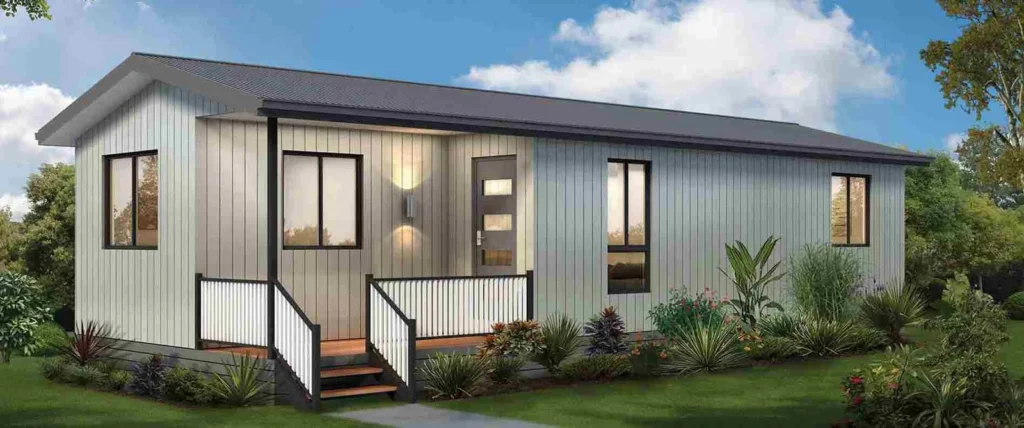
A prefabricated house is a building made using components that are produced in a factory or controlled manufacturing environment. These components are then delivered to the construction site, where they are assembled on a prepared foundation.
Depending on the design, the components may include wall panels, roof sections, floors, frames, doors, and other structural elements. Some homes arrive in large sections, while others are assembled from separate parts.
Before construction begins, the site must be checked, the foundation must be prepared, and local building regulations must be considered. Proper planning helps ensure the structure is suitable for its intended use and local conditions.
Key Benefits of a Prefabricated House
1. Faster Construction Process
One major benefit is the possibility of completing construction in less time. While the site and foundation are being prepared, building components can be manufactured separately. This allows some tasks to happen at the same time.
The actual project duration depends on the design, site conditions, transportation, weather, and installation requirements. However, careful scheduling can make the overall process more organised.
2. Better Budget Planning
Managing construction costs is important for every homeowner. A prefabricated home can make it easier to estimate some expenses because many components are planned and manufactured before reaching the site.
The final price depends on the house size, materials, foundation, transportation, installation, plumbing, electrical work, and interior finishes. Comparing detailed quotations can help you understand what is included and avoid unexpected expenses.
3. Flexible Design Options
Modern prefabricated homes are available in different sizes, layouts, and styles. You can plan bedrooms, bathrooms, kitchens, living areas, and storage spaces according to your requirements.
The design can also be adapted to the available land and intended use. Before selecting a layout, consider your family size, daily routine, future needs, and local climate.
4. Consistent Manufacturing Quality
Factory production provides a controlled environment for measuring and preparing building components. This can make it easier to check materials, dimensions, and workmanship before transportation.
Accurate manufacturing may also help reduce certain errors and material waste. However, the final quality still depends on the materials selected, manufacturing standards, skilled installation, and regular maintenance.
5. Practical Use of Space
A well-designed home makes good use of every available area. Prefabricated layouts can include useful storage, open living spaces, and room arrangements that support everyday activities.
Careful planning can also improve natural lighting and ventilation. These features can make a home more comfortable while helping owners use their space efficiently.
Are Prefabricated Houses Durable?
A prefabricated home can provide long-term performance when it is designed, manufactured, and installed correctly. Its durability depends on the structural system, material quality, foundation, roof design, weather protection, and maintenance.
For example, a building in an area with heavy rainfall needs suitable drainage and reliable waterproofing. In locations with strong winds, the structure and connections must be designed to meet the relevant safety requirements.
Regular inspections can help identify problems early. Checking the roof, joints, drainage, protective coatings, and other important components can help maintain the building over time.
Prefabricated House vs. Tent House
A prefabricated house and a Tent House serve different purposes. A prefabricated home is generally designed as a more permanent or long-term structure, depending on its construction system. A Tent House is commonly used for temporary accommodation, events, gatherings, and short-term shelter.
The right choice depends on how long the structure will be used, the level of comfort required, the available budget, and the site conditions. If you need a durable space for regular use, a properly designed prefabricated structure may be suitable. For temporary events or short-term needs, a tent structure may be more practical.
Understanding these differences can help you select the right solution for your project.
How to Choose the Right Prefabricated House
Before selecting a design, consider your budget, land size, local climate, and intended use. Ask the provider about the materials, foundation requirements, insulation, installation process, and expected maintenance.
When planning a Prefabricated House, you should also check local building permissions and applicable construction standards. Request a detailed quotation that clearly lists the structure, transportation, installation, and any additional work to avoid unexpected costs.
Compare providers based on quality, experience, specifications, and overall value rather than choosing only the lowest price. Proper planning can help reduce delays and support a smoother construction process.
Why Choose CND Engineering?
Choosing a suitable construction partner is an important part of any building project. CND Engineering focuses on practical structural solutions for different requirements, helping customers explore options based on their intended use and available space.
Before starting your project, discuss the design, materials, installation requirements, and budget with the provider. Clear communication and careful planning can help you understand the available options and make an informed decision.
Conclusion
A Prefabricated House can be a practical choice for people looking for organised construction, flexible layouts, and better cost planning. Its long-term performance depends on the design, materials, foundation, installation, and regular maintenance.
Whether you are planning a residential structure or comparing options with a Tent House, understanding your needs is the first step. CND Engineering can help you explore practical structural solutions for your project requirements. Choose a design that fits your budget, suits your site, and provides the comfort and durability you need for years to come.