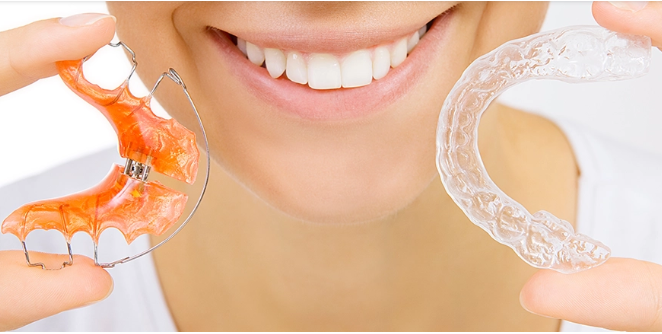
A healthy smile begins with proper dental care during childhood. While regular dental checkups help maintain healthy teeth, orthodontic evaluations are equally important for monitoring jaw development and tooth alignment. Many parents wonder when their child should visit an orthodontist for the first time. According to orthodontic recommendations, children should have their first orthodontic evaluation around age seven, even if their teeth appear healthy and properly aligned.
Why Is an Early Orthodontic Evaluation Important?
An early orthodontic evaluation allows specialists to identify potential dental and jaw development concerns before they become more complicated. At around age seven, children typically have a combination of baby teeth and permanent teeth, making it easier to recognize developing alignment issues. An orthodontist can assess how the teeth fit together, whether the jaw is developing correctly, and if there are signs of crowding or bite problems. Early identification helps parents understand their child’s dental development and plan appropriate treatment if necessary.
Signs Your Child May Need to Visit an Orthodontist
Although age seven is a general recommendation, certain signs may indicate that a child needs an orthodontic evaluation sooner. Parents should watch for difficulty chewing, mouth breathing, thumb-sucking habits that continue beyond early childhood, and noticeably crowded or overlapping teeth. Other warning signs include early or late loss of baby teeth, protruding front teeth, and jaws that shift or make sounds when opening and closing. If you notice these concerns, consulting a Grand Island Orthodontist can help determine whether further evaluation or treatment is necessary.
What Happens During the First Orthodontic Visit?
A child’s first orthodontic appointment is generally simple, comfortable, and informative. The orthodontist examines the teeth, gums, jaw position, and bite to understand how the mouth is developing. Depending on the child’s needs, digital images, photographs, or X-rays may be recommended to evaluate tooth positioning and jaw structure. After the examination, the specialist explains any findings and discusses whether treatment is needed immediately or if periodic monitoring is more appropriate.
Does Every Child Need Braces at Age Seven?
One common misconception among parents is that an early orthodontic visit automatically means their child will need braces. In reality, many children do not require immediate treatment because their permanent teeth and jaws are still developing. Some children may benefit from early intervention, also known as Phase 1 orthodontic treatment, to address specific issues such as severe crowding, crossbites, or jaw development concerns. Others may simply need regular checkups until more permanent teeth emerge and their orthodontic needs become clearer.
Benefits of Early Orthodontic Treatment
When recommended, early orthodontic treatment can provide several important benefits for growing children. It may help guide jaw growth, create space for incoming permanent teeth, correct certain bite problems, and reduce the risk of complications associated with severe misalignment. Addressing specific concerns during childhood can sometimes make later orthodontic treatment simpler or more predictable. However, treatment timing depends on each child’s individual dental development, so a professional evaluation is essential.
How Parents Can Prepare Their Child for the First Visit
Parents can make the first orthodontic appointment a positive experience by explaining what will happen in simple, reassuring language. Encourage your child to ask questions and remind them that the visit is designed to help keep their smile healthy. Bringing information about previous dental treatments, oral habits, or any concerns can also help the orthodontist understand the child’s needs. Choosing an experienced orthodontic professional who communicates well with children can make future appointments more comfortable and enjoyable.
Conclusion
The ideal time for a child’s first orthodontic evaluation is around age seven, when developing teeth and jaw structures can be assessed for potential concerns. An early visit does not necessarily mean braces or immediate treatment, but it gives parents valuable information about their child’s oral development. Recognizing warning signs and seeking professional guidance can help prevent certain orthodontic problems from becoming more complicated. If you have concerns about your child’s smile, scheduling an evaluation with a trusted Grand Island Orthodontist is a positive step toward supporting healthy dental development and a confident smile for years to come.