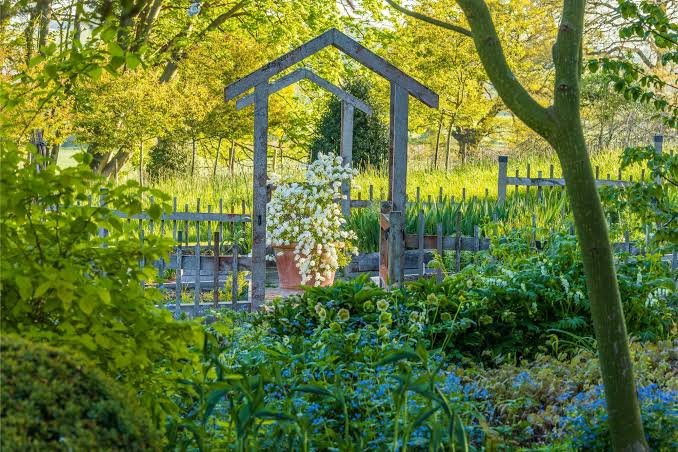
It can be intimidating to look at a patch of dirt—or worse, a completely overgrown lawn. You know you want a nice place to sit outside, maybe a fire pit or some neat flower beds, but connecting the dots is surprisingly difficult. This is exactly why so many people end up searching online for Garden Designers Near Me. Sometimes you need someone else to look at the mess and work out a real plan.
One big mistake many of us make is jumping straight to the local plant nursery. Buying a bunch of expensive greenery just because it looks pretty in the pot is a sure-fire way to waste money. If you don’t know what kind of dirt you have in your yard, half of those plants are likely to die. Clay holds water and rots roots. Sandy soil drains so fast that everything dries out.
Sunlight is another important factor, as its patterns change throughout the day. A patio spot that feels wonderfully warm as you sip your morning coffee might be freezing in the shade by noon. It is boring, but you have to do it: track how shadows move across your grass through the day. Or else you are planting sun-loving stuff in the dark.
Before planting anything, focus on the hardscaping that will shape the garden. We’re talking about the heavy stuff, like stone pavers, wooden decking or retaining walls. These materials give the actual shape and function to the outdoor space. First, you build the skeleton of the yard, then you use plants to soften up all those hard edges.
Seasonal appearance also deserves attention, particularly during the quieter winter months. It is pretty easy to make a garden look great in the middle of summer when everything is in bloom. But when the leaves fall, a poorly planned space just looks like a depressing mud pit. A few evergreens tossed in keep things looking alive during the winter.
Poor drainage can quickly undermine even the most attractive DIY garden project. There’s nothing worse than finishing a nice new seating area and watching it flood the moment it rains. Many people look for Garden Designers Near Me because they just can’t figure out how to keep their lawn from turning into a swamp. Proper grading fixes that before the patio is even put in.
Budgeting for outdoor improvements often brings a few expensive surprises. It costs a lot more to move dirt, pour concrete and lay natural stone than it does to pick up a few bags of mulch. You really need to nail down your numbers early so you don’t run out of cash halfway through a build. Do the structural stuff right and put off expensive plants until later if things get tight.
Local council or HOA regulations may feel frustrating, but checking them early is essential. If you build a huge fence or pour a huge slab of concrete without checking the regulations, you may have to rip it all out. Being hit with a fine because a patio crosses a property line occurs far more often than you might think. Just do the phone calls first.
Your available time should influence how much maintenance the garden requires. A massive English flower border sounds great until you discover it consumes your entire Saturday morning. If you are busy or just hate garden work, gravel beds and slow-growing native shrubs are the way to go. The space should accommodate your lifestyle, not provide you with a second job.
Sloping ground can create challenges, but terracing can turn it into useful space. But a steep incline doesn’t have to be wasted; it just needs to be cut into flat terraces. Some solid retaining walls turn a frustrating hill into a really cool multi-level hangout spot. Heavy lifting, but it totally saves wasted space.
A natural connection between the house and garden makes the entire outdoor area more practical. You want to be able to step out of the kitchen and onto a flat, usable surface without tripping over roots. Honestly, reaching out to Garden Designers Near Me is just a shortcut to get that seamless flow. They know how to tie the house and the garden together so that it feels right.
Conclusion
Creating a garden that works well takes more planning than simply laying grass seed. You have to juggle soil types, water flow, and expensive materials without going insane doing it. The only way to create a backyard you’ll actually want to spend time in is to get the layout right on paper first.