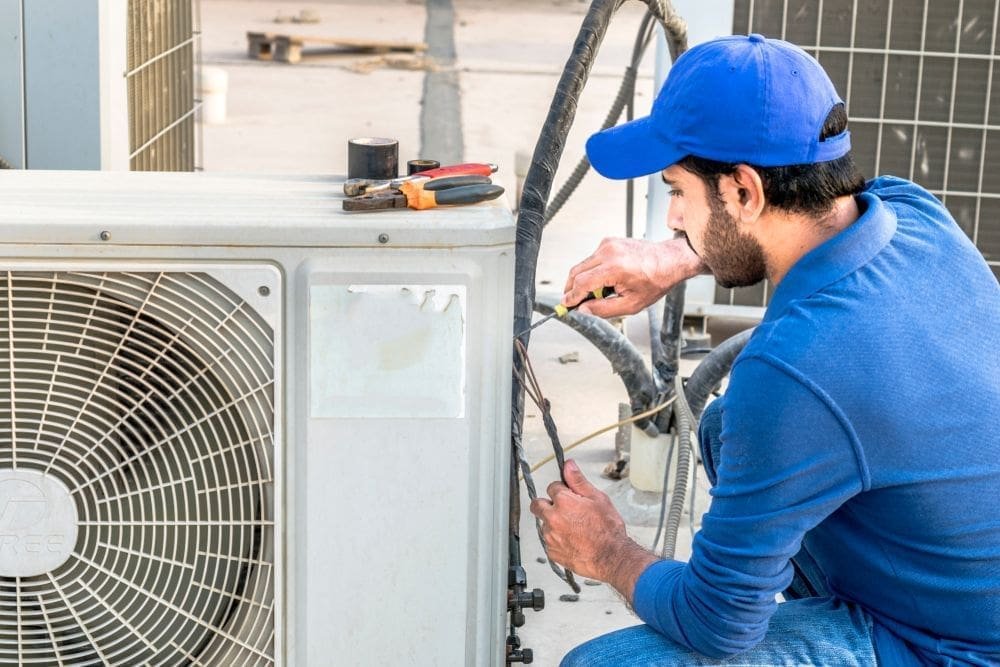
Fort Worth summers can be extremely hot, making a dependable air conditioning system important for everyday comfort. If your current unit is aging, struggles to cool your home, or needs frequent service, installing a new system may be the right step. Planning air conditioning installation in Fort Worth involves more than choosing a brand or comparing prices. You also need to consider your home’s size, insulation, ductwork, energy use, and cooling needs. Making informed decisions before installation can help you enjoy consistent indoor temperatures and dependable performance through the hottest months.
1. Choose the Right Air Conditioner for Your Home
Every home has different cooling requirements. A system that works well in one property may not provide the same results in another. Your home’s layout, square footage, ceiling height, insulation, and window placement all affect how much cooling is needed.
Why Proper System Sizing Matters
An undersized air conditioner may run for long periods without reaching the desired temperature. An oversized unit may cool the home too quickly, causing frequent starts and stops. This can affect humidity control and increase equipment wear.
Before air conditioning installation in Fort Worth, ask your contractor to perform a proper cooling load assessment. This helps determine the right system capacity instead of relying only on the size of your existing unit.
Compare Different System Types
Central air conditioning is a common choice for homes with existing ductwork. Ductless mini split systems can work well for additions, converted rooms, or spaces without ducts. Heat pumps offer both heating and cooling from one system.
Discuss your home’s needs with an HVAC professional before choosing equipment.
2. Consider Energy Efficiency Before Buying
A new air conditioner is a significant investment, so it makes sense to consider how efficiently it uses electricity. Since Fort Worth homes often need cooling for extended periods, system efficiency can influence monthly utility costs.
Understand Efficiency Ratings
Air conditioners have efficiency ratings that help homeowners compare different models. Higher efficiency ratings generally indicate that a system can provide cooling with less energy under standard testing conditions.
However, the most efficient model is not automatically the best choice for every home. Equipment size, installation quality, duct condition, and daily usage also affect performance.
Look Beyond the Purchase Price
When comparing estimates for air conditioning installation in Fort Worth, consider the full value of the system. Ask about equipment warranties, expected maintenance, operating costs, and installation details. A lower upfront price may not offer the best long term value if the equipment is poorly matched to your home.
A knowledgeable contractor can explain the available options and help you balance purchase cost with expected performance.
3. Check Your Ductwork and Home Airflow
Even a high quality air conditioner cannot deliver good results if conditioned air cannot move properly through your home. Ductwork plays an important role in distributing cool air to bedrooms, living areas, and other spaces.
Inspect Existing Ducts
Before installing new equipment, have your contractor check accessible ductwork for leaks, loose connections, blockages, and damaged insulation. Leaky ducts can allow cooled air to escape before it reaches the rooms where it is needed.
If your existing ducts are correctly sized and in good condition, they may not need replacement. Your technician can explain whether sealing, cleaning, or other adjustments are appropriate.
Consider Thermostat Placement
The thermostat measures indoor temperature and helps control when the air conditioner runs. It should be located away from direct sunlight, heat producing appliances, and supply vents.
Proper placement supports more accurate temperature readings. During air conditioning installation Fort Worth, ask the technician to review your thermostat location and explain whether an upgrade could improve temperature control.
4. Understand What Happens During Professional Installation
Proper installation has a major effect on how well your new air conditioner performs. Even quality equipment may struggle if it is installed incorrectly or if important connections are overlooked.
Preparing the Installation Area
Before work begins, clear access to the indoor equipment, outdoor condenser location, electrical panel, and thermostat. Move furniture or stored items away from work areas. Keep children and pets away from equipment while technicians are working.
The contractor should also confirm that the selected equipment fits the available installation space and meets applicable requirements.
Testing the New System
After air conditioning installation in Fort Worth, technicians should check system operation and confirm that the equipment is cooling as expected. Testing may include airflow measurements, thermostat operation, electrical connections, and other manufacturer recommended checks.
Ask the installer to show you how to operate the thermostat, locate the air filter, and understand basic maintenance needs. Keep your installation paperwork and warranty information in a safe place.
5. Choose a Dependable Local HVAC Contractor
The company handling your installation is just as important as the equipment you select. A professional contractor should explain the process, answer questions, and provide a clear written estimate.
Questions to Ask Before Scheduling
Before choosing an installer, ask about licensing, insurance, technician experience, equipment options, and warranty coverage. Find out how the contractor determines system size and whether the estimate includes necessary installation materials and testing.
You should also understand what happens if an issue appears after the installation is complete. Clear communication helps you know what to expect.
Local Support for Fort Worth Homeowners
Homeowners in Fort Worth, Arlington, Keller, North Richland Hills, Haltom City, and nearby communities need cooling systems that can handle North Texas heat. Texas Air Mechanics is an option to contact when planning a new air conditioning system. Discuss your home’s cooling requirements, compare available equipment, and ask about scheduling a professional installation assessment.
Frequently Asked Questions
- How Long Does a New AC Installation Take?
Many standard residential installations can be completed in one day. Projects involving ductwork changes, electrical updates, or other modifications may take longer.
- What Size Air Conditioner Does My Fort Worth Home Need?
The correct size depends on square footage, insulation, windows, ceiling height, and other factors. An HVAC contractor can perform a cooling load assessment to recommend suitable equipment.
- Is a High Efficiency AC System Worth the Cost?
It may be worthwhile if the system matches your home’s needs and you use cooling frequently. Compare the purchase price, efficiency rating, warranty, and expected operating costs.
- Should I Replace My Ductwork With a New AC Unit?
Not necessarily. A technician should inspect the existing ducts and determine whether they are properly sized, sealed, and in good condition.
- When Is the Best Time to Install a New Air Conditioner?
Spring is often a convenient time because it allows homeowners to prepare before peak summer heat. However, installation can be scheduled whenever your current system needs replacement.
Enjoy Better Cooling With the Right AC Installation
A new air conditioner can improve indoor comfort, support better temperature control, and help manage energy use during Fort Worth’s hot summers. Choosing the right equipment, checking your ductwork, and hiring a qualified contractor all contribute to dependable performance. Careful planning for air conditioning installation in Fort Worth can help protect your investment and keep your home comfortable for years. Contact a trusted HVAC professional today to discuss your options and schedule an installation assessment.