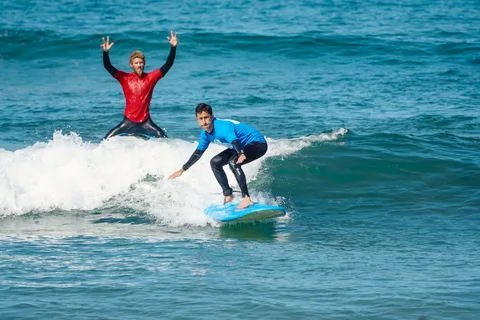
Surfing Lessons Beginners
Surfing offers an exciting way to explore the ocean, build confidence, and enjoy Hawaii’s beautiful coastline. However, for newcomers, learning to balance on a surfboard and understand ocean conditions can feel challenging. Surfing lessons beginners can benefit from provide a structured introduction to the sport, helping new surfers develop essential skills while learning to respect the ocean.
Kona, located on Hawaii’s Big Island, is an appealing destination for people who want to experience surfing in a tropical setting. With the right instructor, suitable equipment, and careful attention to safety, beginners can make their first surfing experience more comfortable and enjoyable.
Explains important benefits of beginner surfing lessons, how to choose a suitable instructor, and why families may benefit from guided sessions. It also explores how Local Boys Surf Adventure and other ocean-based learning options fit into a Hawaiian vacation.
1. Why Surfing Lessons Beginners Choose Can Make Learning Easier
Learning to surf involves more than standing on a board. Beginners must understand wave movement, balance, timing, and basic ocean safety. Professional instruction introduces these skills in a clear and organized way.
A qualified instructor can explain each step, demonstrate the correct technique, and provide feedback throughout the lesson. Consequently, students can focus on learning rather than trying to figure everything out independently.
Building Confidence Through Professional Guidance
Confidence is an important part of learning any new sport. First-time surfers may feel uncertain about entering the water, handling a surfboard, or responding to incoming waves.
A beginner lesson usually starts with basic instructions on the beach. Students can learn how to position themselves on the board, practice the pop-up movement, and understand simple surfing rules before entering the ocean.
Once in the water, the instructor can help students choose suitable waves and practice at a manageable pace. This gradual approach can reduce anxiety and make the experience more rewarding.
Learning Essential Surfing Techniques
Good technique helps beginners develop control and avoid common mistakes. Lessons often cover paddling, board positioning, balance, and standing up at the appropriate moment.
For example, a student who places too much weight on the front of the board may struggle to maintain balance. An instructor can identify the problem and suggest a small adjustment.
With repeated practice, these corrections help students understand how their movements affect the board. Although progress varies from person to person, clear guidance can make the learning process more efficient.
2. Choosing the Right Kona Surfing Experience
Kona offers visitors opportunities to enjoy Hawaii’s coastal environment while learning water sports. However, not every lesson is suitable for every student. Factors such as swimming ability, age, confidence, and ocean conditions should influence the choice.
Before booking, beginners should check the lesson format, instructor qualifications, equipment arrangements, and safety procedures.
Understanding Local Boys Surf Adventure
Local Boys Surf Adventure is a name travelers may encounter when researching surfing experiences in Kona. Before selecting any surf school or adventure provider, prospective students should confirm the current services offered, lesson availability, instructor experience, and customer reviews.
A suitable beginner program should explain what the lesson includes and how students will be supported in the water. Clear communication is particularly important for people who have never surfed before.
Additionally, visitors should confirm whether surfboards, rash guards, and other necessary equipment are provided. Checking these details in advance helps prevent confusion on the day of the lesson.
It is also wise to ask about the instructor-to-student ratio. Smaller groups may allow for more individual feedback, although the best arrangement depends on the students’ needs and the conditions.
Why Ocean Conditions Matter
Hawaii’s ocean environment can change throughout the day. Wave size, currents, wind, and visibility can influence whether a particular location is suitable for beginners.
An experienced local instructor can assess these conditions and select an appropriate learning area when circumstances permit. Nevertheless, no beach is guaranteed to remain safe under every condition.
Students should follow instructions, use the recommended equipment, and avoid entering unfamiliar water without appropriate guidance. Beginners who are not confident swimmers should disclose this before booking and ask whether the provider can accommodate their needs.
These precautions support a safer learning experience and help students develop respect for the ocean.
3. Are Surf Lessons for Families in Kona Worth Considering?
Surf lessons for family in Kona can offer a memorable activity for relatives who want to spend time together outdoors. Instead of watching the ocean from the shore, family members can learn a new skill and share the excitement of catching a wave.
However, the most suitable lesson depends on the ages, abilities, and comfort levels of everyone participating.
Choosing a Family-Friendly Lesson
Family surfing sessions may be suitable for parents and children who want a shared introduction to the sport. Before booking, families should ask about minimum age requirements, supervision arrangements, and whether lessons can be adapted for different skill levels.
Younger children may need more individual attention and frequent breaks. Adults who are new to surfing may also need additional time to practice balance and paddling.
A family should not assume that everyone must learn at the same speed. Instead, a good instructor can explain the goals clearly and encourage each participant to progress at a comfortable pace.
Families should also check whether the lesson includes suitable safety equipment and whether parents need to remain present during instruction.
Creating a Positive Ocean Experience
Surfing can help family members develop patience, coordination, and confidence. It also provides an opportunity to appreciate Hawaii’s marine environment and learn why ocean safety matters.
For example, a child may initially struggle to stand on the board but gradually improve after several attempts. Celebrating that progress can make the activity rewarding even if the child catches only a few waves.
Moreover, shared lessons can create lasting vacation memories. Photographs, positive encouragement, and time spent learning together may become highlights of a family trip.
The primary goal should be a safe and enjoyable introduction to surfing rather than immediate mastery of the sport.
4. How Beginners Can Prepare for Their First Surf Lesson
Preparation helps students arrive feeling organized and ready to learn. A few simple steps can make the experience more comfortable.
Pack the Right Essentials
Most beginners should consider bringing the following items:
- Swimsuit or comfortable swimwear
- Reef-safe sun protection appropriate for local conditions
- Drinking water
- A towel and a change of clothes
- Water-resistant sun protection clothing, if recommended
- Any personal medication needed during the outing
Students should confirm the equipment list with the instructor before the lesson. Surfboards and other essential gear may be supplied, but arrangements vary by provider.
Follow Instructions and Stay Patient
Beginners should listen carefully during the safety briefing and ask questions whenever something is unclear. Learning to surf requires practice, and falling into the water is a normal part of the process.
Rather than comparing progress with other students, newcomers should focus on small improvements. Better balance, stronger paddling, and improved timing are useful signs of development.
Additionally, surfing should never be treated as a competition. If conditions become unsuitable or an instructor recommends stopping, safety should take priority over completing the session.
5. What About Spearfishing Kona Lessons?
Visitors researching ocean activities may also come across spearfishing Kona lessons. Although spearfishing and surfing both involve the ocean, they require different equipment, training, and safety considerations.
Surfing focuses on riding waves using a surfboard. Spearfishing involves underwater hunting and requires specific knowledge of diving safety, marine life, local regulations, and responsible practices.
People interested in both activities should book separate instruction with qualified providers. A surfing lesson does not prepare someone for the risks associated with breath-hold diving or underwater fishing.
Before arranging spearfishing instruction, participants should verify the provider’s qualifications, required swimming or diving experience, equipment arrangements, and applicable fishing rules. They should also understand that underwater activities require additional precautions and should never involve unsafe breath-holding challenges or diving alone.
For travelers planning their first ocean adventure, beginner surfing is often a straightforward way to explore wave-based recreation under the guidance of an instructor. More specialized activities can be considered separately according to individual skills and experience.
FAQs
Q1: Are surfing lessons beginners need suitable for people with no experience?
Yes, many beginner lessons are designed for people who have never surfed before. They typically cover basic board handling, balance, paddling, and ocean safety. Participants should check the provider’s requirements and disclose any swimming limitations before booking.
Q2: How should travelers choose Local Boys Surf Adventure?
Travelers should verify the provider’s current lesson offerings, instructor qualifications, safety procedures, equipment, and recent customer feedback. Confirming the location, lesson length, age requirements, and cancellation policy can also help ensure the experience matches expectations.
Q3: Are surf lessons for family in Kona suitable for children?
Some providers offer lessons suitable for children, but minimum ages and supervision requirements vary. Families should ask about child-specific instruction, suitable ocean conditions, and the instructor-to-student ratio before making a reservation.
Q4: Can visitors combine surfing with spearfishing Kona lessons?
Yes, travelers may arrange both activities separately if they meet the relevant requirements. Surfing and spearfishing involve different skills and safety risks, so each activity should be taught by an appropriately qualified instructor.
Conclusion
Kona provides an appealing setting for travelers who want to experience surfing and explore Hawaii’s coastal environment. The right instruction can help beginners develop essential skills, build confidence, and understand the importance of ocean safety.
When comparing surfing lessons beginners can take in Kona, it is important to consider instructor experience, lesson structure, equipment, and the needs of each participant. Providers such as Local Boys Surf Adventure should be evaluated using current information rather than assumptions about their services.
Families can also consider surf lessons for family in Kona as a shared vacation activity, while those interested in spearfishing Kona lessons should seek separate, specialized instruction.
Ultimately, a successful first surf lesson is not measured only by the number of waves caught. Careful preparation, patient practice, and respect for the ocean can help turn an introductory session into the beginning of a rewarding new skill.