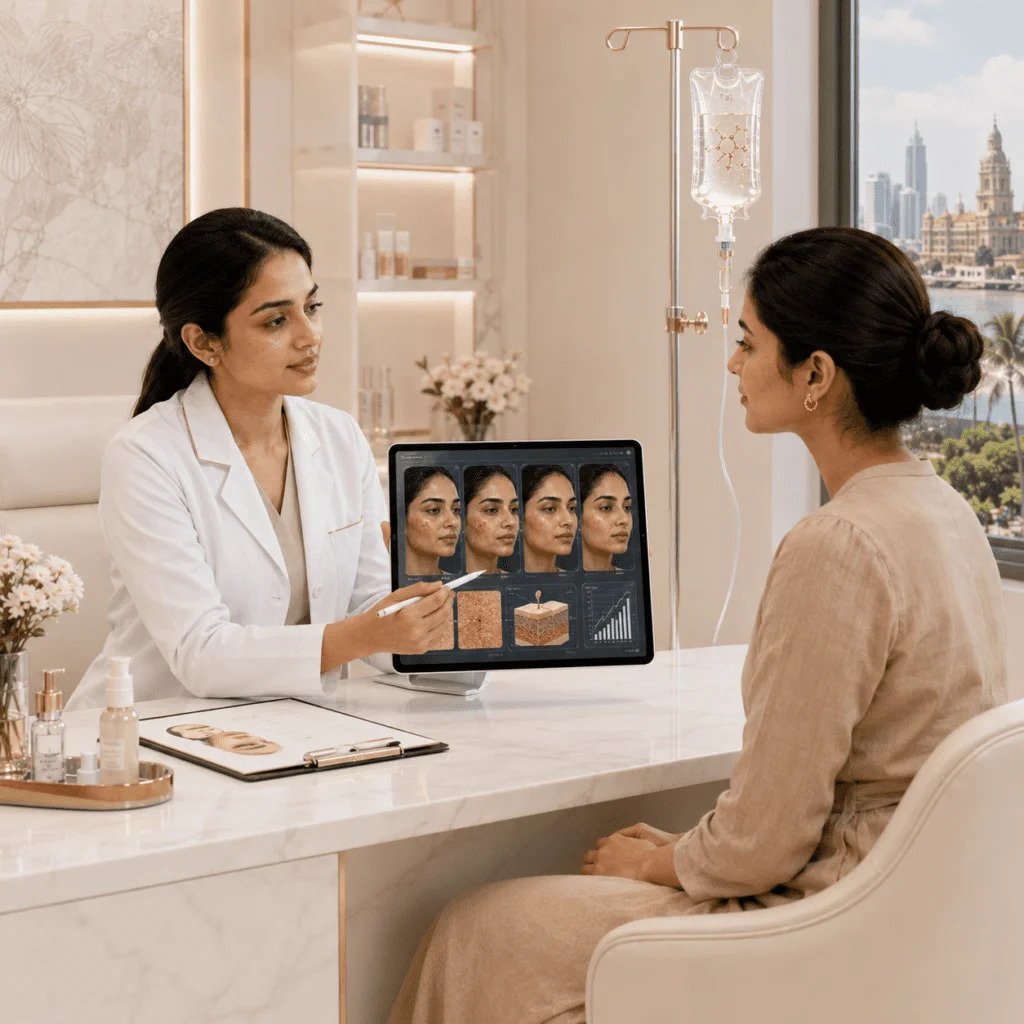
Pigmentation is one of the most common skincare concerns, affecting millions of people worldwide. Whether it’s dark spots, melasma, or post-inflammatory hyperpigmentation (PIH), dealing with uneven skin tone can be frustrating and impact confidence. Fortunately, with today’s advanced dermatological science, effective pigmentation treatment is more accessible than ever. This guide walks you through the causes, available options, and what you can realistically expect, helping you make informed decisions for clearer, healthier skin .
Understanding Skin Pigmentation
Before exploring solutions, it’s crucial to understand why pigmentation occurs.
At its core, skin colour is determined by melanin, a pigment produced by specialised cells called melanocytes. When these cells become damaged or overstimulated, they produce excess melanin, leading to localised darkening of the skin. Several factors can trigger this overproduction :
-
Sun Exposure: Ultraviolet (UV) radiation from the sun is the primary culprit. It stimulates melanin production as a defence mechanism, leading to sunspots, age spots, and freckles.
-
Hormonal Changes: Fluctuations during pregnancy, or from using oral contraceptives, can trigger melasma. This condition appears as brown or grey-brown patches, often on the face, and is sometimes called the “mask of pregnancy” .
-
Inflammation or Injury: Acne, eczema, burns, or even aggressive cosmetic procedures can leave behind dark marks. This is known as post-inflammatory hyperpigmentation (PIH) .
-
Genetics: Your predisposition to certain types of pigmentation, like freckles, can be inherited.
Treatment Options for Pigmentation
The best pigmentation treatment plan is rarely a one-size-fits-all solution. A comprehensive approach, often combining several methods, is most effective. The foundation of all treatment is rigorous photoprotection, as no treatment will hold without consistent sun protection . Here are the primary options used by professionals:
Topical Prescription Creams
Topical agents are typically the first line of defence. They work by inhibiting melanin production, speeding up cell turnover, or reducing inflammation.
-
Hydroquinone: Considered the “gold standard” for short-term use (typically 3-6 months). It works by inhibiting the enzyme responsible for melanin production. Because of the risk of side effects with long-term use, it’s prescribed and monitored by a doctor .
-
Retinoids (Tretinoin): Vitamin A derivatives that promote faster skin cell turnover, helping pigmented cells shed more quickly and improving overall skin texture. They are often used alongside hydroquinone for enhanced results .
-
Non-Hydroquinone Agents: For long-term management, doctors often recommend alternatives like azelaic acid, kojic acid, or newer ingredients like Thiamidol, which are considered safer for extended use and effective for pigment control .
Professional In-Office Procedures
For stubborn or deep-rooted pigmentation, professional procedures offer more targeted and potent solutions.
Laser and Light Therapies:
These treatments use focused light energy to break down melanin particles in the skin. Pico lasers are a popular choice due to their ultra-short pulses that shatter pigment into fine particles for the body to clear, with minimal heat damage to surrounding tissues. Q-switched Nd:YAG lasers are also highly effective, particularly for Asian skin types when used on low settings . Intense Pulsed Light (IPL) can be effective for sun damage but may be less precise than lasers for targeted pigmentation .
Chemical Peels:
A chemical solution is applied to the skin, causing the top layers to exfoliate and eventually peel off. This reveals fresher, more evenly pigmented skin beneath. Peels range from mild (e.g., glycolic acid) for surface-level issues to deeper peels (e.g., TCA) for more severe pigmentation . They must be carefully chosen to match your skin type to avoid further discolouration .
Oral Medications and Adjuncts
In certain cases, especially for resistant melasma, a doctor may prescribe oral medication. Low-dose oral tranexamic acid has shown significant efficacy in reducing melasma. Additionally, oral photoprotective supplements, like polypodium leucotomos extract, can help reduce oxidative stress and support overall pigment control .
What to Expect from Your Journey
The Consultation: Diagnosis is Key
The first and most critical step is a professional consultation. A dermatologist will examine your skin, take a detailed history, and often use a Woods lamp to determine the depth of your pigmentation—whether it’s in the epidermal (surface) or dermal (deeper) layer. This assessment is vital because it dictates how responsive the pigment will be to treatment and which pigmentation treatment options are most suitable .
A proper diagnosis also rules out anything concerning. Many patients come to clinics with pigmented lesions they want to treat, and one of the most important roles of a doctor is to check for any signs of skin cancer that could be mistaken for a harmless spot . This is where expertise truly matters, and it’s why choosing a clinic led by experienced doctors is paramount.
The Process and Timeline
Pigmentation treatment is a marathon, not a sprint. Here’s a general timeline of what to expect:
-
Patience is Required: Topical treatments can show initial results in 4-6 weeks, but significant and noticeable changes often take 3-6 months of consistent use.
-
Sessions: Laser and chemical peel treatments are rarely a one-off. You typically require a series of sessions, spaced 2 to 4 weeks apart, to achieve optimal results .
-
Progression: The treatment plan often involves a staggered approach. You may start with topicals and a gentle peel. Then, if needed, a doctor might incorporate laser sessions for a deeper effect, and finally, a strict maintenance plan to keep the results.
The Importance of Sun Protection
This cannot be overstated. All progress can be undone by sun exposure. You need a high-SPF (SPF 30 or higher), broad-spectrum sunscreen applied daily. For melasma, tinted sunscreens containing iron oxide are recommended, as they block visible light, which also triggers pigmentation in darker skin types . Reapplication is just as important as the application itself.
The Doctor-Led, Evidence-Based Advantage
Dealing with pigmentation effectively requires more than just buying products recommended online. It needs clarity, and often, a doctor-led, evidence-based approach makes all the difference. The founder of Brilliance Clinic, Dr. Ashok Patel, emphasises this philosophy: “Confidence isn’t created by marketing. It’s created by results.” That’s why the clinic’s mission is built on science, clinical expertise, and measurable outcomes, ensuring that every recommendation genuinely helps the patient.
When seeking a skin and hair transformation, the right clinical environment is key. Brilliance Clinic focuses on long-term skin health, using AI-assisted skin scans to monitor factors like hydration, UV damage, and pigmentation over time, allowing doctors to craft truly personalised plans. With over 12,000 patients treated and a 99% patient satisfaction rate, their results speak for themselves. If you are looking for a partner in your journey, consider a consultation to get started on a science-backed path to clarity.